Purpose Built For Round Tube And Small Pipe Work
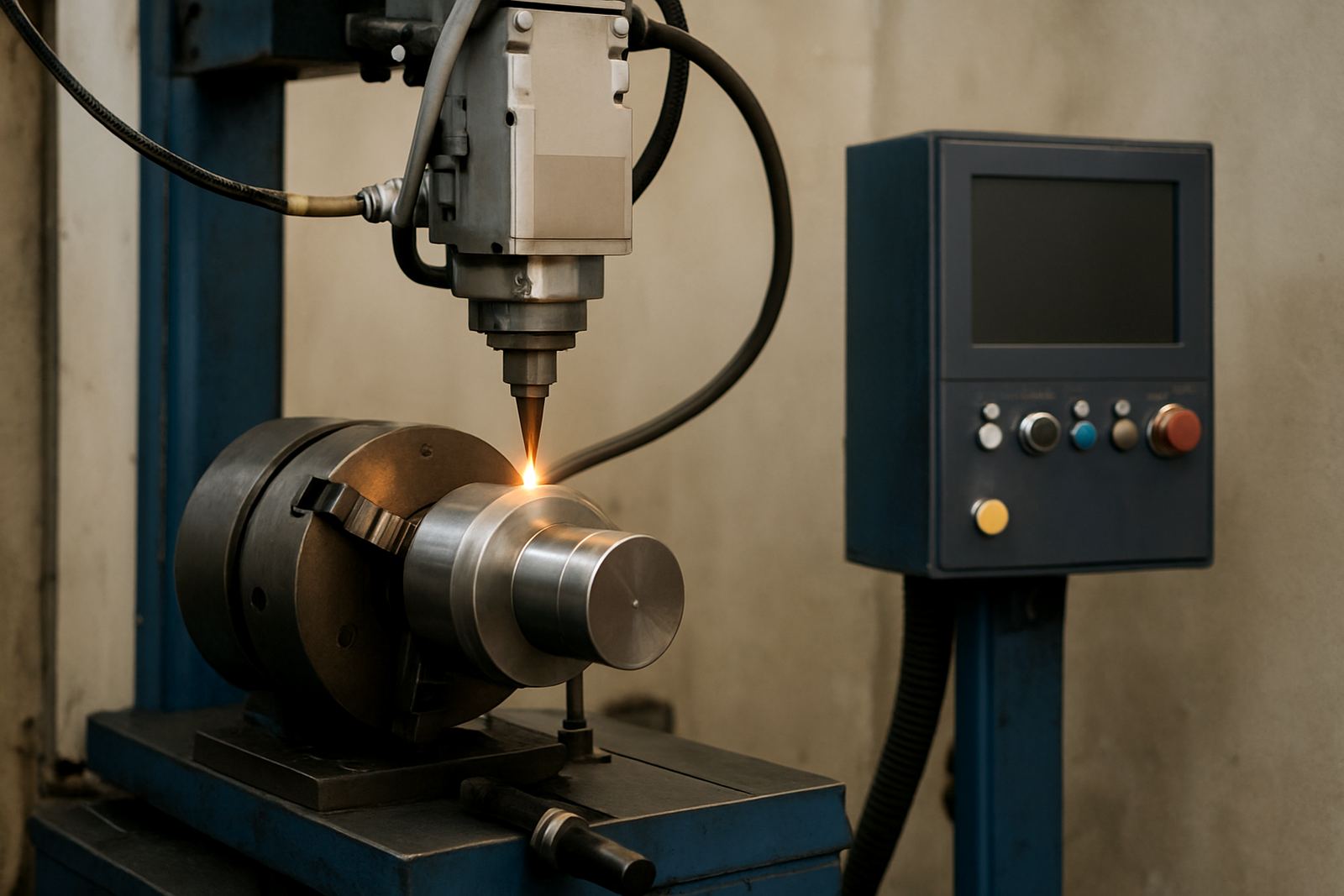
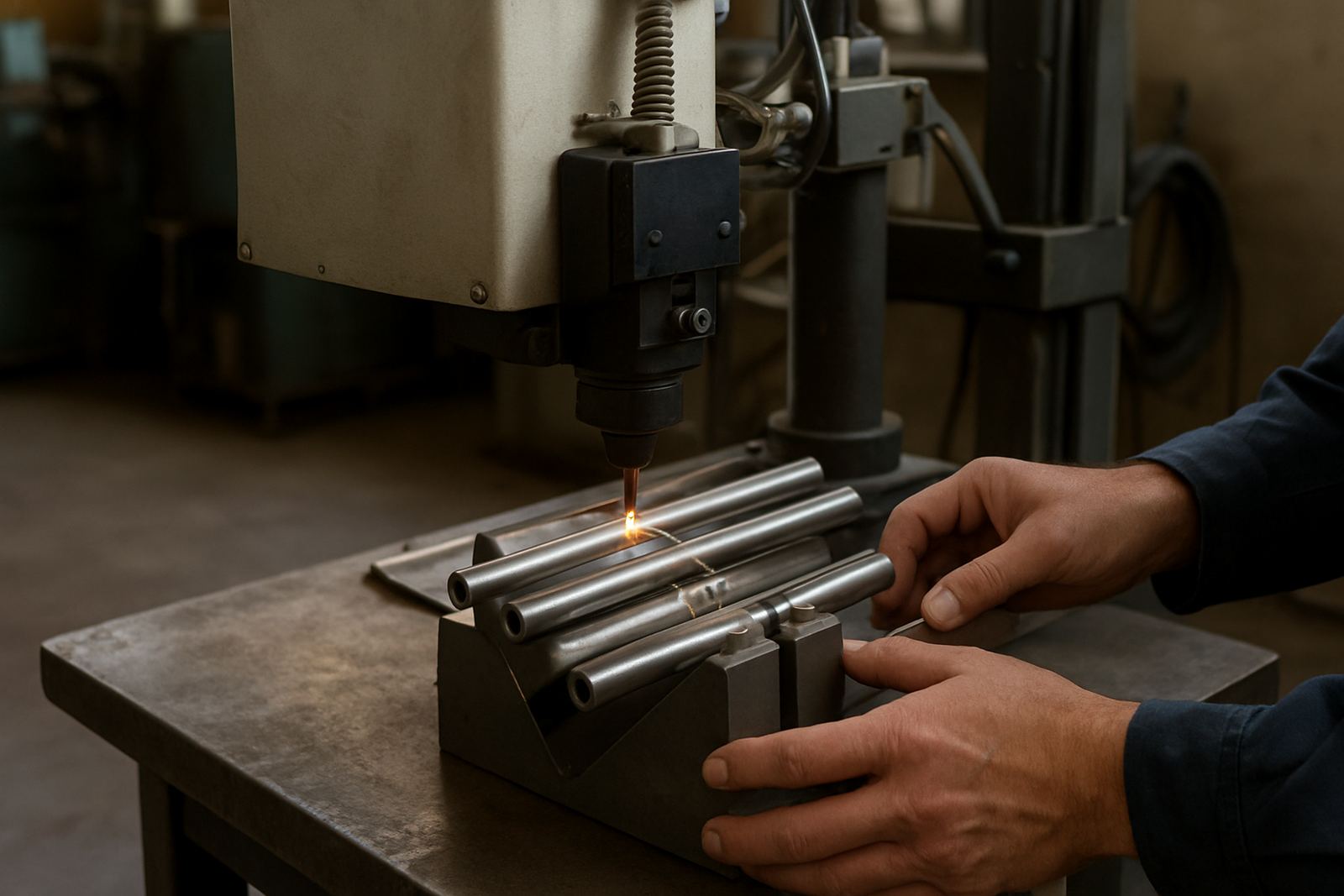
The Tube Weld Cell is used when a part needs controlled welding around a curved section instead of a flat joint. It is commonly specified for round tube, small diameter pipe, sleeves, collars and fittings that must keep their shape during welding. In a workshop setting this helps reduce distortion, improve repeatability and keep the weld zone neat enough for later machining or final fitting.
For repair work, the cell is useful on cracked tube sections, worn joints, pitted areas and short runs where a full manual setup would take too long. It is suited to light to medium duty production, one-off repairs and prototype parts. In Centurion and Pretoria, many clients use this type of station for stainless, mild steel and selected aluminium tube repairs where exact positioning matters.
Typical Sizes, Options And Working Envelope
The Tube Weld Cell is normally configured around the part size you bring in, so the working envelope should match the longest tube length and widest diameter you expect to handle. Common setups are used for tube from 10 mm to 300 mm diameter, with longer fixtures available for straight sections, curved sections and assembled frames. The exact arrangement depends on whether the job is a seam repair, a full circumferential weld or local build-up on one side of the tube.
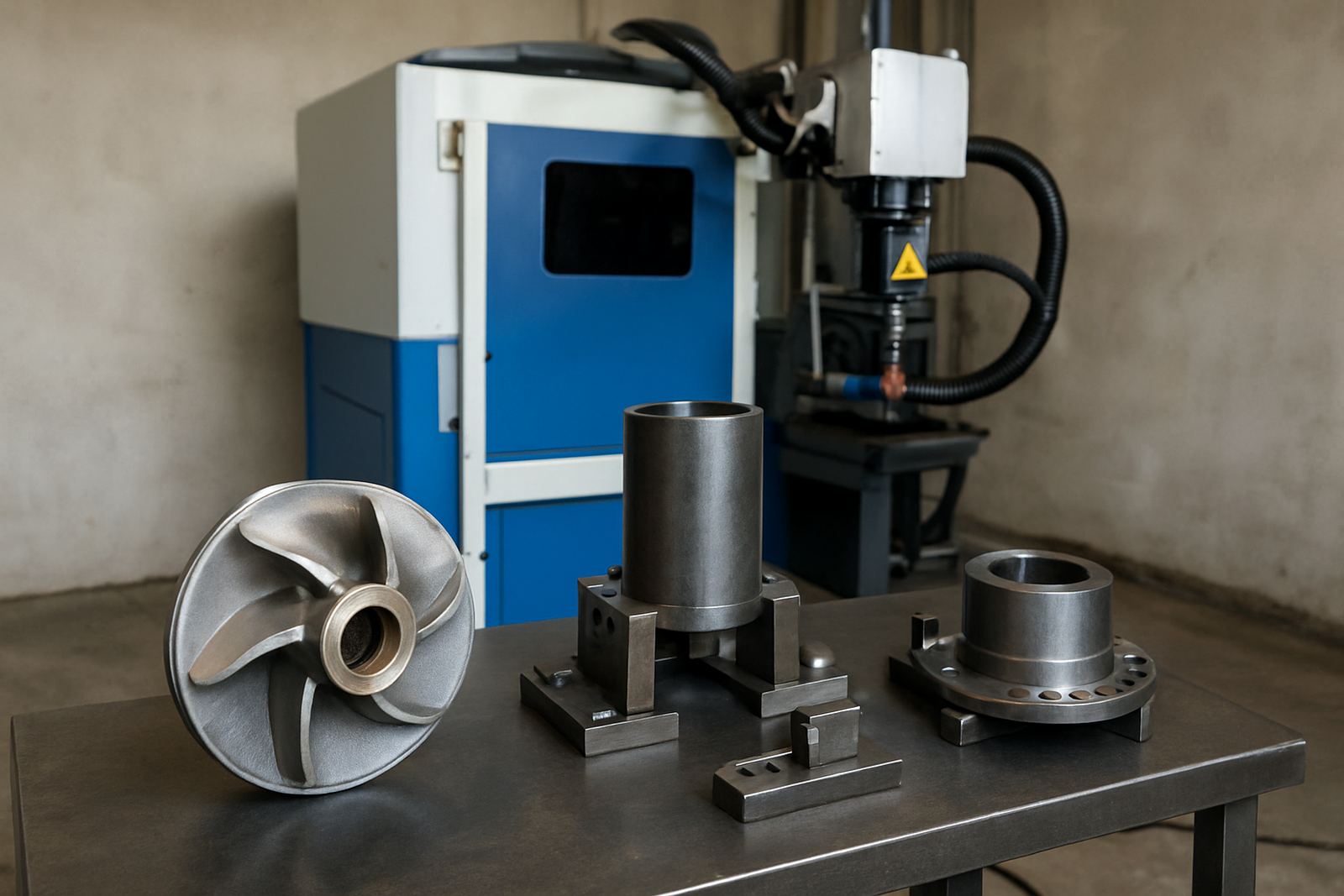
Available options usually include rotary support, adjustable end stops, part clamping, fine position setting and viewing aids for small weld zones. For customers running repeated work, the cell can be arranged for a fixed part family so set-up time stays short. If your work changes often, a more flexible layout with quick-release clamps and interchangeable supports is the better choice.
- Tube and pipe diameters from small sections up to heavier small-bore items
- Fixture options for straight, curved and angled tube assemblies
- Manual or semi assisted positioning depending on repeat volume
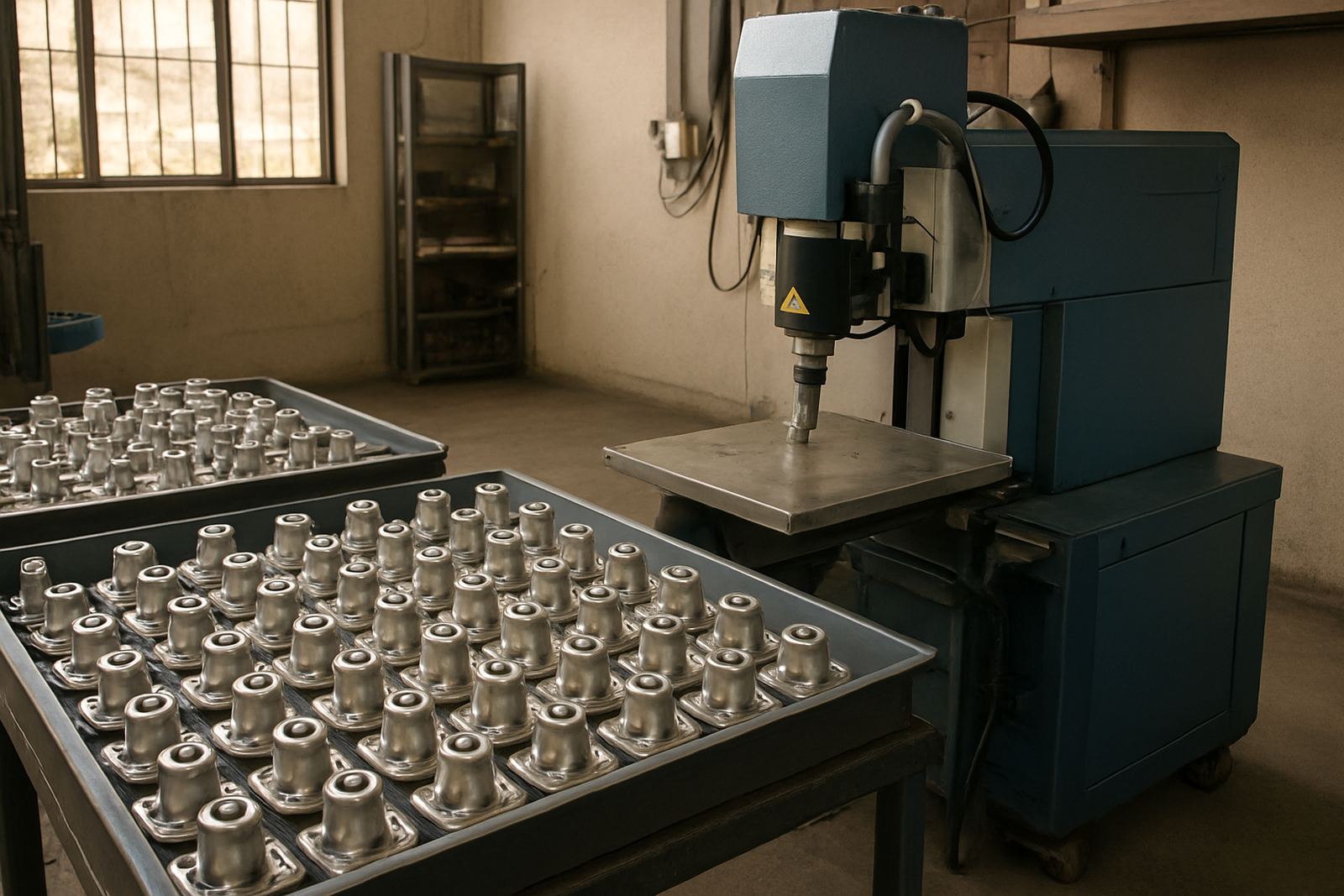
- Support for short repair runs and batch job-shop work
Where The Cell Suits Best In Practice
This equipment is a good fit for repair shops, fabrication yards, maintenance teams and small manufacturers that work with round sections on a regular basis. It suits exhaust-type repairs, frame repairs, light hydraulic tube work, instrument pipe sections, guards, sleeves and precision assemblies where the weld must sit cleanly without excessive heat spread. For job-shop use it is especially handy when a customer brings in mixed parts and each one needs slightly different handling.
In coastal areas like Durban or Gqeberha, the cell is often used for stainless repairs where surface condition must be kept under control and parts need to be cleaned properly before welding. In Gauteng, it is often called on for production fixes where load-shedding makes scheduled work windows important. The cell helps a workshop stay organised when power availability changes and there is a queue of parts waiting to be repaired.
Power, Gas And Workshop Installation Needs
Installation should allow enough floor space for loading, safe operator movement and the welding head or torch access. A level concrete floor is best, with clear access for trolleys or parts crates. Most installations need a standard workshop electrical supply matched to the welding source and controls, plus correct earthing and cable routing to reduce damage during daily use.
Gas needs depend on the material and process settings. A clean, dry shielding gas supply is normally required for stainless and aluminium work, and the supply must be checked for leaks, pressure stability and contamination. Where compressed gas bottles are used, secure chain fixing and compliant storage are important. If your site operates under municipal safety rules or an industrial park code, allow for those requirements before delivery. It is better to confirm the full set-up early than to find a missing fitting on install day.
- Stable electrical supply with proper earthing
- Dry shielding gas supply with regulated pressure
- Level floor and safe access around the cell
- Space for part loading, cooling and inspection
Care, Servicing And Keeping Weld Quality Consistent
Like any precision station, the Tube Weld Cell performs best when it is kept clean and checked often. Remove spatter, dust and metal offcuts after each shift. Inspect clamps, guide surfaces, rotary parts and alignment points for wear. If the cell is used on stainless work, keep it free from contamination from carbon steel tools or grinding debris, because that can cause staining and cleanup later.
Routine servicing should cover gas flow checks, cable condition, torch or head wear, and the condition of any moving parts. In busy workshop use, a weekly visual inspection and a monthly deeper check is a practical rhythm. If the cell is running near the coast or in a damp plant, dry storage and regular wipe-downs matter because moisture can creep into fittings and affect finish quality. A little attention here saves rework and call-backs later on.
What To Check Before You Order A Tube Weld Cell
Before ordering, measure the largest and smallest tube diameters you need to handle, the maximum part length, and the wall thickness range. Also note whether the work is round tube only or includes small pipe with fittings, bends or welded-on brackets. If you need repeat work, give the supplier your batch size, daily output and the time you can allow for changeover.
It also helps to check the material types, whether the parts are clean or pre-used, and if access is needed all the way around the tube or only on one side. If you are sending work to Centurion, Pretoria East, Midrand or further afield by courier, ask about packing dimensions and handling so the parts arrive in good condition. This avoids delays and makes sure the cell is matched to the job properly.
- Tube diameter, wall thickness and overall part length
- Material type such as stainless, mild steel or aluminium
- Required weld access, inside and outside clearance
- Batch size, turnaround time and repeat frequency
Key facts
| Working range | Round tube and small pipe sections, typically 10 mm to 300 mm diameter depending on fixture set-up |
|---|---|
| Supported materials | Stainless steel, mild steel and selected aluminium applications |
| Job types | Seam work, crack repair, edge build-up, part restoration and prototype joining |
| Positioning | Adjustable clamps, end stops and optional rotary support for repeatable alignment |
| Power requirement | Matched to workshop welding supply with proper earthing and stable current delivery |
| Service area | Centurion, Pretoria, Midrand, Rosslyn, Jet Park and nationwide courier jobs |