What the Pump Part Cell is used for
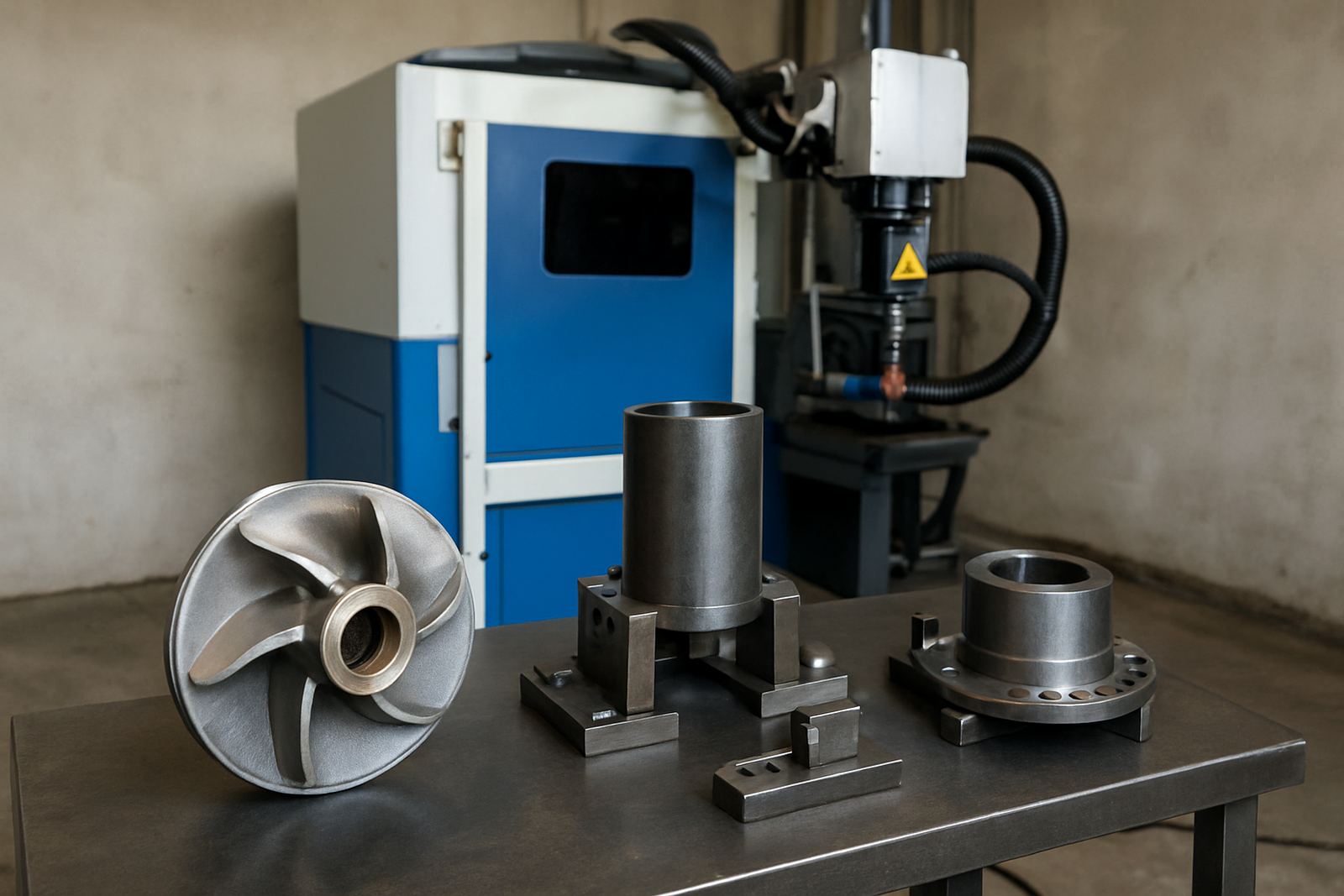
This service is arranged for pump parts that need material added back into worn areas before final machining or reassembly. Common work includes impeller blade edges, shaft sleeves, seal lands, wear rings and pump housings where the original profile must be kept as close as possible. The aim is to restore usable thickness and geometry without distorting the part, which is important on precision pumps used in water treatment, mining, food processing and general plant maintenance.
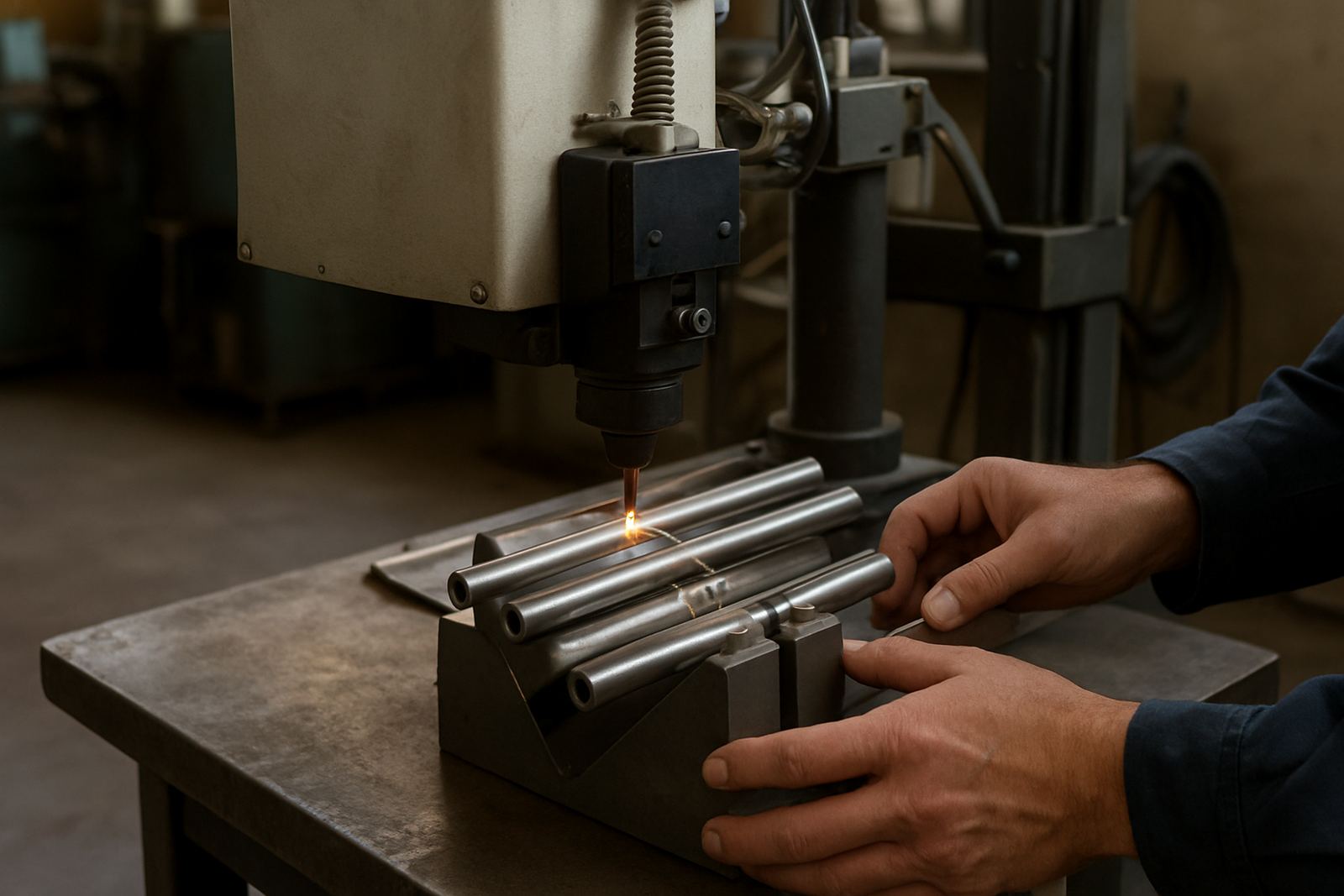
Because laser welding concentrates heat into a very small zone, it is often chosen for components that cannot take a long post-weld straightening process. That is useful on thinner sections and on parts with tight tolerances, especially when the customer wants to save an expensive casting or machined item instead of replacing it outright.
- Impeller edge build-up and local repair
- Sleeve and seal area restoration
- Crack arrest and rebuild on worn sections
- Repair before final machining or balancing
Typical sizes, component types and repair options
The cell is suited to small and medium pump parts as well as larger items that can be safely handled in sections. Final suitability depends on the part geometry, alloy type and how much material must be added. For many jobs, the component is assessed first so the team can confirm whether the repair should be done as a local build-up, a full circumference repair, or a staged process with intermediate checks.
Typical options cover stainless steel, carbon steel and selected non ferrous pump components, subject to condition and weldability. On badly worn impellers, the repair may be carried out in several passes to rebuild the worn edge then return the part to machining allowance. In cases where erosion has thinned a sealing area, only the affected zone is treated so that surrounding dimensions stay stable.
- Small repair areas from a few millimetres up to larger worn zones
- Single components or batch work for fleets and maintenance shutdowns
- Dimensional build-up for re-machining allowance
- Restoration of edges, bores, faces and sealing tracks
Where the pump part cell suits best
This work suits workshops and plant operators across Gauteng and nationwide that need quick turnaround on parts taken out during maintenance. Centurion, Pretoria East, Midrand, Rosslyn and Jet Park are all practical collection or drop-off points, with courier jobs handled for clients further afield. It is especially useful where pump downtime is costly and replacement lead times are long or uncertain.
The repair method is also a good fit for sites dealing with coastal humidity, dirty water, abrasive slurry or chemical exposure, because these conditions often create localised wear rather than complete failure. In those cases the part may still be structurally sound, but one sealing surface or impeller edge has gone out of spec. For load-shedding affected plants, keeping a repair option available can help avoid a stop-start approach to maintenance stock.
- Water, wastewater and sewage plants
- Mining and slurry handling operations
- Food, beverage and process plants
- Municipal, agricultural and industrial pump rebuilds
Installation, handling and power or gas needs
The pump part cell is a workshop-based repair arrangement, so installation is generally not required on site. Parts are received, cleaned, assessed and prepared before welding begins. For a clean result, components should arrive free of oil, heavy scale, paint and loose corrosion. Where possible, send the part with associated drawings, sample measurements or the old machined dimensions so the repair allowance can be set correctly.
Laser welding uses controlled energy and local shielding rather than the high overall heat associated with some other repair methods. That means the job is better managed in a properly prepared workshop than in a dusty plant area. Some jobs may need clamping, fixturing or rotation so that the repair line stays even. If a part is large, awkward or delicate, the team will advise on packaging and transport before collection.
- Power supply and gas requirements are managed in workshop conditions
- Parts should be dry, clean and clearly marked
- Provide lifting points or packing that protects machined faces
- Courier or local collection can be arranged for suitable jobs
Care, servicing and after-repair checks
After repair, the part may need light machining, balancing or a final inspection before it goes back into service. The main point is to check whether the repaired zone still meets the required thickness, face finish and concentricity for the pump type. On impellers, a small amount of imbalance can cause vibration and shortened bearing life so it is worth checking this before installation.
Good servicing practice after the pump returns to service includes monitoring for cavitation, unusual noise, seal leakage and early wear at the repaired area. If the pump is handling abrasive media, a scheduled inspection after the first few weeks of operation is sensible. That gives the maintenance team a chance to confirm the repair is holding and the pump is not running out of alignment.
- Check for cracks, porosity and undercut after welding
- Confirm machining allowance before the part is released
- Inspect balance, face runout and seal contact areas
- Recheck the pump after early service run-in
What to send when ordering a repair
To quote a pump part cell job properly, the team needs enough detail to judge size, material and the extent of wear. The more precise the information, the faster the repair can be scheduled. If you can, send clear photos, measurements of the damaged area and any drawings or old service notes. It helps to know whether the part is from clear water, dirty water, slurry or chemical service because that affects the wear pattern and the repair allowance.
Also say whether the component must be saved for immediate reuse, held as a spare, or repaired for machining by another shop. In some cases the job is urgent because one failed pump is holding up a whole line and that needs to be stated at the start. If the part has already been disassembled, include the mating pieces too when there is any doubt about fit.
- Part type, size and quantity
- Material if known, plus service medium
- Photos of the worn or cracked area
- Required tolerance, finish or machining allowance
Why maintenance teams choose this repair route
Repairing a worn pump part is often quicker and more economical than replacing the full assembly, especially when the castings or machined parts have long lead times. Laser welding gives a fine repair zone with minimal spread of heat, which suits precision pump components that must still fit correctly after rework. For many South African sites, that means less downtime, fewer procurement delays and better use of existing stock.
Laser Welders Jobshop handles job-shop work from Centurion and Pretoria, with support for clients in Midrand, Rosslyn, Jet Park and nationwide by courier. The focus is on careful assessment and dependable workmanship, not guesswork. If the pump part can be saved safely, the goal is to return it in a condition the machinist and fitter can work with, and that often makes the difference between a one day fix and a longer outage.
Key facts
| Service type | Laser welding repair cell for pump components |
|---|---|
| Typical parts | Impellers, sleeves, seal areas, wear rings, housings |
| Material types | Stainless steel, carbon steel and selected non ferrous alloys |
| Repair range | Local build-up, edge restoration, crack repair, rework allowance |
| Work format | Single items, small batches and courier jobs nationwide |
| Base | Centurion, Pretoria with collections and support in Gauteng |