What the Camera View Cell is used for
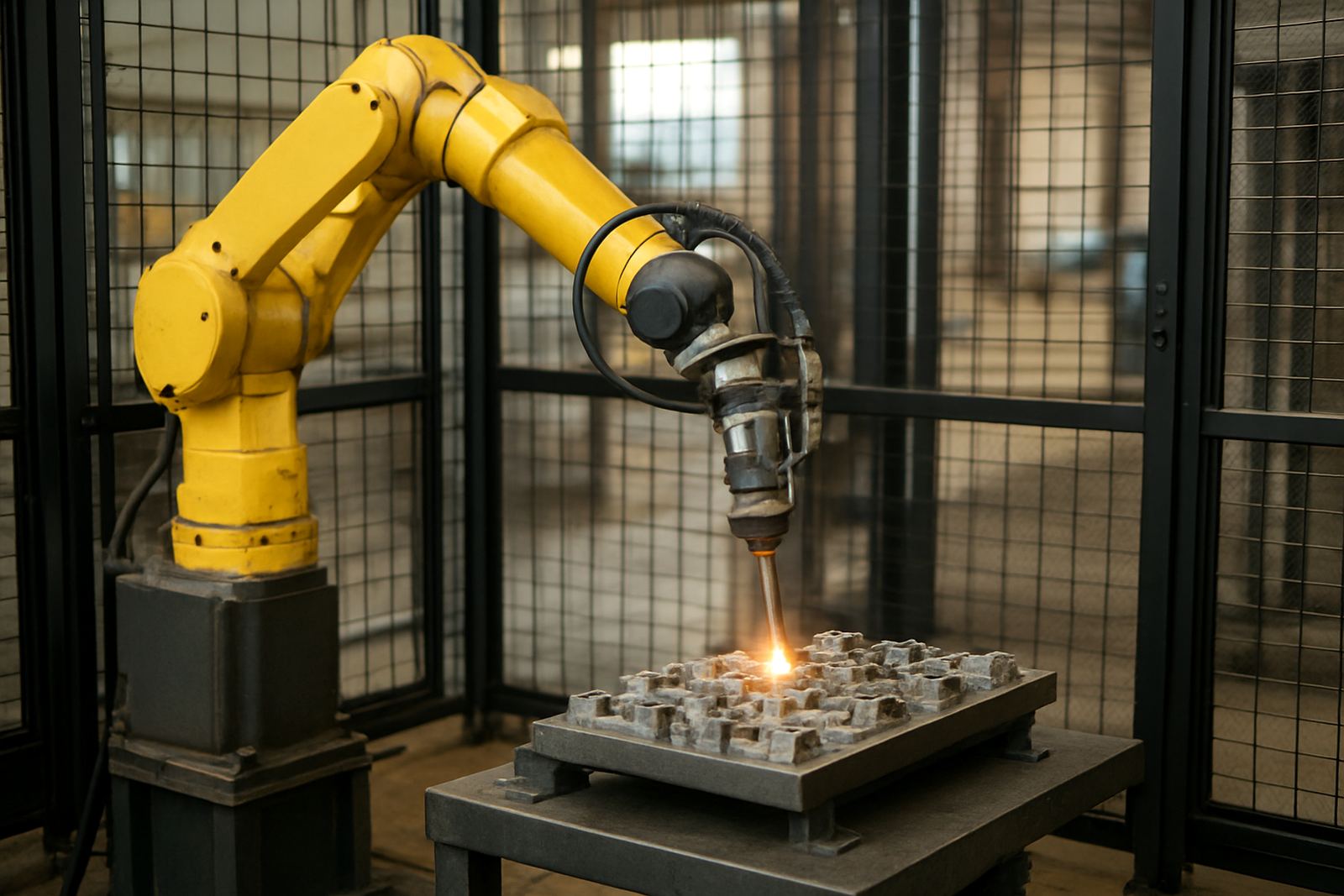
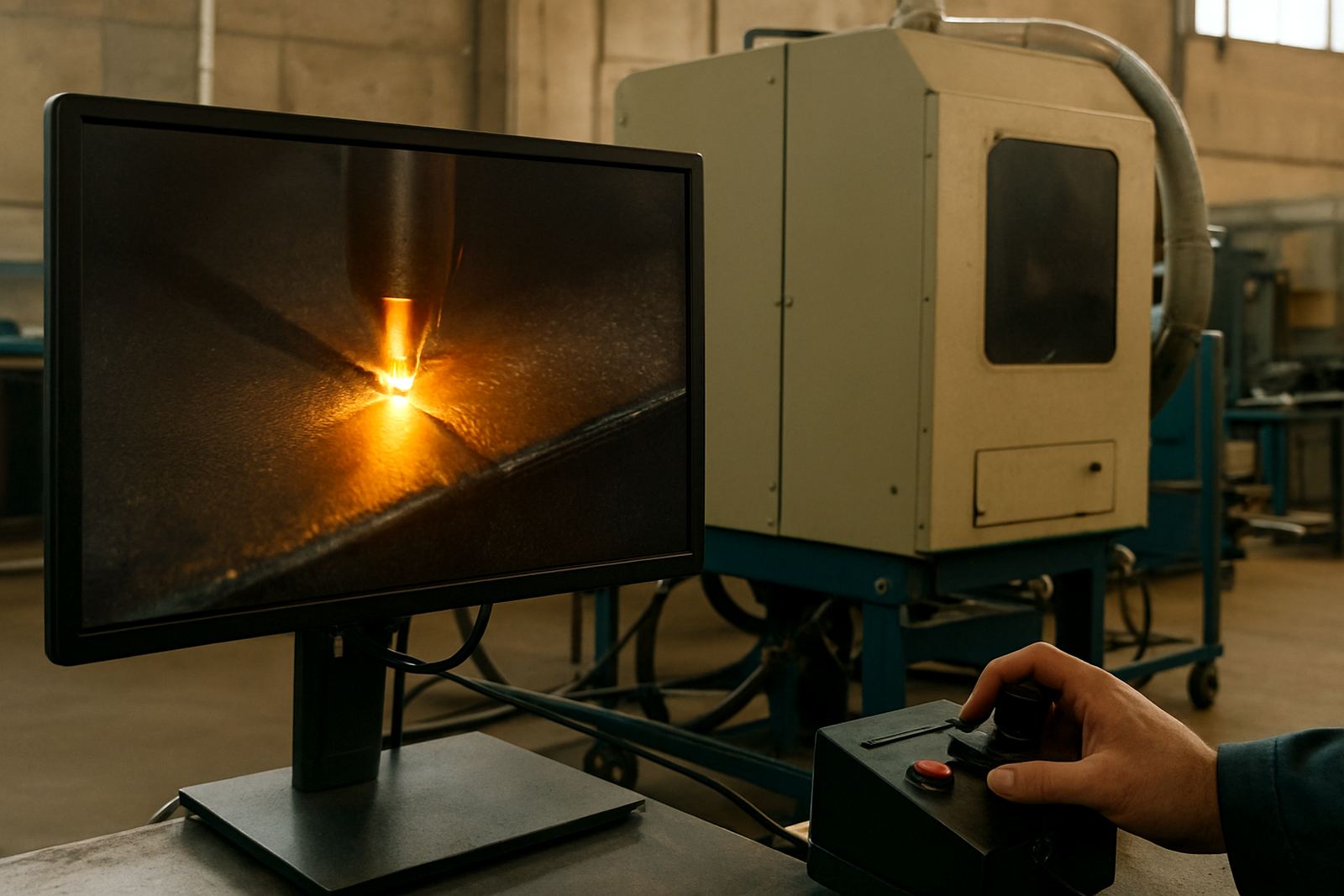
The Camera View Cell is a controlled welding station with camera-assisted observation so the technician can view the joint, part position and torch area without crowding the workpiece. It is useful when parts are small, access is tight or the setup must be checked before a final weld is run. In a busy job-shop environment this helps with repeat jobs, prototype work and training, especially where the team needs to see exactly what is happening at the weld point.
For sites in Pretoria, Centurion, Midrand and Rosslyn, it is also a practical way to keep work organised when different operators handle the same part over a week. The camera feed supports better communication between the welder, quality control and the client, because the setup can be reviewed before the job moves on. That is helpful on complex repairs where one missed angle can mean rework.
Sizes, viewing options and cell layout
Camera View Cells are usually built in compact workshop sizes, with the viewing system matched to the part size and the way the job moves through the cell. A smaller unit suits fine repair work and hand-held positioning, while a larger enclosure gives more room for fixtures, part rotation and batch jobs. For work in harsh industrial areas such as Jet Park or manufacturing floors in Rosslyn, the enclosure can be arranged to suit frequent loading and unloading without disturbing the setup.
- Single-view camera for direct operator monitoring during welding
- Dual-view option for both part entry and weld zone observation
- Fixed monitor station or wall-mounted display for easy viewing
- Lighting package for darker alloys and low-reflective inspection
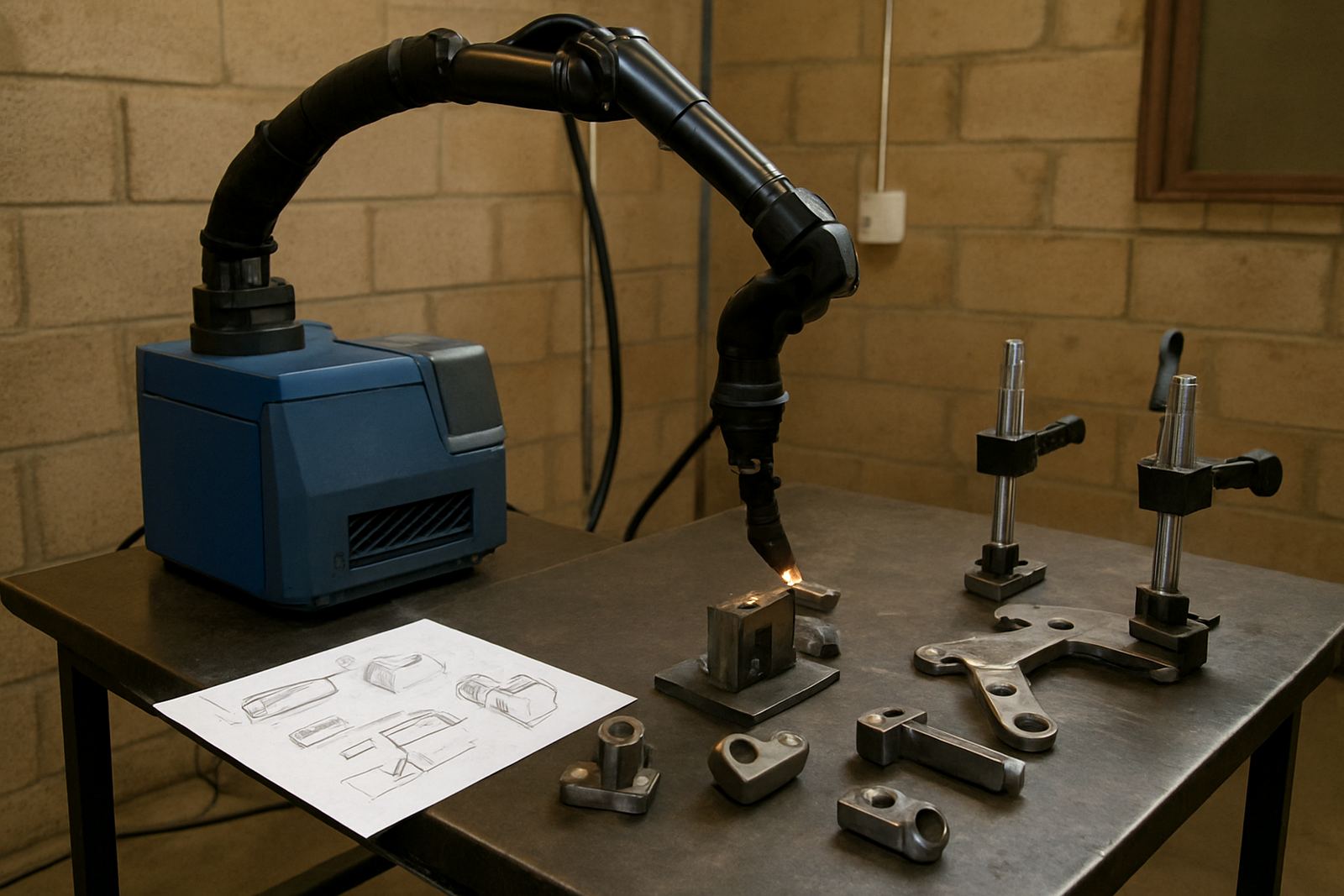
- Fixture table, turntable or adjustable support depending on the part
Most buyers ask for a cell that keeps the view clear while still allowing gloves, tools and jigs to move into position easily. If the job involves thin section work or small components, a tighter viewing angle with better lighting gives a more useful picture than a large open enclosure.
Where it suits best on the shop floor
This product suits precision welding areas where setup quality matters as much as the weld itself. It is often used for mould and die repairs, prototype joining, part restoration and thin stainless or aluminium repairs. In a South African workshop, that can mean anything from a tooling room in Pretoria East to a production bay in Midrand where small batches must be repeated with the same result each time.
The camera-assisted layout is also useful for training new operators because the instructor can stand back and still monitor joint placement and travel. That keeps hands and eyes away from the heat zone and helps reduce mistakes on delicate parts. It is a practical choice where load-shedding, limited floor space or shared work areas make close physical observation awkward.
- Precision parts and fine repairs
- Tooling, mould and die maintenance
- Prototype work and first-off samples
- Batch jobshop welding with repeat settings
- Training rooms and supervised operator bays
Installation, power and gas needs
Installation depends on the final enclosure size, camera package and lighting, but the unit is normally set up on a level workshop floor with enough clearance for loading parts and opening access panels. For best results it should be placed where dust, grinding sparks and vibration are kept under control. In coastal humidity or on factory floors with regular cleaning, a tidy cable route and protected monitor mounting help the equipment stay in better condition.
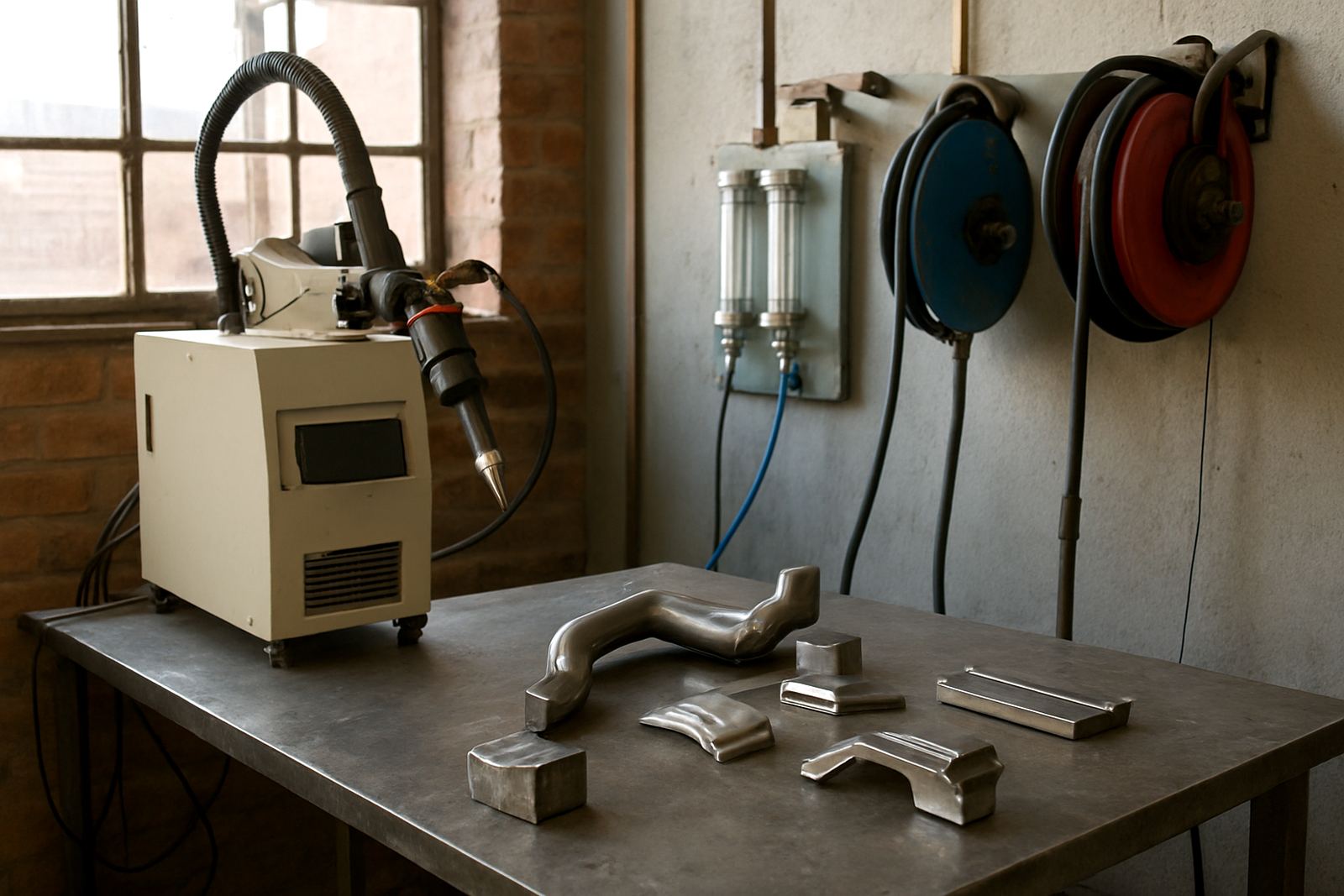
Power requirements vary with the viewing system, lighting and any integrated support equipment. A stable single-phase supply may be enough for lighter setups, while larger installations can need dedicated circuits. If the cell is paired with laser welding equipment that uses shielding gas, the gas supply must be routed safely and kept easy to isolate at the end of a shift. On sites with load-shedding it is worth planning backup power for the camera and lighting so the setup can be checked before welding resumes.
- Level floor and stable support base required
- Dedicated power point recommended for camera and lighting
- Backup supply useful where load-shedding interrupts work
- Gas lines must be secured and labelled clearly
- Extraction or ventilation should suit the workshop conditions
Care, cleaning and servicing intervals
Keeping the viewing window, lenses and lighting clean is the main maintenance task on this product. Fine dust, polish residue and weld spatter can reduce image clarity quickly, so the cell should be wiped down at the end of each shift and checked again before a batch starts. If the unit is used in a busy repair shop, weekly inspection of cables, mounts and camera alignment is sensible.
Service checks should confirm that the display is reading clearly, the camera angle is still correct and the lighting is not fading. In humid coastal conditions, connectors and brackets must be checked for corrosion. If the cell is moved between jobs or shared across teams, calibration should be confirmed after each relocation because a small shift can change the viewing position enough to affect setup quality.
What to confirm before you order
Before ordering a Camera View Cell, check the size of the parts, the type of welding work and how the operators will stand or sit while using it. You should also confirm whether the job needs a single camera, multiple views or a stronger lighting package. If the cell will be used for training, ask for a monitor position that is easy to see from a safe distance.
- Maximum part length, width and height
- Type of work: repair, prototype, batch or training
- Required view angle and monitor position
- Power available on site and backup options
- Need for gas routing, extraction or extra lighting
- Whether the cell must fit through a narrow doorway or workshop aisle
Clients in Centurion, Pretoria East and the wider Gauteng area often send a sample part or clear measurements first, which helps avoid delays and makes the final setup more accurate. If the cell will be used on nationwide courier jobs, packaging and transport clearance should also be checked before dispatch.
How this fits job-shop work at Laser Welders Jobshop
For a job-shop that handles one-off repairs as well as repeat production, the Camera View Cell supports better control at the point where it matters most, the setup. It is useful when a client needs proof of alignment, when quality control wants a clearer record of the process, or when an operator needs help positioning a small or awkward part. Marius van der Merwe and the team can advise whether the cell should be specified for workshop use in Centurion or for collection and return work across South Africa.
It is a practical choice for precision environments where clear visibility saves time and reduces the risk of rework. If you need the cell matched to a specific part or production flow, it is worth sharing measurements, material type and the expected weekly volume before the order is confirmed.
Key facts
| Product type | Camera-assisted welding observation cell |
|---|---|
| Main use | Setup visibility, training support and weld observation |
| Typical capacity | Compact to medium workshop layouts depending on part size |
| Viewing system | Single or dual camera with monitor output |
| Power | Single-phase or dedicated supply depending on package |
| Best suited for | Precision parts, repairs, prototypes and batch jobshop work |