What the Prototype Weld Cell is used for
Our prototype weld cell is an adaptable work station set up for precision laser welding on samples, one-off parts and trial assemblies. It gives the operator a clean, controlled area to establish weld parameters, test fit-up, and confirm part movement before a batch run begins. In practical terms, it is the place where a new job is checked properly so the workshop is not guessing later on.
The cell is suited to development work for mould and die components, thin section repairs, stainless and aluminium trials, plus part restoration where the metal is valuable and access is tight. It is also useful for engineering teams who need first-off approval, small production changes or repair procedures that must be repeated the same way each time. Because laser welding concentrates heat very locally, it helps reduce distortion on delicate parts but the setup has to be right from the start.
For clients in Pretoria, Centurion, Midrand and surrounding industrial areas, this is often the best option when a drawing is still being refined or when a component cannot be sent into general fabrication without a proper trial. It supports careful work, not rushed work, and that saves time on rework.
Cell sizes and setup options
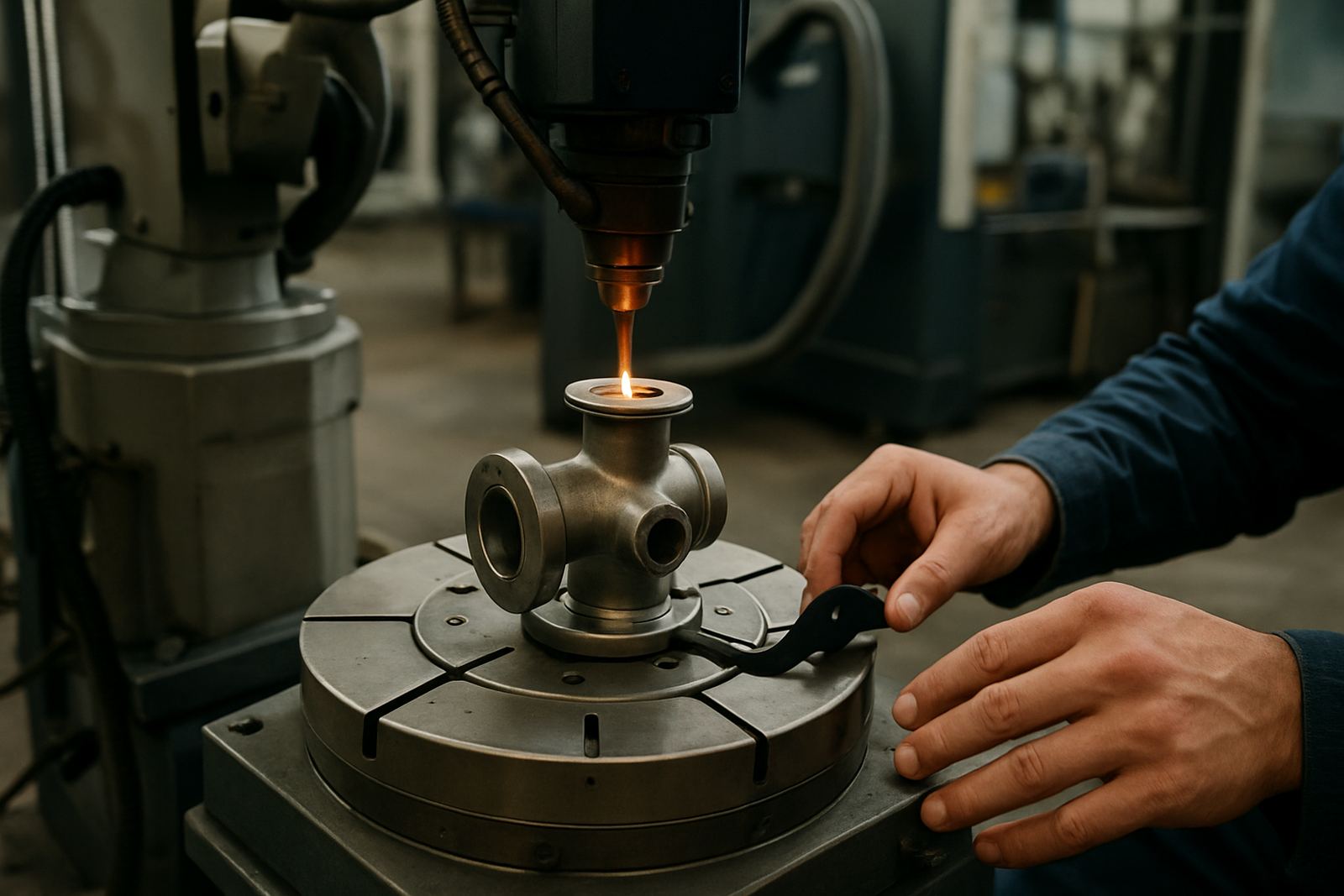
Prototype work comes in many shapes, so the cell can be arranged to suit small precision parts or larger assemblies that need a stable welding position. The standard setup is compact enough for workshop use, but there is scope to add fixturing, component supports, rotary positioning and local extraction depending on the job. For awkward pieces, the aim is to keep the part steady and the weld zone easy to reach.
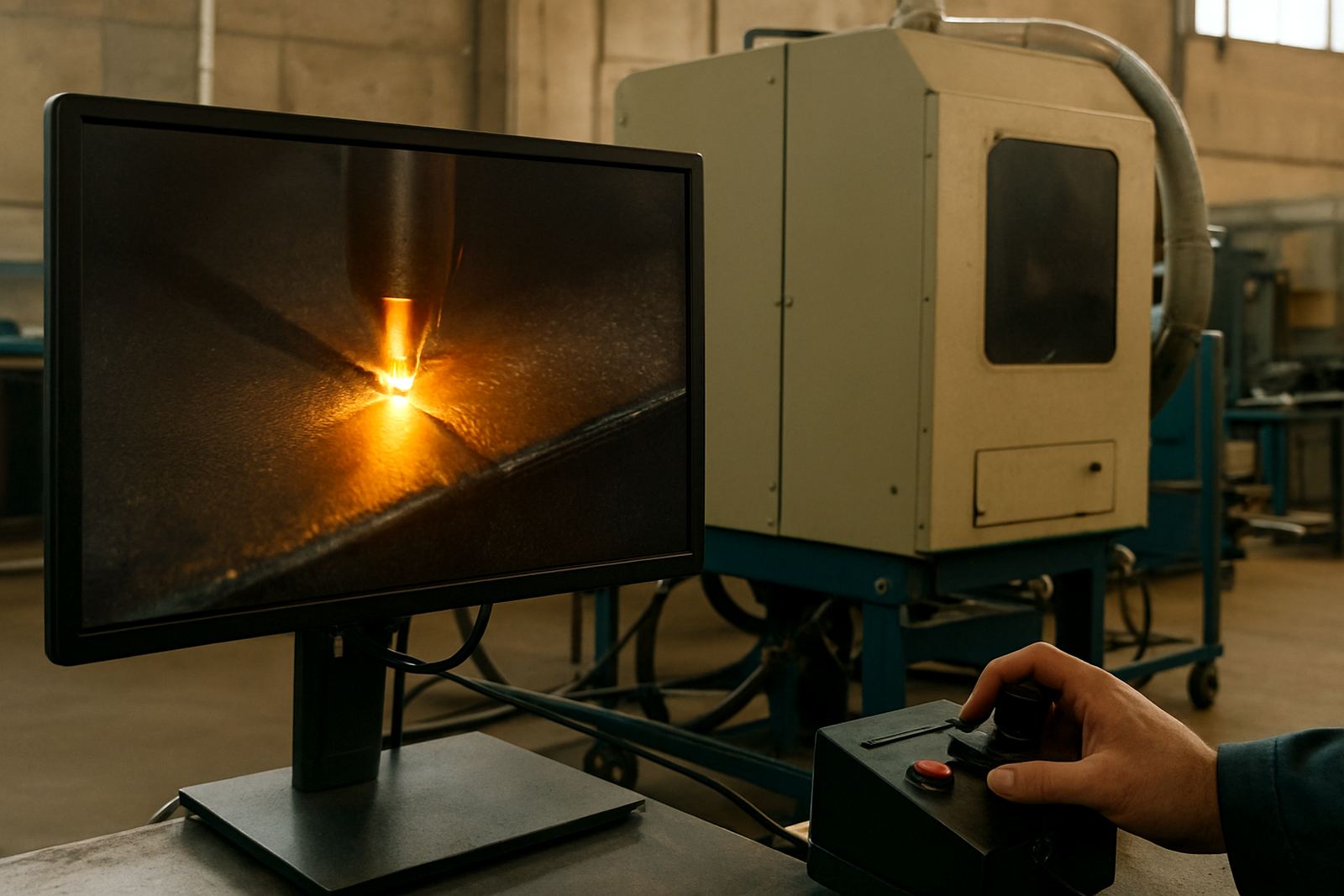
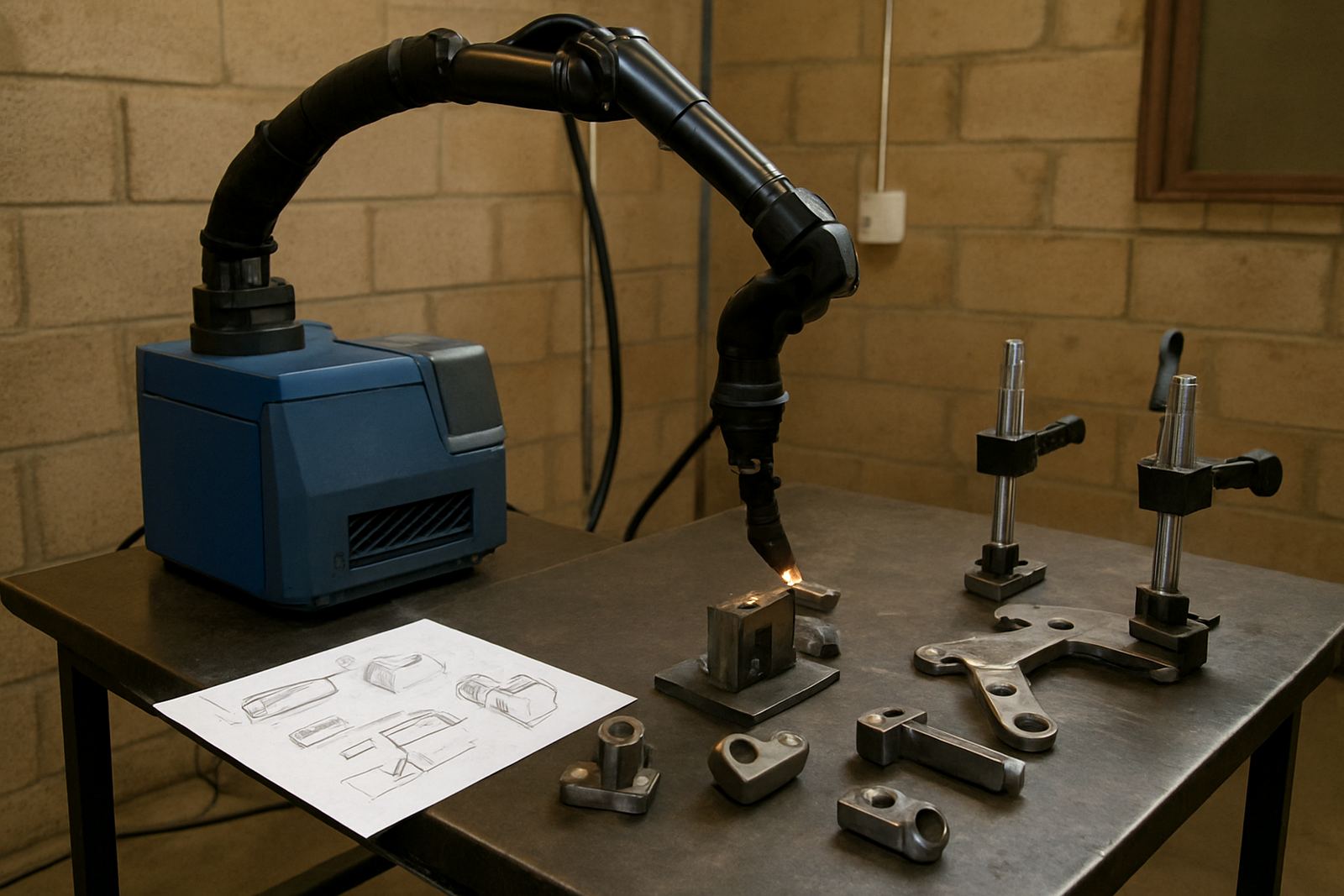
Typical options include bench-mounted workholding, adjustable jigs, foot control for hands-free operation, and viewing aids for fine alignment. Where a job needs testing under different conditions, the cell can be configured for repeated set-down and changeover without disturbing the work area too much. That is important when several versions of the same part need to be compared side by side.
- Compact single-operator station for small parts and repairs
- Extended bench arrangement for longer components and trial assemblies
- Rotary support for round items, collars and rings
- Custom jigs for repeatable first-off checks
- Local extraction and shielding for cleaner working conditions
In a busy job-shop, the right size is not just about footprint. It is also about reach, visibility and how quickly the next sample can be clamped and checked.
Where the weld cell suits best
This type of cell suits workshops that handle prototypes, engineering samples, repair development and short-run production. It is especially useful for precision industries where a small change in weld placement can affect the final fit or the life of the component. Toolrooms, maintenance teams, subcontractors and manufacturers often use it when they need a process confirmed before they commit to quantity work.
It works well on jobs involving thin stainless sections, aluminium details, hardened components with local repair areas, and fine features around mould inserts or dies. It also helps when a customer needs a trial weld procedure documented for internal approval, because the same setup can be repeated while the settings are adjusted. For coastal clients from places like Durban or Gqeberha, the cell is handy for corrosion-sensitive parts that must be handled carefully and protected from contamination.
Where load-shedding or unstable power is a concern, a properly planned weld cell gives the operator a clear shutdown and restart routine, so test work is not lost halfway through a critical sample. That may sound basic, but in practice it protects time and material.
- Prototype approval work for engineering teams
- First-off parts before batch welding starts
- Repair procedure trials for maintenance departments
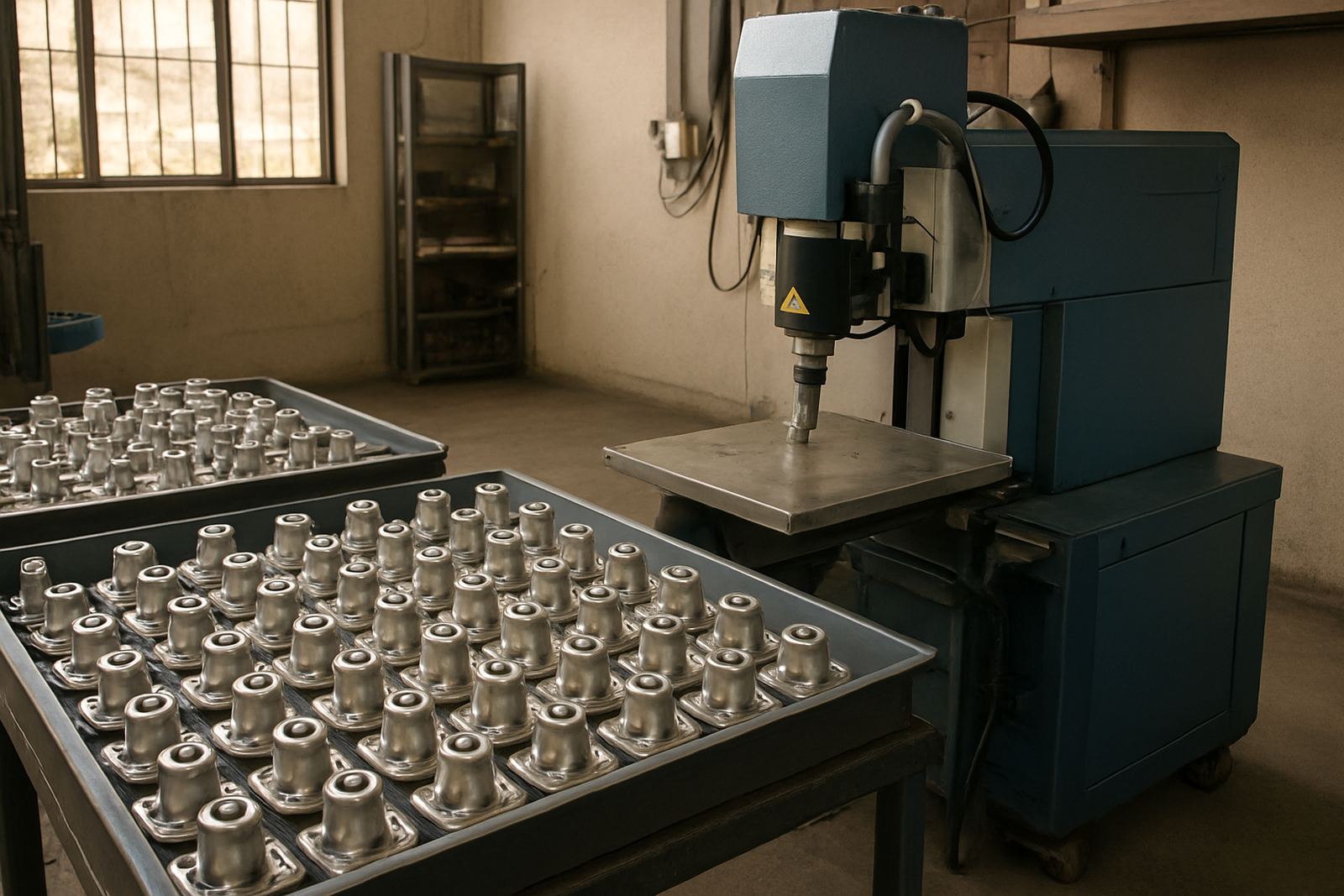
- Short-run and job-shop production
- Precision work where distortion must be kept low
Power, gas and installation needs
The installation requirements depend on the final cell size and the type of laser welding work being done, but the workshop must allow for stable electrical supply, safe grounding and enough space around the station for access and ventilation. If the cell includes extraction, positioning equipment or additional lighting, those loads need to be counted before the install. A small prototype setup can often fit into an existing workshop bay, while a larger station may need dedicated floor space and better cable routing.
Gas needs are generally tied to shielding and the specific material being welded. Clean gas lines and dry storage matter, especially in humid areas or where cylinders stand near open workshop doors. For aluminium and stainless work, the gas setup must stay consistent if the trial results are to mean anything. On the electrical side, it is best to confirm the available supply early, particularly in premises that already carry compressors, grinders and other heavy workshop equipment.
Installation should allow the technician to move around the cell safely, place parts without strain and keep the working surface free from clutter. If the job will involve couriered samples from across South Africa, a receiving point nearby can also help keep incoming parts organised before they reach the weld station.
Care and servicing to keep trial work consistent
A prototype cell only stays useful if it is kept clean and checked regularly. Dust, spatter residue and poor fixture alignment can all affect trial results, especially on thin or decorative parts. Routine care includes cleaning the work surface, checking clamps and supports, confirming gas flow and making sure the viewing area stays clear. It is also worth inspecting cables and connections before the start of a new development job.
Scheduled servicing should be done with the cell in mind, not only the welding source. If a jig loosens or a support shifts even slightly, the trial data becomes less reliable. That means the workshop should keep a simple log of what was used, what settings were tested and what changes were made. It sounds old fashioned, but it saves confusion later when a customer asks for the same result on the next batch.
Our team can help with workshop checks, setup review and fine tuning after the cell is installed. For busy sites in Centurion, Rosslyn, Jet Park or Midrand, this often fits best into planned maintenance slots so production does not get in the way of development work.
What to check when ordering a prototype weld cell
Before placing an order, it helps to know exactly what the cell must do. Start with the part size, material type, thickness range and whether the work is mainly for repair, joining or build-up. Then consider whether the cell will handle one-off samples only or if it must support regular short runs. That affects the fixturing, access and operator layout.
- Maximum part dimensions and working envelope
- Material types, including stainless, aluminium or mixed components
- Required accuracy, finish and distortion limits
- Power availability and any backup plan for load-shedding
- Gas type, flow control and storage conditions
- Need for extraction, lighting, jigs or rotary support
It is also wise to confirm how samples will arrive and leave the workshop, especially if parts are coming from other provinces by courier. We work from Centurion and handle job-shop work nationwide, so clear information at the start helps us plan the cell for the actual task, not just the drawing. If the order is for trial procedures or first-off approval, send through as much detail as possible so the setup can match the part the first time.
Key facts
| Product type | Prototype laser weld cell for development, first-off and trial weld work |
|---|---|
| Typical part range | Small precision components up to larger trial assemblies, depending on fixture set |
| Material compatibility | Stainless steel, aluminium and other repair or joinery applications |
| Workholding | Bench clamps, custom jigs, adjustable supports and optional rotary positioning |
| Utilities | Single or three-phase supply, shielding gas and local extraction as required |
| Primary use | First-off approval, parameter testing, repair procedure trials and short-run job-shop welding |