Purpose-Built For Circular Wear Repair
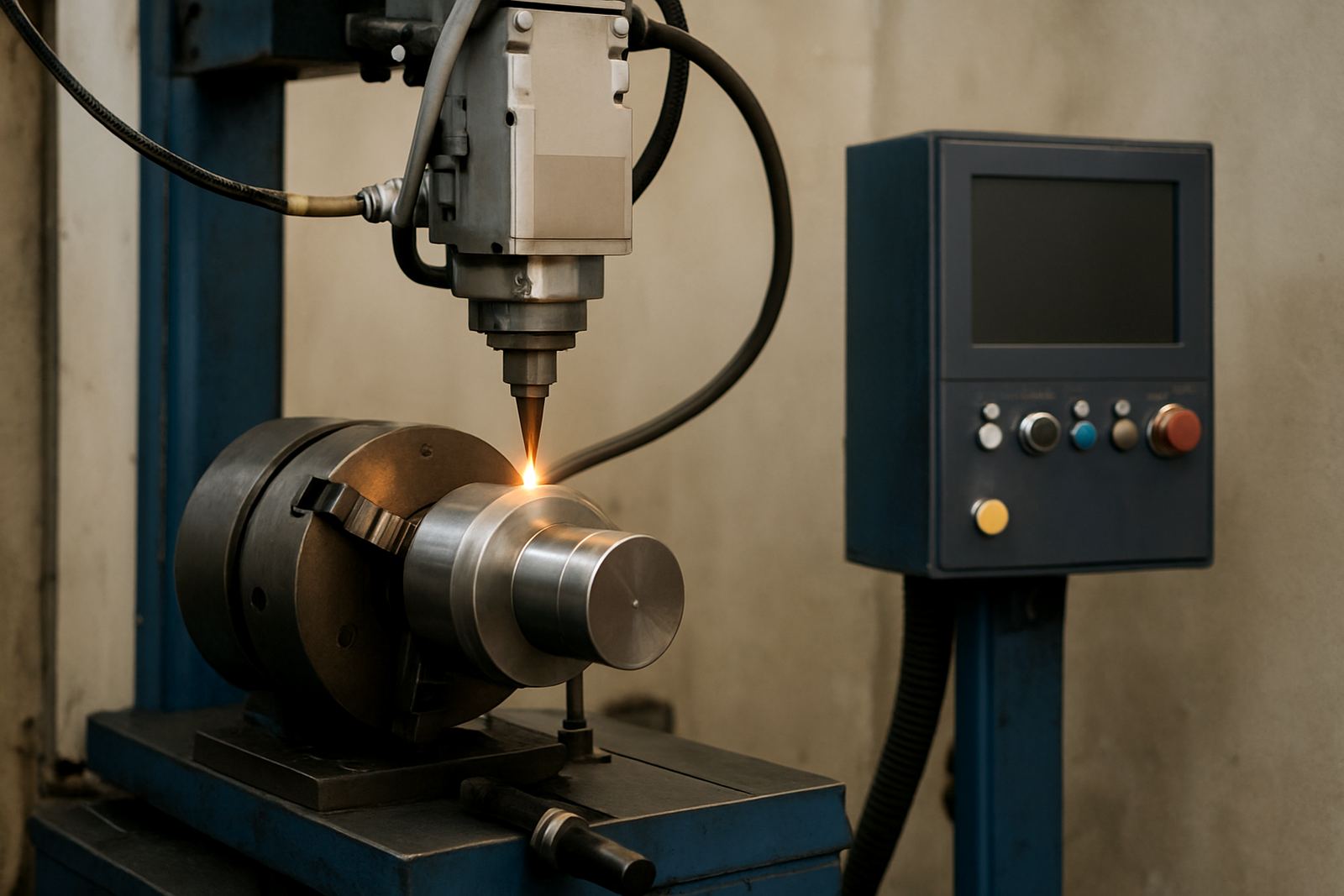
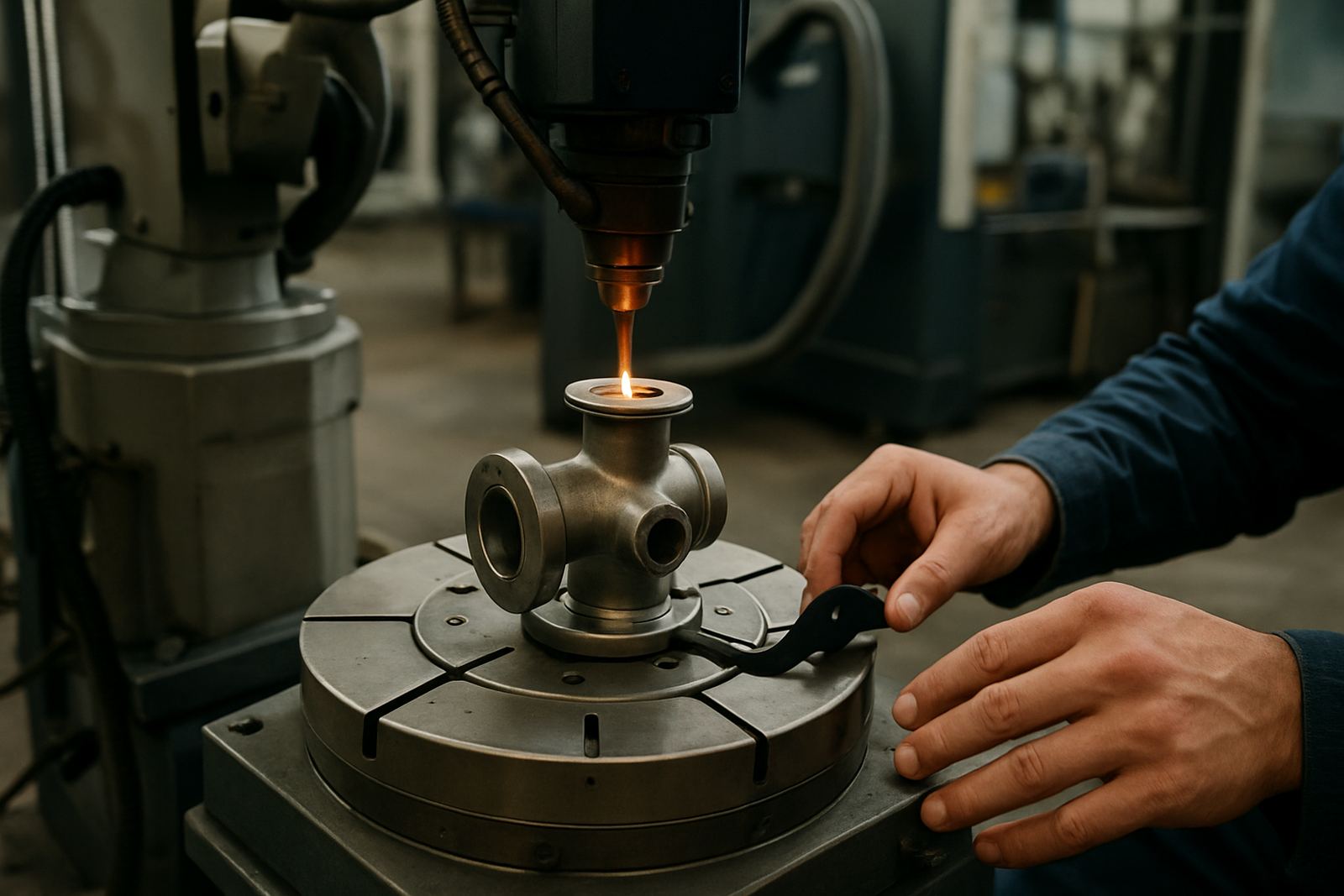
The Valve Seat Cell is used when a worn seat, ring face or sealing edge needs material added back before final machining or hand finishing. It is ideal for parts that must hold pressure, seat evenly or close up a leak path without distorting the base component. This setup is especially useful on components that have seen heat, vibration, corrosion or repeated service cycles.
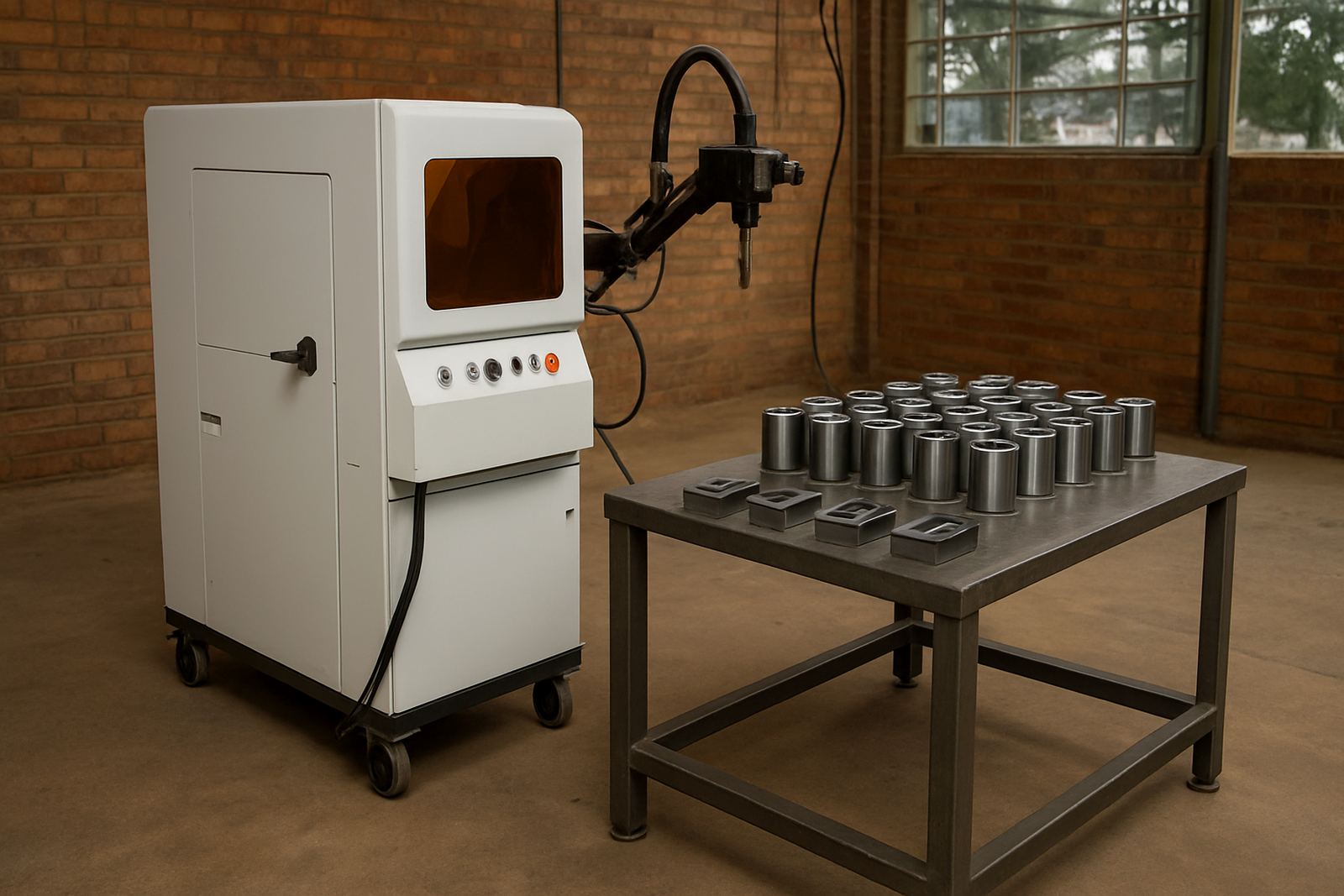
In a job-shop environment, the same cell can be used for one-off repairs and for repeat batches with similar dimensions. That makes it practical for maintenance teams and repair houses that need accurate rebuilds without sending simple parts back and forth. The focus is on localised build-up, tight control and a finish that leaves enough clean-up allowance for the next step.
Typical Parts And Applications
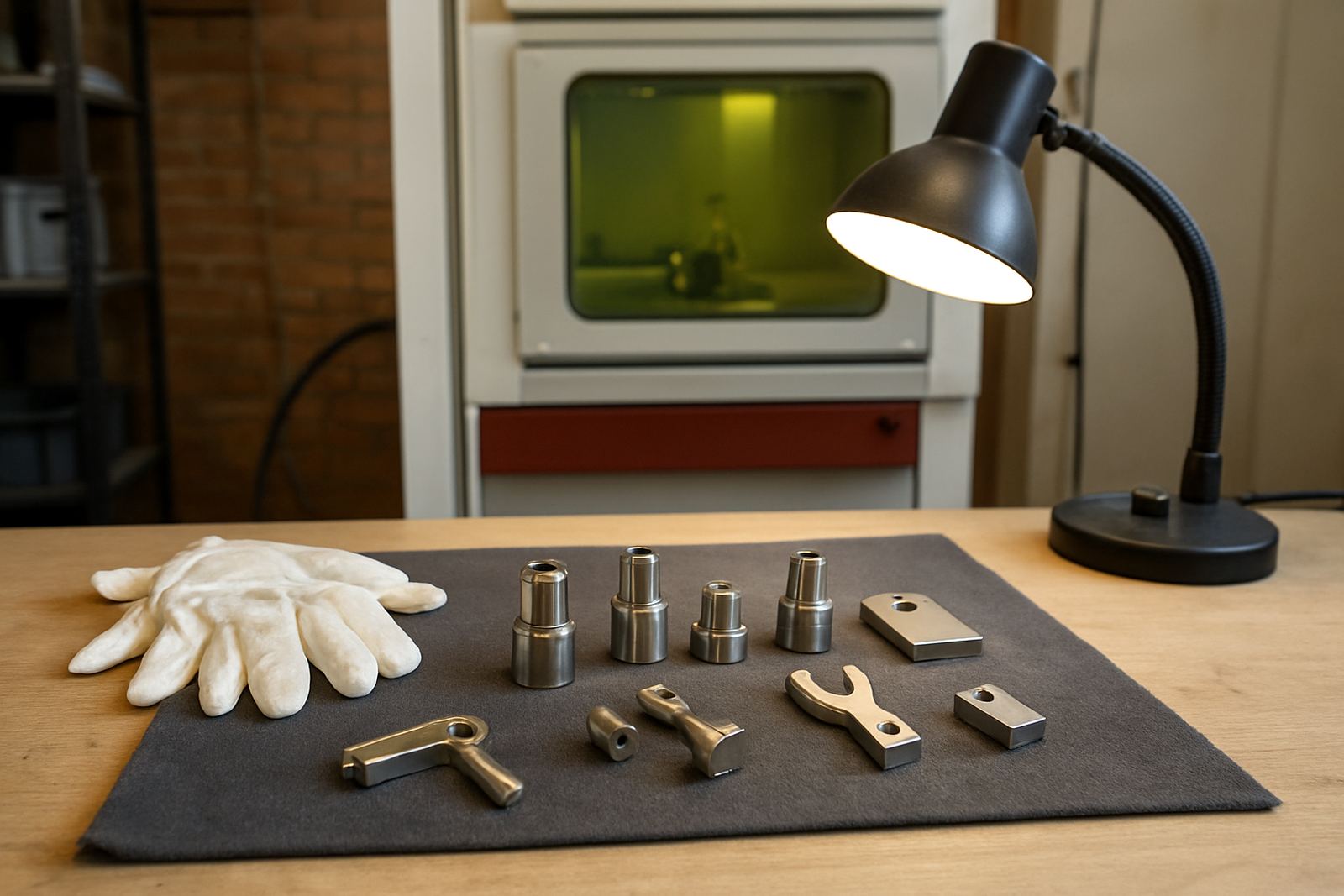
This cell suits parts with circular seats, sealing rings and machined contact areas that must be brought back to size. It is commonly used on industrial valve parts, pump-related components, hydraulic and pneumatic hardware, precision housings and other round wear surfaces. The process is also helpful where the worn section is small but sits on a more expensive component that should rather be repaired than replaced.
- Valve seats and sealing faces
- Circular wear rings and shoulder areas
- Machined bores with localised pitting
- Prototype parts needing repeatable build-up
- Batch repairs where the same fault keeps coming back
For Cape coastal work, corrosion and salt exposure are common causes of pitting, while inland sites often see wear from heat and dry cycling. The cell is suited to both, provided the part is cleaned properly and the parent material is identified before repair.
Size Range And Setup Options
The Valve Seat Cell can be configured around the size of the part being repaired, from small precision pieces up to larger circular components that still benefit from a controlled build-up process. The working envelope is planned around access, part rotation and stable clamping, so the technician can keep the weld line even all the way around. Smaller parts are easier to process quickly, while larger items may need staged passes and more careful heat control.
Options are chosen according to wall thickness, bore diameter and how much metal has to be recovered. Where needed, the setup can handle thin section parts that would normally warp or crack if heat input is not managed properly. A practical shop like ours also plans for repeat work, so the same cell can be adjusted for a batch of similar jobs without losing accuracy.
- Small precision seats for light industrial parts
- Medium repair parts for service workshops
- Larger circular faces needing controlled build-up
- Single-item or batch jobshop work
Power, Gas And Workshop Requirements
Installation is kept simple because this is a workshop repair setup rather than a fixed production line. The main needs are a stable work area, clean access, suitable extraction and a reliable electrical supply for the welding equipment and any supporting tools. For premises dealing with load-shedding, it helps to plan the repair schedule around power availability or provide backup power for essential equipment and lighting.
Shielding gas and consumables are selected according to the metal being repaired, the size of the part and the finish required. Stainless, tool steel and mixed-material repairs all need slightly different handling. If the part comes from a plant with oily contamination, machining swarf or coolant residue, allow for proper cleaning before work starts otherwise the weld can suffer porosity or poor fusion.
In Centurion and Pretoria East, many clients bring parts in directly for assessment, while Midrand and Rosslyn sites often send repeat items in batches. For farther locations, courier delivery is usually the easiest way to move components safely.
Care, Finishing And Servicing
After welding, the repaired seat normally needs machining, lapping or hand finishing depending on the tolerances and the final sealing requirement. The repair is only as good as the final finish, so the part should be inspected for concentricity, surface condition and any sign of heat movement. On pressure-related parts, the sealing line should be checked under the same working conditions where possible.
Routine care is straightforward. Keep the cell clean, check clamping surfaces for wear and make sure repeat parts are properly marked so the same correction can be applied each time. Any change in fit, noise, or uneven seating should be reported early because a small issue on a valve seat can become a bigger failure if left too long.
- Inspect the repaired surface before and after final machining
- Confirm there is enough build-up allowance
- Check for distortion on thin parts
- Record the original fault and the finished size
What To Check Before You Order
When you send an enquiry, include the part description, the material if known, the damaged diameter and the sealing or wear area that needs attention. Photos help, but measured sizes are better because they show how much material must be restored. If the part has cracked as well as worn, say so upfront so the repair route can be planned correctly.
It also helps to mention whether the part must fit back into an existing assembly, a standard seat or a matched pair. That saves time on rework and keeps the finished dimensions in line with the application. If there is a drawing, sample or old part on hand, send it with the job. That usually gives the cleanest result and fewer surprises later on.
- Part name and service application
- Material type, if known
- Damaged diameter and depth
- Required finished size
- Any crack, pitting or previous repair
- Location for collection, courier or return
Key facts
| Service focus | Rebuilding valve seats, sealing faces and circular wear areas |
|---|---|
| Typical part size | Small precision parts to larger workshop components, subject to access and clamping |
| Materials handled | Commonly stainless, tool steel, mild steel and selected aluminium repairs |
| Finish allowance | Set up for post-weld machining, lapping or hand finishing |
| Power needs | Stable electrical supply and workshop lighting, with backup planning for load-shedding |
| Location and service area | Centurion, Pretoria, Midrand, Rosslyn, Jet Park and nationwide courier jobs |