What The Microscope Welding Cell Does In A Job-Shop
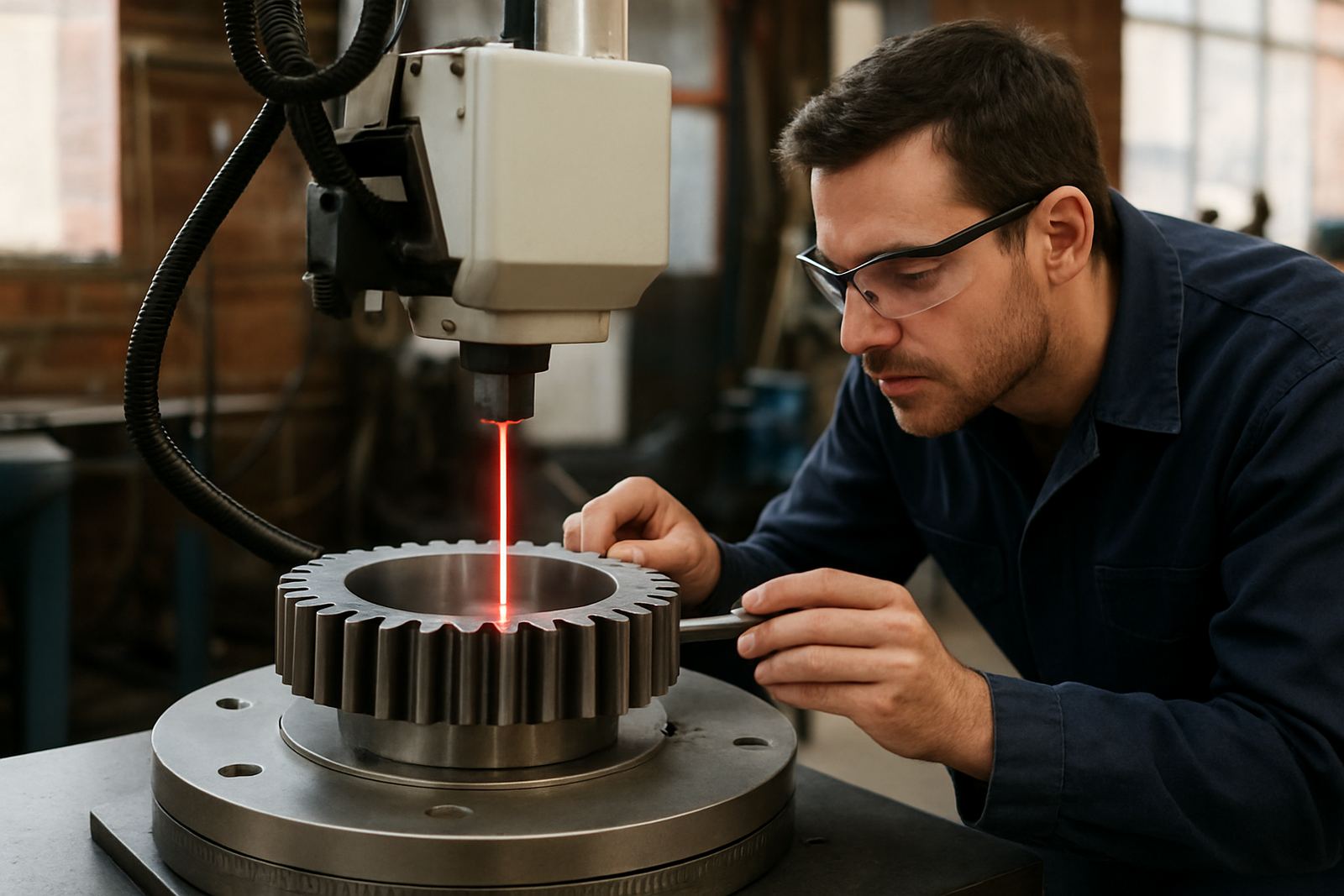
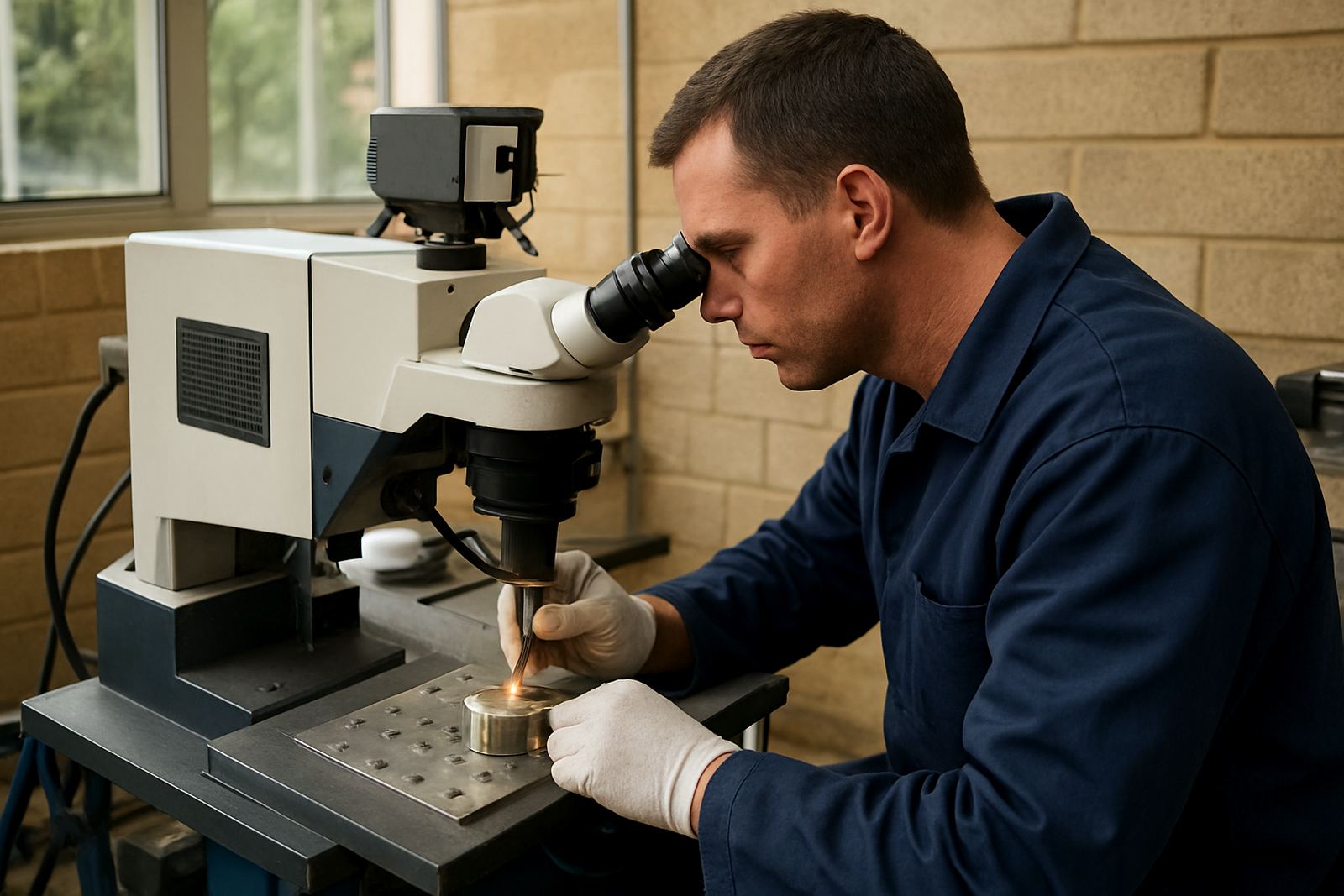
This cell combines a controlled laser source with magnified viewing so the operator can see the weld pool, edges and heat-affected area clearly while working by hand. It is used for repair work that is too fine for heavy conventional welding, especially on small components, worn edges, cracked details and parts that must keep their original shape. In a busy workshop, it helps with repeatable repairs where accuracy matters more than speed, though it still moves faster than re-machining in many cases.
At our Centurion base, the microscope welding setup is commonly used for one-off repairs, short production runs and prototype work. The operator can position the part on a stable table, use the magnified view to track each pass, then build material only where it is needed. That means less grinding afterwards and less risk of distortion on sensitive parts.
- Hand-guided laser welding with magnified viewing
- Suited to crack repair, edge build up and part restoration
- Useful where heat input must be kept tight and localised
Typical Sizes, Viewing Options And Work Envelope
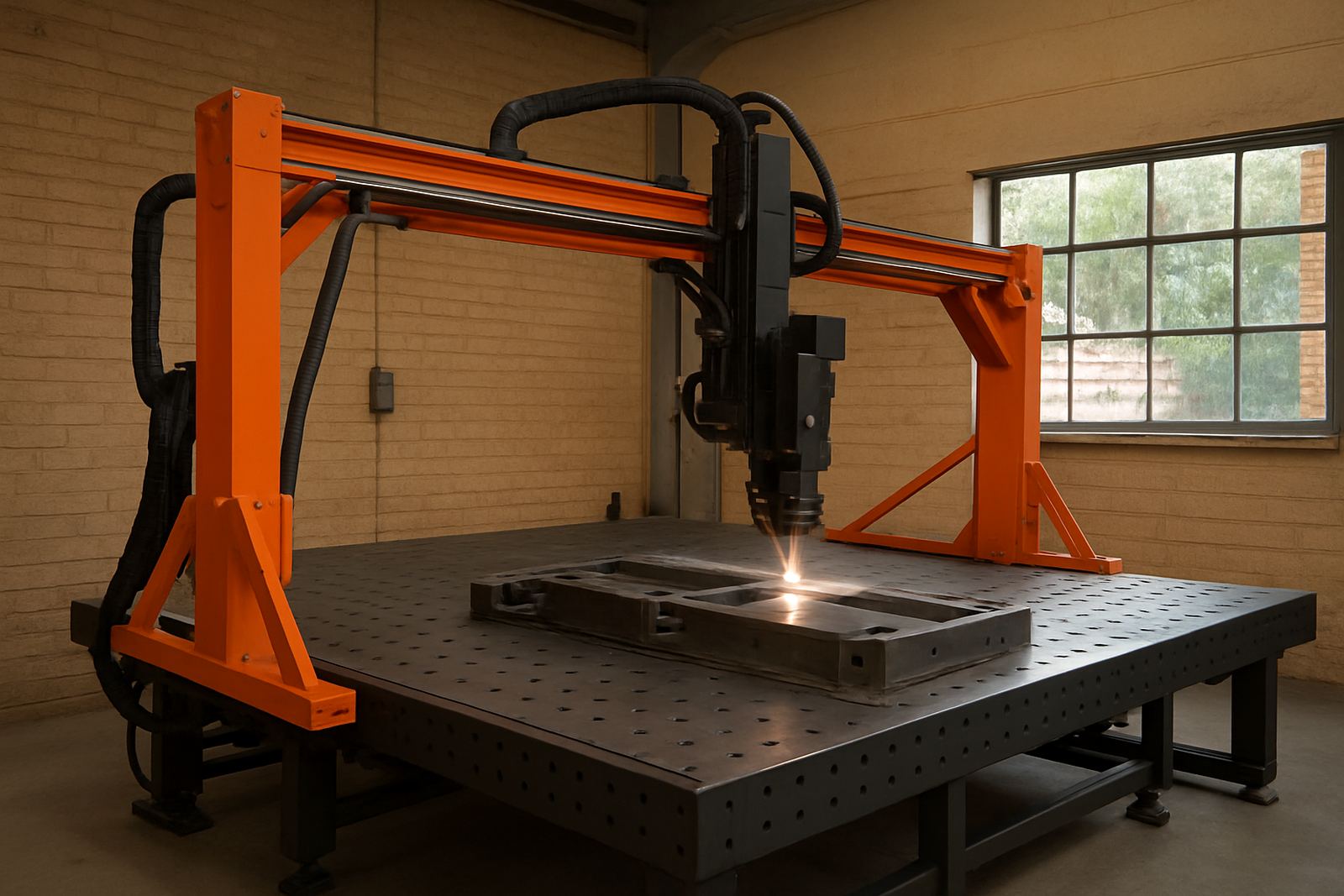
Microscope welding cells can be set up in compact workshop footprints or in larger stations for repeated job-shop work. The right choice depends on part size, how often the cell will be used, and whether the work involves fine details or slightly larger assemblies. A small cell is often enough for jewellery grade repairs, instrument parts and delicate tooling features, while a larger bench arrangement suits mould inserts, dies and general precision fabrication repairs.
Viewing systems are usually selected for the type of work being done. Some operators prefer fixed magnification for stable close work, while others need variable magnification for checking edges before and after each weld. Working distance and access around the part are important too, especially when the repair area is recessed or when clamps and fixtures must stay in place during the job.
- Compact bench cells for small parts and detailed repairs
- Mid-size stations for mould and die work
- Open access tables for awkward shapes and built-up parts
- Viewing can be fixed or variable depending on the repair type
Best Uses Across Repairs And Production Support
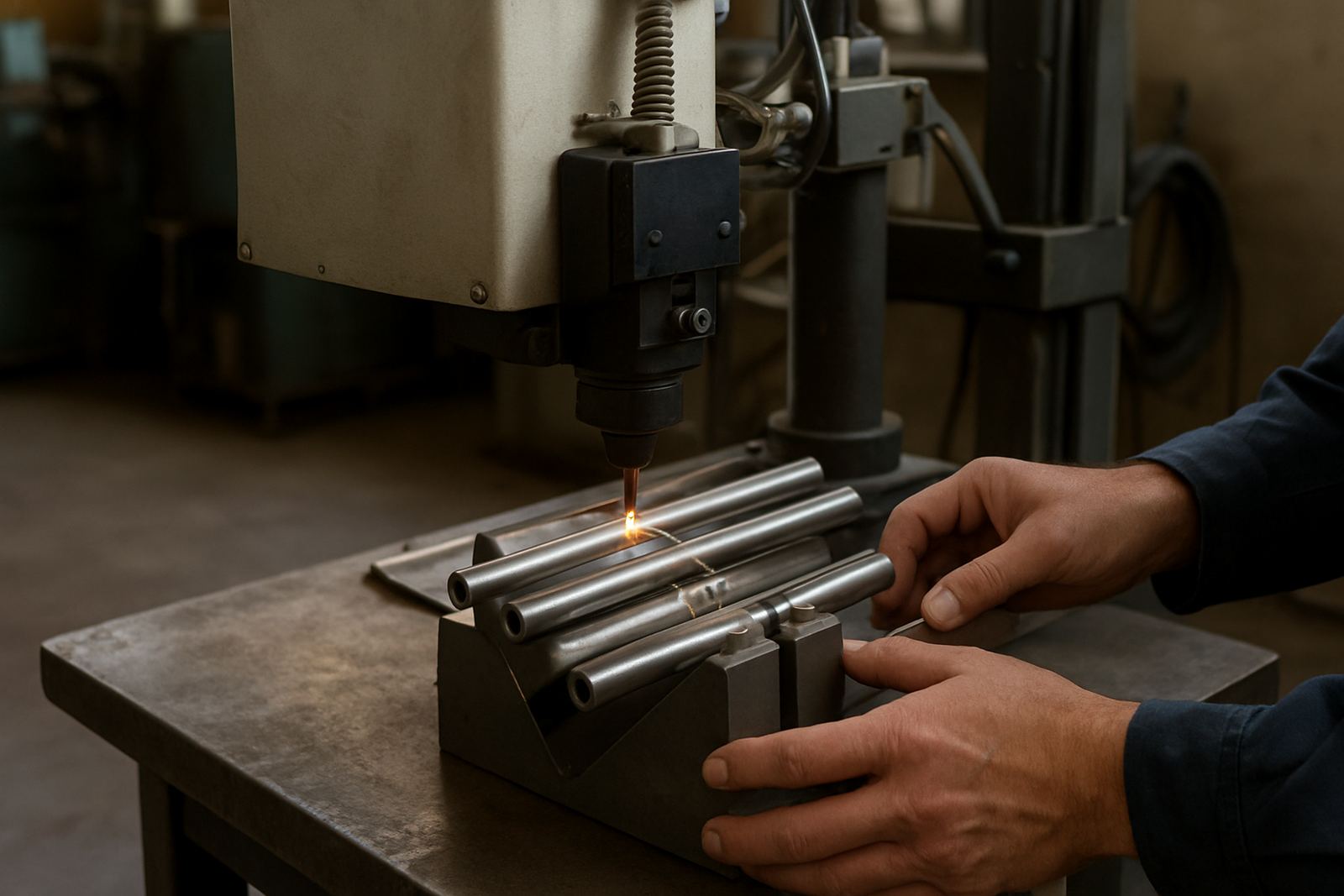
The microscope station suits work where the weld line is narrow, the part is valuable, or the customer wants repair rather than replacement. It is commonly used for stainless repairs, aluminium repairs and fine steel components. The same setup also helps on prototype joining, because the operator can make small corrections quickly when a new part does not quite fit first time.
This is not only for specialist one-off jobs. We also see it used in batch jobshop work where repeat repairs must hold to the same standard from one part to the next. In Gauteng, many clients bring in tooling from manufacturing plants in Rosslyn, Jet Park and Midrand. Some parts arrive after shifts have been affected by load-shedding or machine stoppage, so the repair window is short and the part needs to go back into service fast.
- Precision laser welding for thin and detailed sections
- Crack repair on worn or stressed areas
- Mould and die touch-up work
- Prototype joining and batch repair runs
Installation, Power And Gas Requirements
A microscope welding cell needs a stable floor, enough bench space and good positioning for the operator. The station should sit where lighting is controlled and the surrounding area is kept clean from grinding dust and oil mist. In many workshops, it is best placed away from heavy forklift traffic and vibration from press equipment. A clean, dry room is preferred because fine optics and hand controls do not like dirt or coastal humidity.
Power requirements depend on the laser unit and cooling arrangement. Most setups need a reliable single or three-phase supply, plus proper earthing and surge protection. In South Africa, this matters when the supply is unstable or when generators are brought in during outages. Some repairs also need shielding gas to keep the weld clean and help control finish. The exact gas type and flow rate depend on the material, the weld size and how fine the repair is.
- Stable bench or floor-mounted station with low vibration
- Reliable electrical supply with earthing and surge protection
- Cooling provision where required by the laser system
- Shielding gas supply for clean repair work
Care, Cleaning And Servicing Between Jobs
Because this is a precision station, daily care makes a real difference. The viewing lenses, protective windows and hand controls should be kept clean, and any metal dust should be removed before it settles into moving parts. Operators should check the table, clamps and cable runs before starting a shift, especially where the same setup is used for several different jobs in a day.
Regular servicing helps keep alignment correct and prevents avoidable downtime. A workshop that handles stainless and aluminium repairs should also watch for contamination from previous work. Even small marks on the optics can affect visibility and operator comfort. If the station is shared between technicians, it is worth keeping a simple log of service dates, filter changes and any adjustments made after heavier jobs.
- Clean optics and covers daily
- Check clamps, table stability and cable condition
- Remove dust, spatter and grinding residue after use
- Keep a service record for alignment and filter changes
What To Check Before You Order
Before ordering a microscope welding cell, it helps to define the smallest and largest parts you plan to repair, the type of material most often handled, and whether the station will be used for one operator or several. You should also confirm how much working space is available, whether the room has suitable power, and if the repairs will need gas support or extra cooling. If the parts are long, awkward or heat-sensitive, say so upfront so the cell can be matched properly to the job.
It is also wise to check how the parts will be loaded and unloaded. In some Pretoria and Centurion workshops, parts move in from collections, then out again by courier the same day. That means the cell has to be practical, not just precise. If you know the part weight, the fixture style and the level of finish needed after welding, you can avoid ordering a station that is either too small or more complex than the work justifies.
- Smallest and largest part dimensions
- Material type and thickness range
- Power availability and backup plans during outages
- Need for gas, cooling and fixture support
Key facts
| Station type | Manual laser welding cell with magnified viewing |
|---|---|
| Primary use | Precision repairs, build-up work and part restoration |
| Part size range | Small precision components up to larger bench repair jobs |
| Materials | Steel, stainless steel and aluminium applications |
| Utilities | Electrical supply, earthing, optional shielding gas and cooling where required |
| Typical workshop fit | Centurion, Pretoria East, Midrand, Rosslyn, Jet Park and nationwide courier jobs |