Built For Clean Seam Work On Enclosures
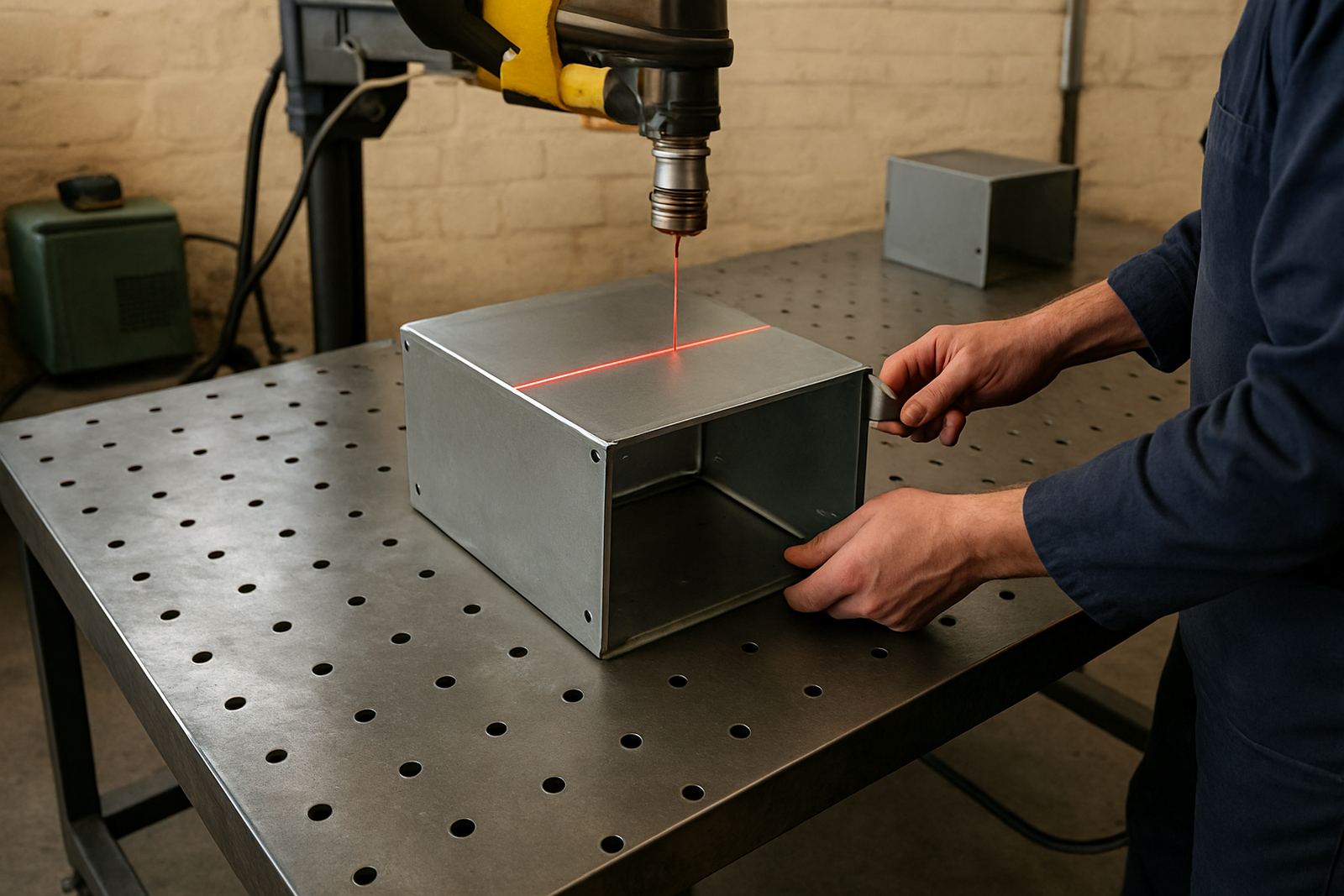
The Enclosure Seam Cell is used where a straight, tidy seam is needed on sheet metal housings, covers, access panels and fabricated boxes. It is suited to parts that need less grinding afterwards and a cleaner finished edge, especially when the item must still fit seals, hinges, latches or fasteners after welding.
At our Centurion workshop we use this setup for stainless, mild steel and aluminium components, depending on thickness and joint condition. It is a practical option for workshop-fabricated items, replacement panels, equipment covers and light industrial enclosures that need repair or assembly without heat distortion getting out of hand. For customers around Pretoria, Midrand, Rosslyn and Jet Park, this often means faster turnaround and less rework.
Typical Sizes, Formats And Options
The enclosure seam cell is arranged for small to medium parts, with enough access for most sheet-metal assemblies used in industrial, mechanical and electrical work. Part size depends on geometry, but the process is commonly used on components from hand-sized housings up to larger fabricated sections that can be handled safely in the workshop.
- Material thickness: typically from 0.5 mm to 6 mm, subject to joint type and material condition
- Materials: mild steel, stainless steel and selected aluminium parts
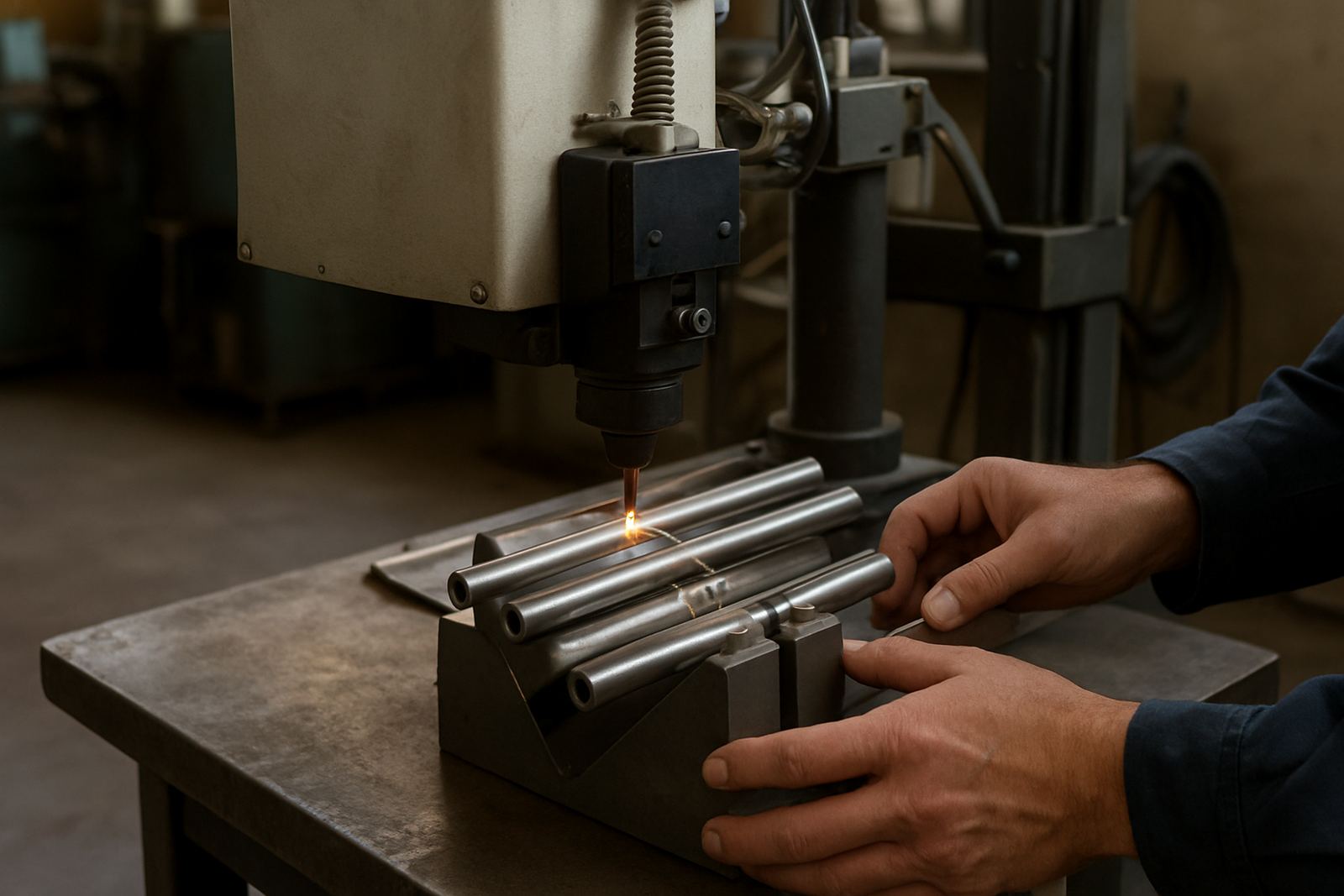
- Joint types: lap seams, corner seams, edge repairs and local build-up
- Finish options: weld only, light dressing, or prepared for further painting and coating
- Job types: one-off repairs, prototype joining, and batch jobshop welding
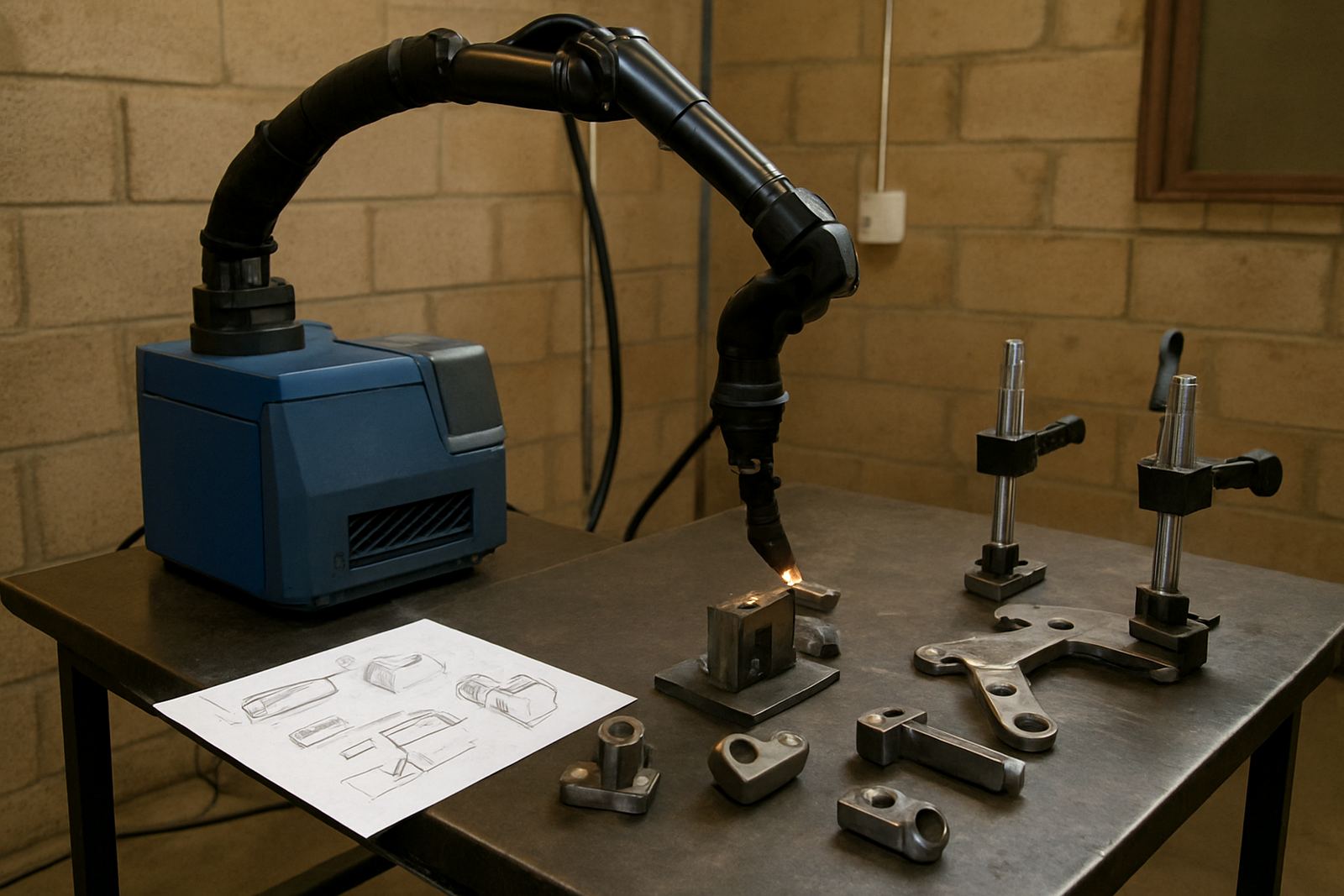
Where a customer has a repeat item, we can work from a sample part, drawing or physical pattern. If there are critical dimensions, include them up front so the welding plan can be set to suit the fit-up and the final tolerances.
Where This Cell Suits Best
This product suits industries that need neat enclosure welding without over-heating the full component. It is commonly used for electrical boxes, control housings, pump covers, machine guards, instrument cases, access covers and fabricated panels. It is also useful on damaged housings that need crack repair, edge build up or part restoration before returning to service.
The seam cell is a sensible choice when the item has visible outer faces and the finish must stay orderly. It can help where distortion would affect door alignment, gasket seating, hinge position or mounting points. In coastal areas such as Durban and Gqeberha, stainless repairs and aluminium repairs are often requested because moisture and corrosion can make standard repair methods less suitable over time.
- Best for repeatable seams where appearance matters
- Useful on repair work where only a local area should be heated
- Suitable for batch jobs with consistent dimensions
- Handy for prototype joining before full production runs
Installation, Power And Gas Needs
The enclosure seam cell is workshop based and does not require a permanent on-site installation at the customer’s premises unless a specific job calls for collection, delivery or on-site assessment. Most work is handled through our Centurion base, with collections from Midrand and support for Pretoria East, Rosslyn and Jet Park. Nationwide courier jobs can also be arranged where the part can be packed safely.
Power and shielding gas requirements depend on the material, thickness and joint profile. For most seam welding applications, a stable electrical supply, clean work area and correct shielding gas are important for consistent results. If a part is sensitive to contamination, oil or old paint, it should be cleaned before delivery. Load-shedding planning also matters, so if the job is urgent, let us know the deadline early and we will confirm the best workshop slot.
- Stable mains power required for workshop processing
- Shielding gas selected to suit the metal and finish
- Clean edges and good fit-up reduce rework
- Parts should be drained, degreased and free of loose scale where possible
Care, Servicing And Ongoing Use
Because enclosure parts often go back into service, care after welding matters. Once the seam is complete, we check for distortion, pinholes, fit against mating parts and whether the seam needs any dressing. If the item will be painted or powder coated, the surface should be prepared according to the next process in line. For stainless items, avoid introducing contamination from carbon steel tools or dirty handling after the repair.
Regular servicing of the component itself can reduce repeat failures. Loose hinges, over-tightened fasteners, misaligned latch points and poor support brackets often cause cracks to return. If the same part keeps failing, it is worth looking at the root cause instead of only welding the crack again. We can help assess whether edge build up, a gusset repair or a full seam rework is the better option.
What To Check Before You Order
Before sending a part in, check the dimensions, material type and the condition of the damaged area. If there is an existing drawing, include it. If not, a clear photo with a ruler, plus notes on the problem area, is often enough to start. For enclosure work, we also need to know whether the part must stay square, whether there are gasket faces, and whether any holes, latches or threaded inserts must remain untouched.
- Material type and thickness
- Overall size and access to the seam
- Whether the part must remain air tight, dust tight or water resistant
- Any finish requirements after welding
- Quantity required for batch work
- Collection point or courier details for nationwide jobs
If your enclosure is from a production line, bring a spare sample if available. That helps us compare fit, clamp points and alignment before work starts. For urgent orders, send a message through our contact form and include your town, quantity and preferred turnaround.
Service Scope Across Pretoria And Beyond
We are based in Centurion and handle enclosure seam welding for clients across Pretoria, Midrand, Rosslyn, Jet Park and surrounding industrial areas. For larger production runs, we can support batch welding work and coordinate collection or dispatch. Smaller repairs are welcome too, especially when a part is difficult to replace and only needs careful restoration rather than full remanufacture.
Whether it is a thin cover, a fabricated cabinet, or a heavier housing used in plant rooms or workshop equipment, the goal stays the same: a neat seam, correct alignment and a part that can go back into service with confidence. If you are not sure whether the enclosure seam cell is the right fit, send through the part details and we will advise on the best process for the job.
Key facts
| Process | Precision laser welding for seam work on housings, covers and fabricated enclosures |
|---|---|
| Material range | Mild steel, stainless steel and selected aluminium parts |
| Typical thickness | 0.5 mm to 6 mm, depending on joint type and material |
| Part size | Small to medium components, subject to safe handling and access |
| Power needs | Stable workshop mains supply, confirmed per job |
| Gas needs | Shielding gas selected to suit material, seam type and finish |