When a housing must stay neat, sealed and conductive
Electronics housings often look simple until the first repair or modification comes in. A small enclosure may need a new bracket, a crack closed after handling damage, or a worn edge built up without warping the mounting face. In Pretoria, Midrand and industrial areas like Rosslyn and Jet Park, clients usually need work done on metal boxes, sensor covers, instrument bodies, shielding housings and small conductive cases where appearance matters as much as fit.
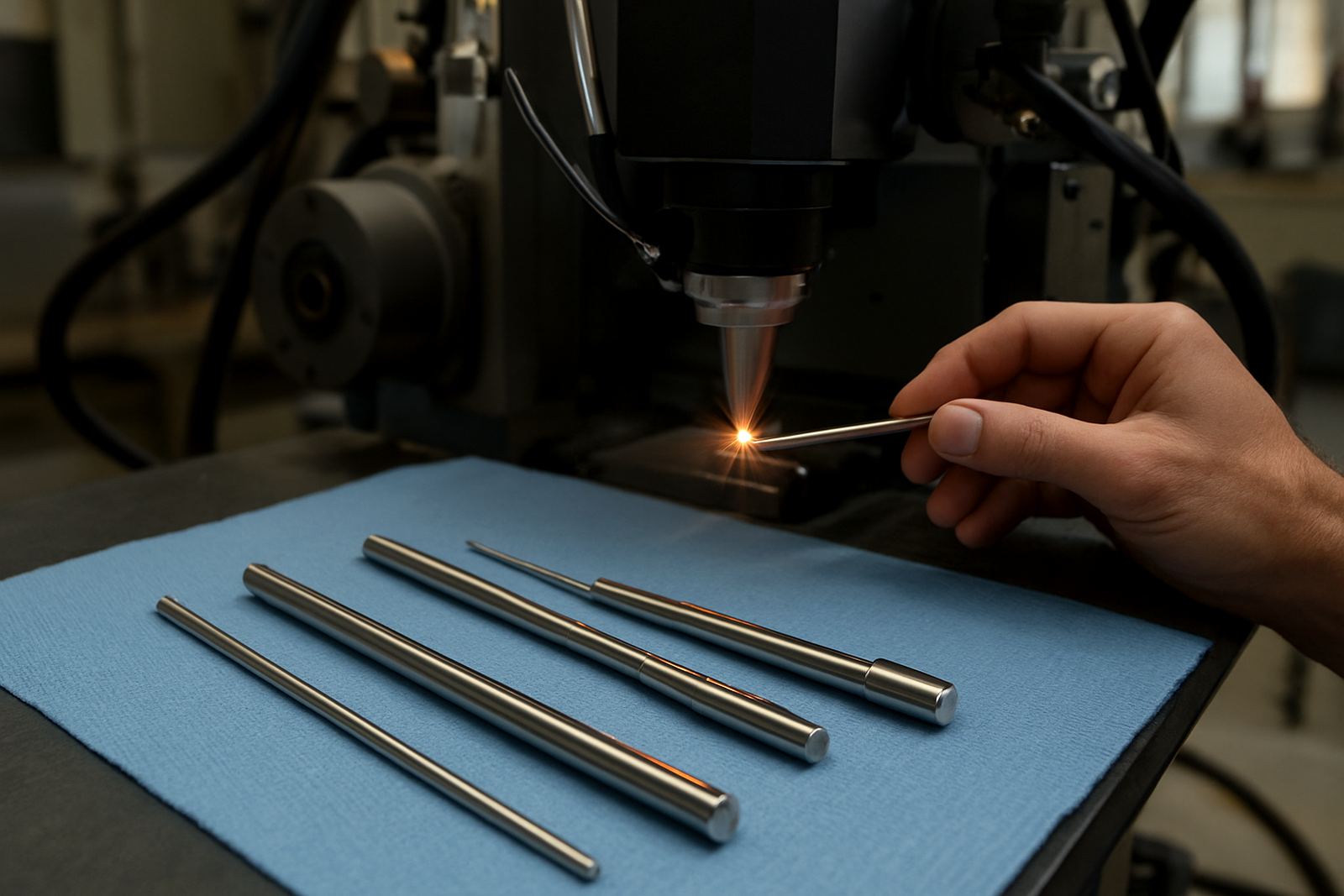
Laser welding suits these jobs because it puts heat exactly where it is needed. That helps keep lids flat, thread holes usable and internal clearances intact. It is useful for stainless steel, aluminium and other thin section parts where ordinary welding can cause distortion, burn-through or extra clean-up. On housings that must still close against dust or moisture, that control makes a real difference.
We see these jobs from workshop teams, maintenance departments, manufacturers and engineers who need one-off repair work or repeat batches. Some parts come in after vibration damage, others after poor earlier repairs, and some arrive because a prototype needs a stronger joint before production. The aim is always the same: keep the housing working, keep it tidy, and avoid more machining than needed.
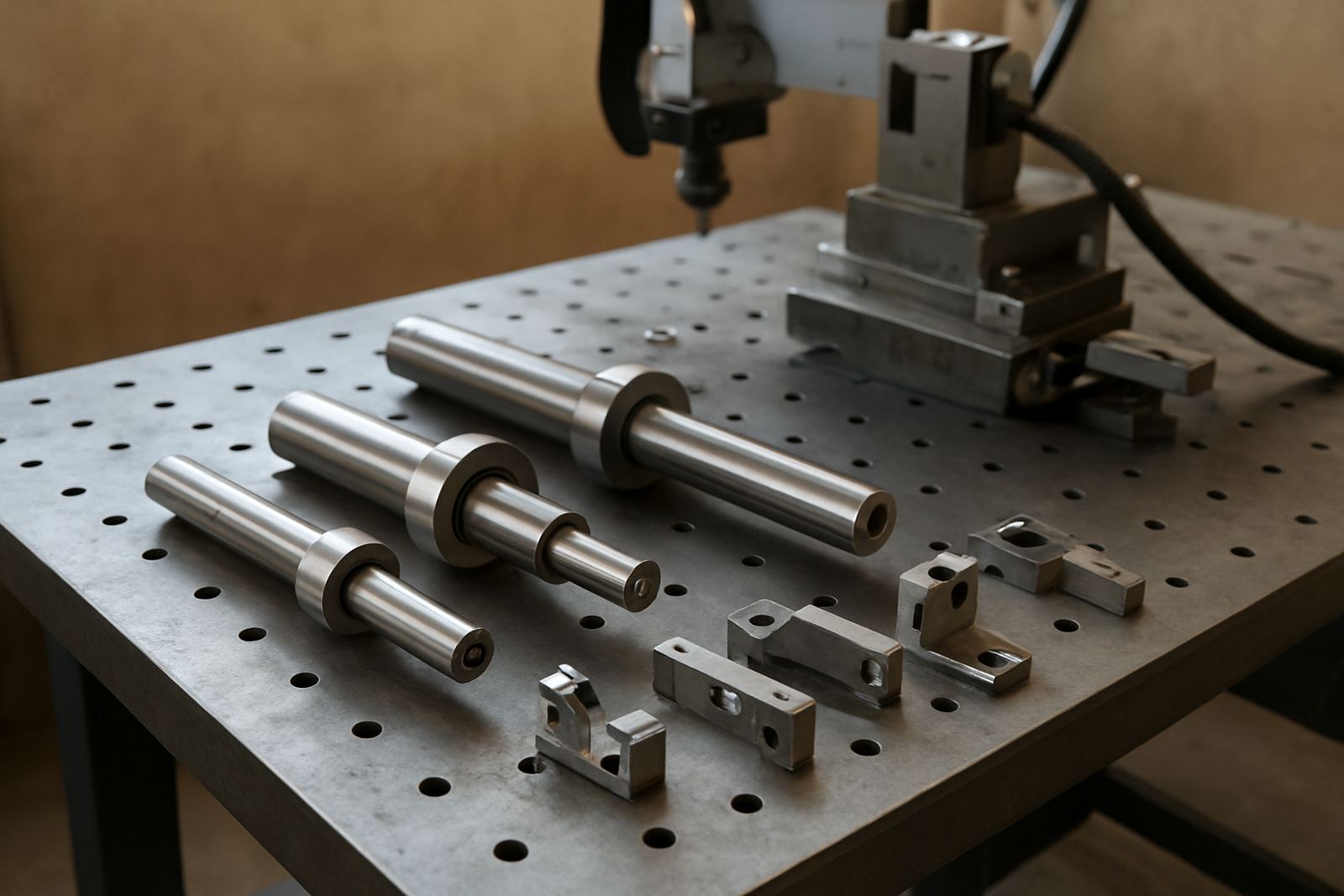
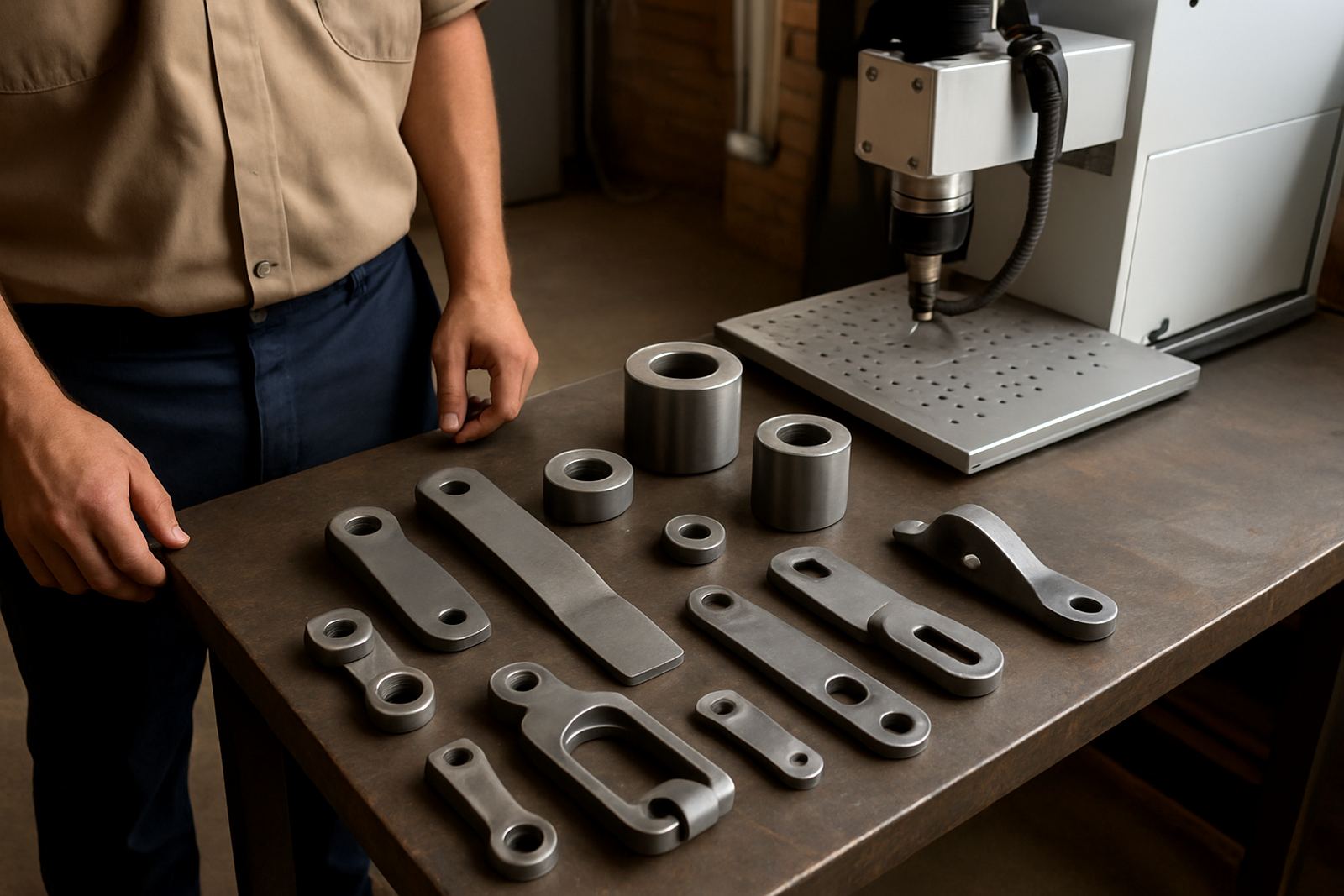
Typical equipment and parts that come through the workshop
Most electronics housing work is light-gauge and detailed. Parts are often small enough to fit in one hand, but the tolerance expectations are tight. A slight twist on the lid frame can stop seals from seating correctly and a poor weld finish can interfere with connectors, fasteners or earth points.
Common items include:
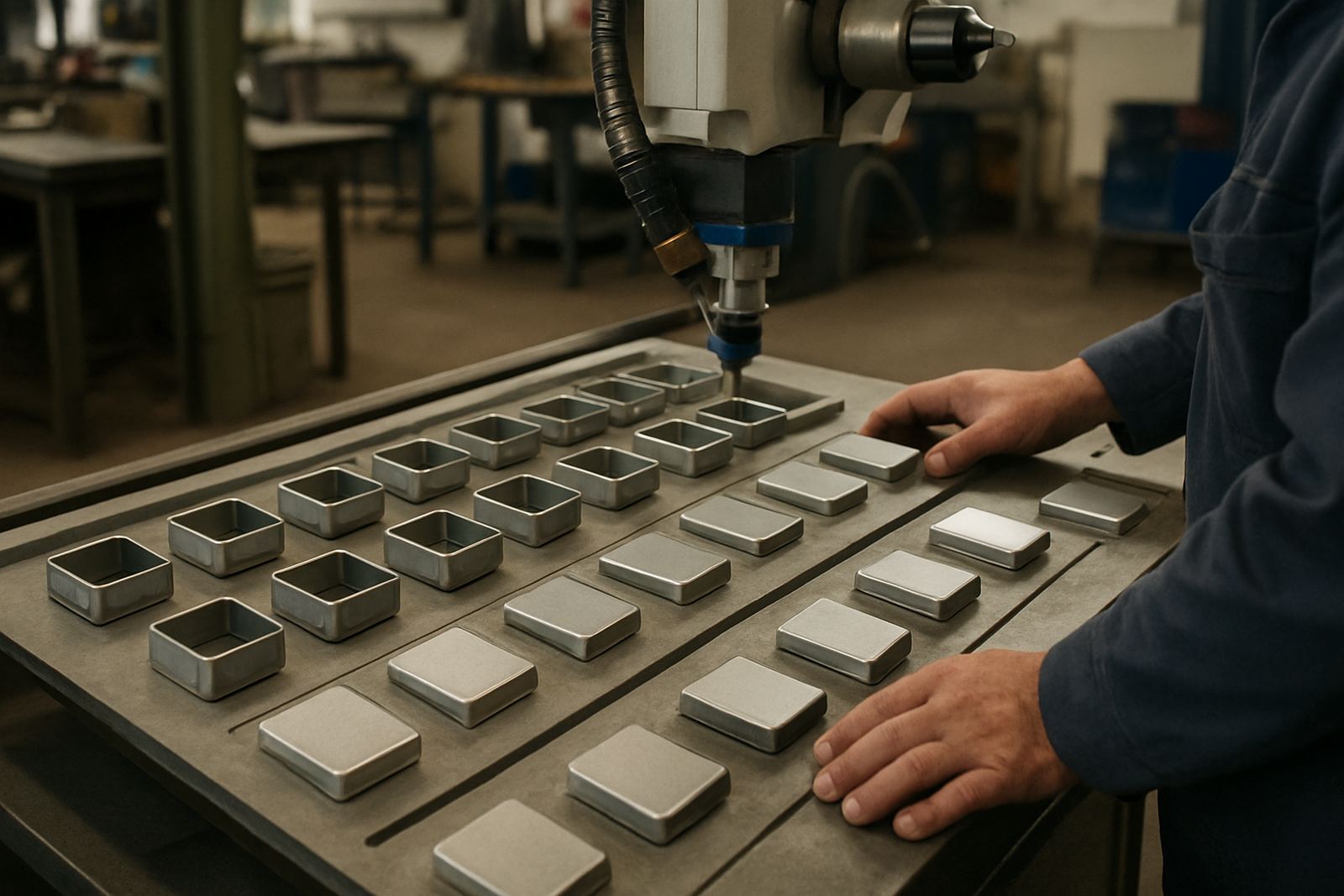
- Small metal enclosures for control gear and monitoring units
- Sensor housings and protective covers
- Conductive cases that need continuity maintained across the join
- Thin stainless or aluminium panels with cracks or pinholes
- Prototype shells and sample parts for test builds
- Mounting tabs, flanges and cable entry areas that have split or worn
In many cases the part does not need a full rebuild. It may only need edge build up, a crack stop drilled and sealed, or a tiny section restored so a fastener can hold again. That is where careful laser work saves time and keeps the component close to original size. For sensitive assemblies, we often work from drawings, samples or photos first so the job plan is clear before the torch comes out.
Layout and planning advice before the first weld
Good results start with proper planning. With electronics housings, the most important question is not only can it be welded, but what else sits nearby that may be affected by heat. Internal brackets, plastic inserts, insulation liners, terminals and painted surfaces can all change the setup. If those items can be removed first, the repair is usually cleaner and quicker.
Before sending a part in, it helps to check these points:
- Confirm the material type, thickness and whether the part is stainless, mild steel or aluminium
- Note which faces must stay flat for lids, seals or gaskets
- Mark any earth points, thread holes or machined edges that must be protected
- Tell us if the enclosure has already been painted, powder coated or plated
- State whether the part is for indoor use, outdoor use or a coastal site
For jobs in Durban, Gqeberha or other humid coastal areas, corrosion resistance matters a lot. Salt air can shorten the life of a poor repair, so joint quality and finish need attention from the start. For site work around Gauteng, load-shedding also matters because equipment that depends on clean power or timing may be sensitive to interruptions, so collection and turnaround planning should be done with that in mind.
Common mistakes that turn a small repair into a bigger problem
The most common mistake is sending in a housing without removing heat-sensitive internals. A neat weld on the outside can still damage what sits behind it. Another problem is assuming the part is just cosmetic when it actually carries a grounding function or provides the seal face for the whole assembly.
Other issues we see regularly include:
- Over-grinding after welding, which leaves the face uneven
- Using the wrong filler approach for thin sections
- Trying to bridge a crack without stopping its end first
- Ignoring distortion around threaded holes and slots
- Mixing materials on the same part without checking compatibility
For batch jobshop work, one poorly prepared sample can slow down the whole run. If the first part is not checked against the actual fit-up, the same issue can repeat across ten, twenty or more housings. It is much better to spend a little time on the first piece than to rework the lot later. A short call or clear drawing before collection often prevents that.
What the repair or batch job usually costs
Budget depends on material, access, thickness, finish requirements and how much preparation is needed. A small crack repair on a simple enclosure can be relatively modest, while a part that needs edge build up, alignment checks and post-weld finishing will cost more. If a housing arrives with damaged mounting points or distorted faces, extra time is needed to bring it back into spec.
As a general guide, simple electronics housing repairs may start from about R450 to R900 per part. More detailed work on thin stainless or aluminium housings often falls in the R900 to R2 500 range, depending on size and condition. Prototype pieces and awkward one-off repairs can sit above that if the setup is tricky or if multiple passes are needed. Batch jobs are usually quoted per piece or as a lot, which helps when there are repeat parts and fixed dimensions.
For clients in Centurion, Pretoria East, Midrand and nearby manufacturing zones, collection can sometimes keep transport costs low. Nationwide courier jobs are also handled when the part is packed properly and the description is clear. If the item is expensive or fragile, it should be boxed with padding and labelled so the receiving team can identify it easily.
How we handle small housings from first check to final return
Our process starts with the condition of the part and the end use. A sensor cover for indoor use is handled differently from a field enclosure exposed to dust, vibration and weather. Once the part is assessed, we confirm the repair method, expected finish and any measurements that must be held. If needed, we can work from one sample part and then repeat the same method across a batch.
Laser welding is often the right choice when the housing must stay accurate and tidy after the repair. It allows careful work on small seams, corner joints and localised damage without putting too much heat into the rest of the assembly. That matters when the enclosure still has to close properly, keep its electrical function and look acceptable once it goes back into service. For many clients, that is the difference between a quick fix and a part that can be returned to use with confidence.
We operate from Centurion and support Pretoria, Midrand, Rosslyn, Jet Park and nationwide job-shop work by courier. If you have a housing that needs repair, restoration or a small production run, send the details and include the material, dimensions and any critical fit points so we can quote accurately.