When a farm part is worth repairing, not replacing
In agriculture, the problem is rarely only the crack or worn edge. It is the downtime, the lost harvest window, and the wait for a part that may come in from another province or even overseas. We help when a component is still structurally sound but needs accurate build-up, crack repair or a worn section restored so it can keep working.
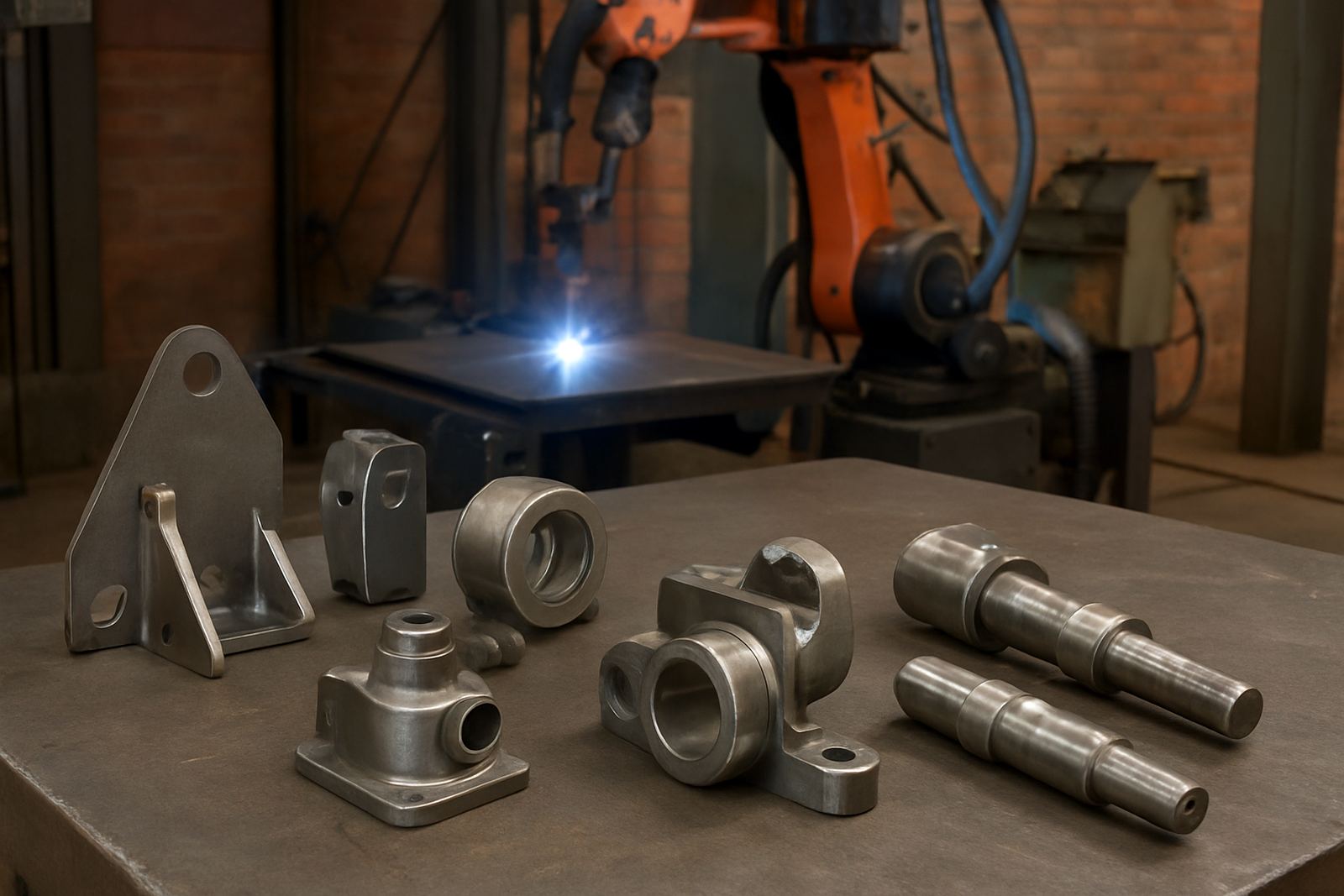
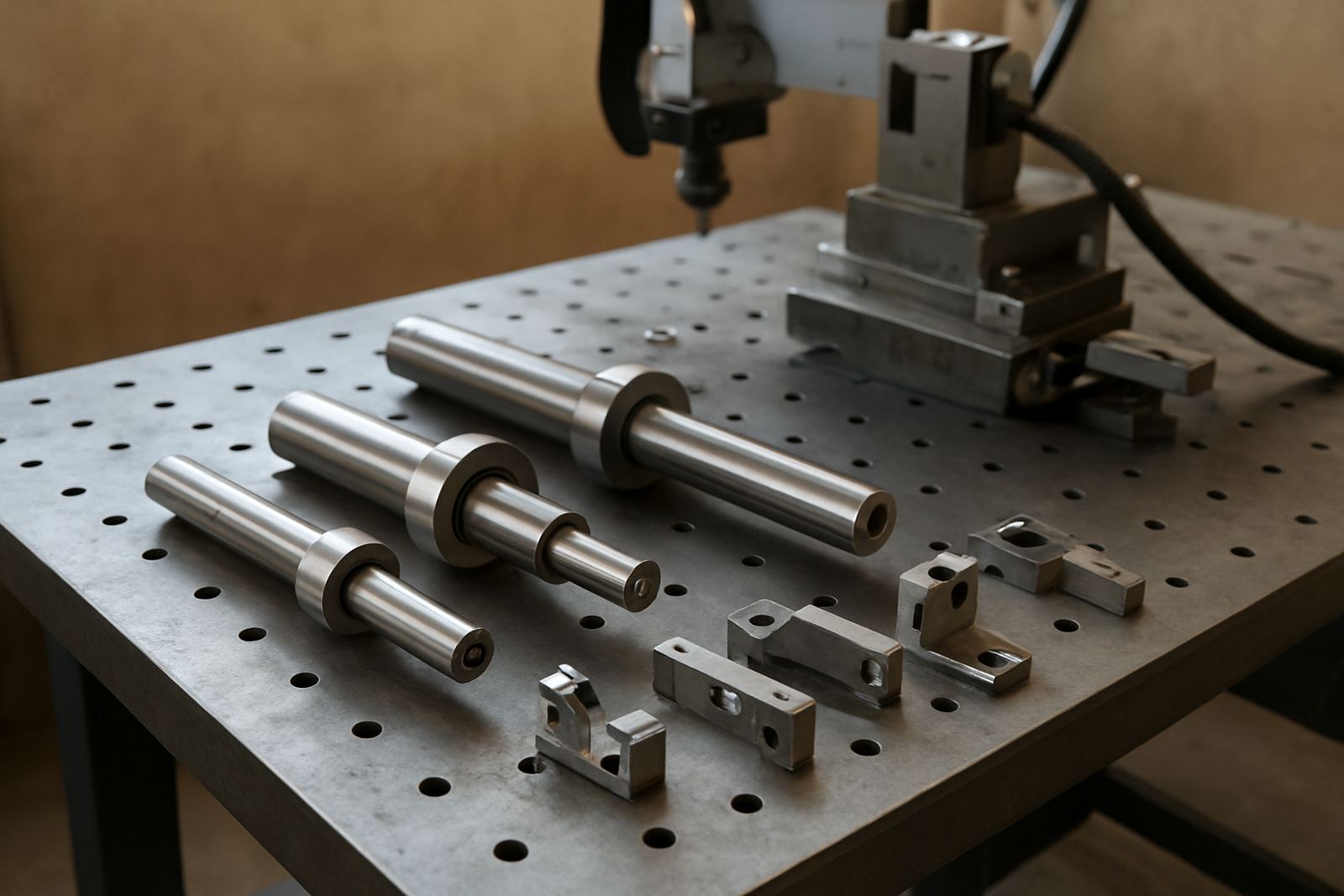
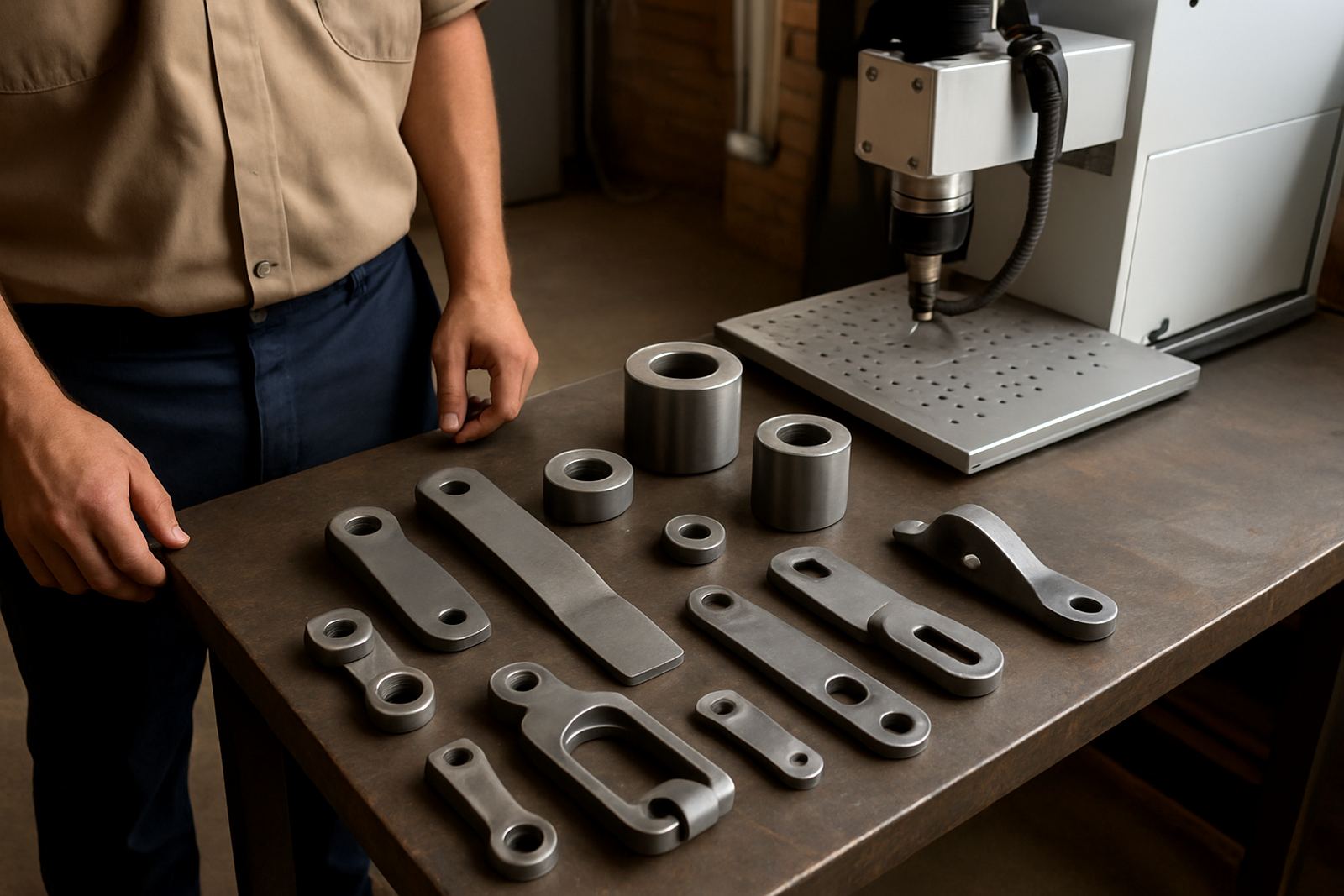
Typical calls come from irrigated farms around Pretoria North, Delmas and Cullinan, as well as packhouses, feed mills and fruit handling lines. Common parts include shafts, brackets, housings, knives, guides, coupling faces, mounting lugs and small precision fittings that sit inside bigger equipment. In many cases the original part is no longer stocked, or the machine is old enough that a replacement would take weeks. That is where repair starts making sense.
Typical agricultural parts we see in the workshop
Agricultural equipment often works in dust, vibration and wet wash-down conditions. That mix is hard on metal, especially where there is repeated movement or a thin section carrying load. We repair parts from tractors, seed and fertiliser handling equipment, sprayers, conveyors, sorting equipment and processing plant hardware.
- Worn shafts, pins and locating faces
- Cracked brackets, tabs and mounting points
- Stainless components affected by corrosion near water and fertiliser
- Aluminium parts used in light-duty frames and housings
- Thin sections that distort easily if handled with heavier welding methods
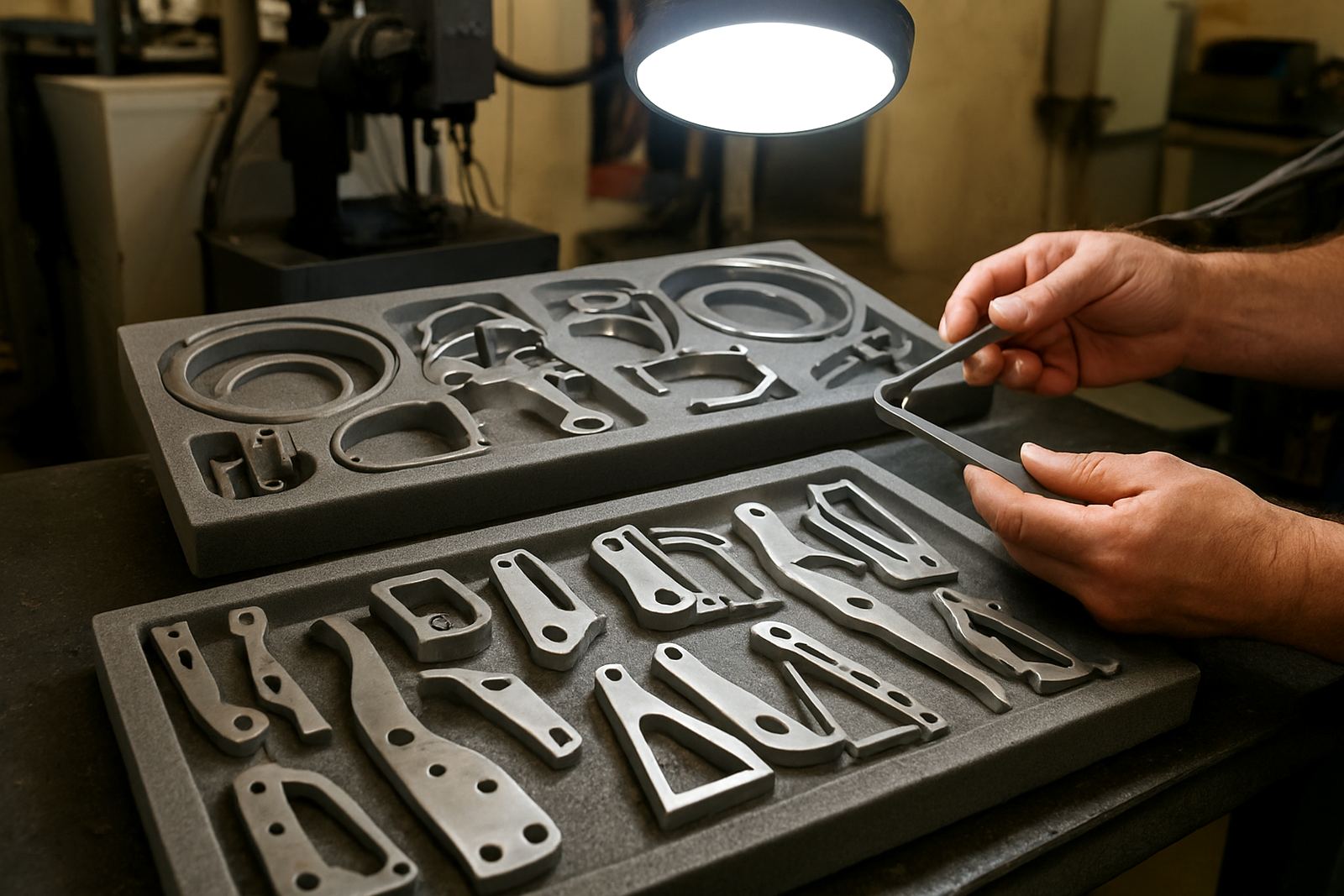
- Mould and die items used in packaging or processing support equipment
For farms near Highveld and across Mpumalanga or Limpopo, transport moisture and dust can make surface prep more important than people expect. Rust, oil and fertiliser residue must be removed properly before any repair starts.
How we plan a repair job so it goes back into service properly
Good repair work begins with the way the part is measured and mounted. If a hole, face or edge is built up too much, the component may fit, but it will wear quickly or create alignment issues elsewhere in the machine. Our workshop team checks the damaged section, the surrounding material and the load path before deciding on the repair method.
For agricultural parts we often recommend a simple planning order: inspect, clean, measure, repair, machine if needed, then test fit. That keeps the job practical and reduces repeat work. On some items, especially repeated batch jobs, it helps to send 2 or 3 sample parts so we can compare wear patterns and set tolerances for the rest of the run.
- Mark the worn or cracked area clearly before collection
- Send photos of the full assembly, not only the damage
- Give the original dimensions if the part must return to a tight fit
- State the operating environment, such as wash-down, slurry, fertiliser dust or outdoor exposure
- Tell us if the part carries load, vibration or rotating stress
Common mistakes that make agricultural repairs fail early
Many repair failures start with poor information rather than poor workmanship. A part arrives with no reference dimensions, no sample mating piece, and no note about the machine it came from. The result can be a repair that looks sound but does not fit once it gets back to the farm.
Another common issue is trying to weld over contamination. Grease, paint, soil and fertiliser residue can all affect the finish and the strength of the repair. On stainless and aluminium parts, contamination is even more unforgiving. We also see damage caused by over-heating thin sections, which can pull a component out of shape and force extra machining later.
For jobs coming from areas like Brits, Rustenburg or the East Rand, courier packaging matters too. Loose parts that knock against each other in transit can gain new nicks or bends before the repair even starts.
Budget ranges for farm and processing components
Repair pricing depends on size, material, access to the damaged area and how much build-up is needed. A small crack repair on a simple bracket will cost far less than restoring a precision shaft face or rebuilding a worn stainless component. If a part needs fixturing, post-repair dressing or multiple passes, the cost rises accordingly.
As a rough working guide, smaller agricultural parts often start from about R650 to R1 800. Mid-sized repairs and more exact restoration work usually fall between R1 800 and R4 500. Larger or repeat batch jobs can range from R4 500 upwards, depending on quantity and complexity. For courier work nationwide, add packing and transport. If the part is urgent and needs priority handling, tell us upfront so we can plan the sequence and minimise machine stoppage.
Where the work comes from and how to send it in
Our Centurion base supports walk-in and collection-based work, while Pretoria East, Midrand, Rosslyn and Jet Park help with access for industrial clients. For farming customers, courier jobs are often the easiest option, especially when the part is small but critical. We regularly receive items from Free State grain operations, Mpumalanga processing plants and Limpopo farms that need quick turnaround without waiting for a local shop to source a replacement.
Before sending anything, remove loose fittings where possible and wrap sharp edges. If the part is oily, a basic wipe-down helps. Include your contact details, the machine name if known, and the outcome you need: crack stop, edge build-up, hole restoration or full part restoration. That saves time and helps us quote properly the first time.
- Message clear photos through our contact form
- State the town, machine type and urgency
- Let us know if the part must fit a matched assembly
- Ask about batch welding if you have several similar parts
For agricultural parts, the aim is simple: get the component back in service with the least disruption and the right fit the first time.