When Aerospace Parts Need Laser Welding
Aerospace work is not about forcing a fit, it is about preserving part integrity. Small cracks, worn edges, damaged tabs and local distortion can all turn a good component into a scrap write-off if the repair process puts too much heat into the material. Laser welding is suited to these jobs because it keeps the affected area tight and controlled, which helps limit distortion and reduces the amount of finishing work needed after welding.
For local plants, maintenance teams and specialist jobbers, the practical question is usually whether the part is worth repairing and whether the repair can be repeated on similar items in a batch. That is where a job-shop setup helps. We handle one-off parts, prototype pieces and small production runs for clients who need consistency without carrying full in-house welding capacity. If the item is high value, hard to replace or has a long lead time, laser repair often makes clear business sense.
- High-value brackets, housings and small machined parts
- Cracked areas on thin sections that cannot take high heat
- Wear build-up on edges, tabs and contact points
- Prototype parts that need quick correction before sign-off
Typical Component Types And Workshop Setup
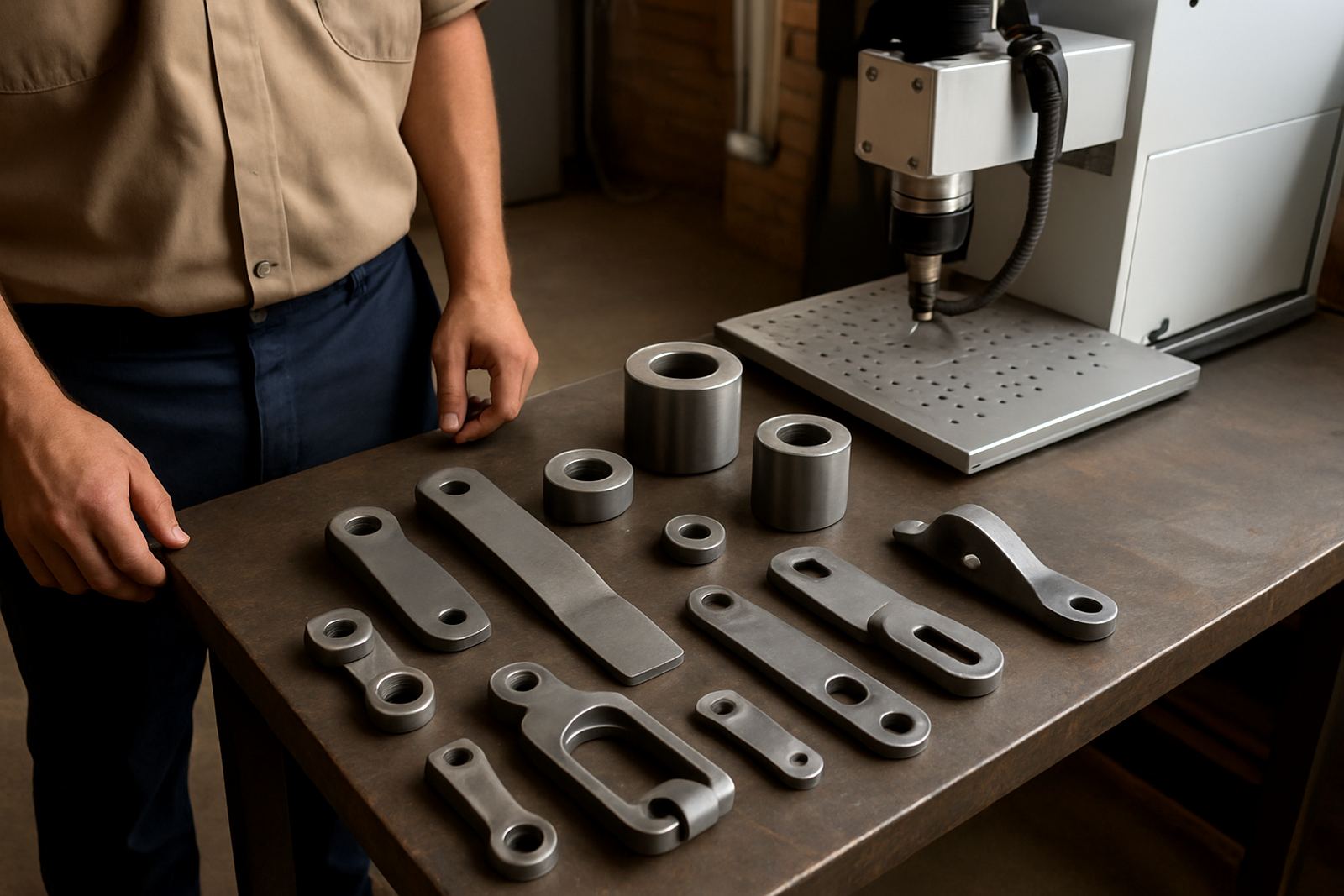
Most aerospace parts arrive as precision-machined items, housings, thin-wall sections, mounts, clips or repairable sub-assemblies. Some are stainless, some are aluminium and some are specialist alloys with tighter repair limits. The material and wall thickness drive the set-up more than the shape does. A part that looks simple can still need careful fixturing, clean edges and a sequence that avoids pulling the component out of line.
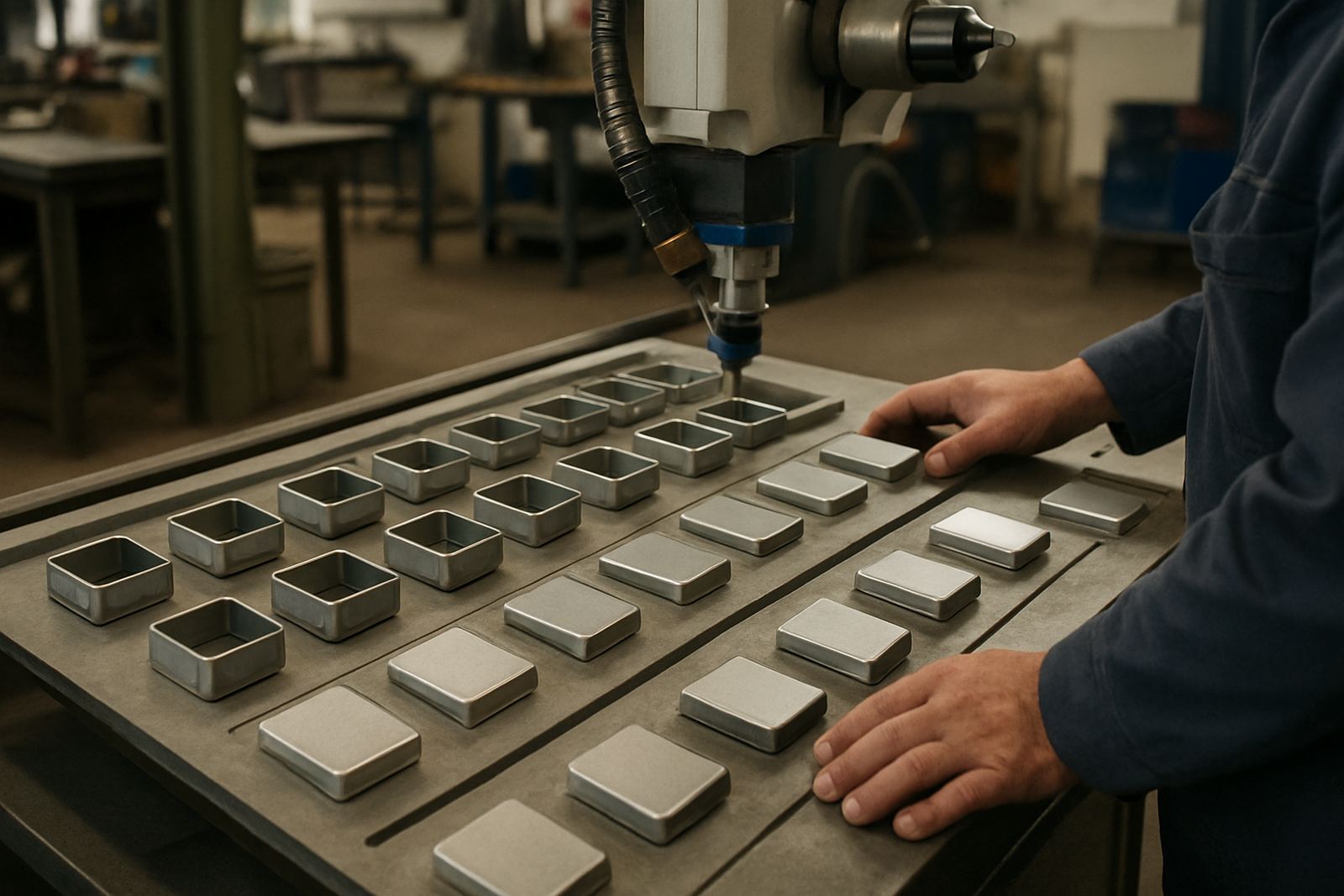
Our Centurion workshop is set up for careful small-part handling, with collection options through Pretoria East, Midrand and Jet Park for suitable jobs, plus courier support nationwide. For jobs that need batch processing, the pieces are usually arranged so similar repairs can be done together to reduce changeover time. That keeps the job moving, especially when clients are working around aircraft maintenance windows or production deadlines. In most cases, the best results come from sending only what is needed, not the full assembly unless it is required for alignment. A smaller load is easier to protect and quicker to assess.
- Fine weld repairs on thin sections and edges
- Stainless and aluminium parts needing low distortion
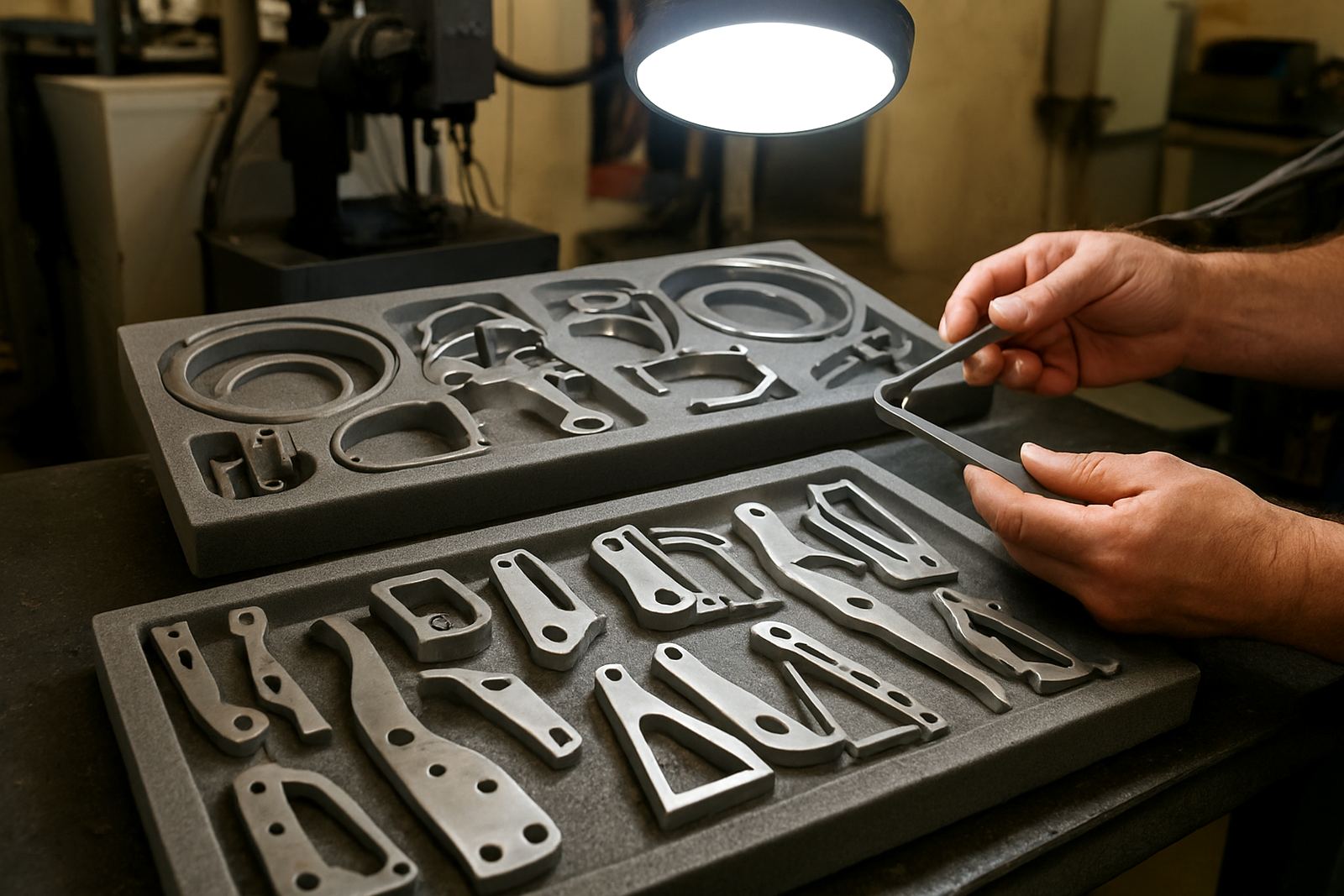
- Mould and die style correction work for precision forms
- Batch jobs where repeatability matters across multiple parts
Planning The Repair So The Part Still Fits First Time
Good planning starts before the torch is switched on. The key issue is fit. If a repaired part still has to sit inside a tight assembly, the repair allowance must be kept under control so the item does not need heavy grinding later. That is especially important where hole centres, datum faces and mating edges have to remain true. A little extra metal in the wrong place can create a fresh problem, so the job sheet must be clear about what can be built up and what must stay untouched.
Before sending aerospace parts in, clients should mark the critical surfaces and supply measurements where possible. Photos help, but dimensions matter more. It also helps to tell us whether the part will be painted, coated, machined again or installed as-is. That changes how much finishing is needed after welding. For some jobs, the best plan is to do a small test piece first, then repeat the same method across the batch. This is slower upfront but it saves money when the parts are expensive and the tolerance stack is tight.
Common Mistakes That Push A Repair Off Spec
The most common mistake is leaving contamination on the part. Oil, oxidation, sealant residue and old repair material can all cause poor fusion or dirty bead lines. Another common issue is assuming that all aluminium or all stainless parts behave the same. In practice, thickness, previous heat exposure and how the part was stored make a real difference. Coastal humidity can also affect storage conditions, especially when parts have been waiting in a store room near Durban or Gqeberha before collection.
We also see jobs where too much material was removed during pre-cleaning or where the component was clamped too hard and distorted before welding even started. For aerospace parts, the support method matters as much as the weld itself. If the part is thin, the support points must be planned so they do not create flat spots or twist. The other mistake is leaving the repair too late in the production cycle. If the part comes in after final assembly, there is often less room to correct alignment and that pushes costs up.
- Sending dirty parts with oil, paint or oxide still on the surface
- Over-clamping thin sections and introducing twist before weldng
- Not identifying datum faces or critical fit surfaces
- Leaving the repair until after final assembly
Budget Ranges For Aerospace Part Repairs
Budgeting for aerospace laser welding depends on material, access, repair size and whether the part needs testing, machining or finishing after welding. Small crack repairs on straightforward items may start from around R850 to R1 500 per part for simple work. More involved repair and build-up jobs commonly fall between R1 500 and R4 500 per item. Precision parts with tighter set-up, repeat checks or batch handling can run from R4 500 to R12 000 or more, especially where the component is high value or the finish requirements are strict.
For batch work, the unit rate often improves once the set-up is done and the process is repeated across similar parts. That is where Centurion workshop handling helps, because small runs can be grouped and processed without the overhead of a large production line. Clients should budget for courier collection too, particularly for national work. If a part is extremely sensitive or urgent, dedicated hand delivery can be worth the extra cost because it lowers the risk of damage in transit and keeps the timeline under control.
From Centurion To Nationwide Collection And Return
Our base in Centurion serves Pretoria, Midrand, Rosslyn and the wider Gauteng manufacturing belt, but aerospace-related work often comes from further afield. That is why we handle job-shop pieces nationwide through courier where suitable. For clients in Cape Town, Port Elizabeth, Durban and other major centres, the process usually starts with photos, dimensions and a short description of the fault. From there, we advise on likely repairability, packaging and lead time before the part leaves your site.
Packaging matters more than most people think. Aerospace parts should be wrapped so edges do not rub, then boxed with enough spacing that one component cannot mark another. Include the job card, contact details and any special handling notes in the box. If the part is sensitive to moisture, add protection before it is sealed, particularly for long trips or summer heat. Once the repair is done, we return the item ready for reassembly or the next machining stage, depending on the scope. Clear instructions save time at both ends, and they help avoid repeat transport costs.
- Share material type, dimensions and fault location before dispatch
- Mark critical surfaces and non-weld areas clearly
- Use protective packaging and avoid part-to-part contact
- Tell us if the item needs further machining, coating or inspection after welding