When medical components need clean, controlled repair
Medical instruments are rarely forgiving. A small crack, worn edge, or damaged joint can affect fit, finish, cleaning and repeat use, especially on stainless parts that must remain neat under close inspection. In this sector, the job is usually less about heavy build-up and more about accuracy, appearance, and keeping the surrounding area unaffected.
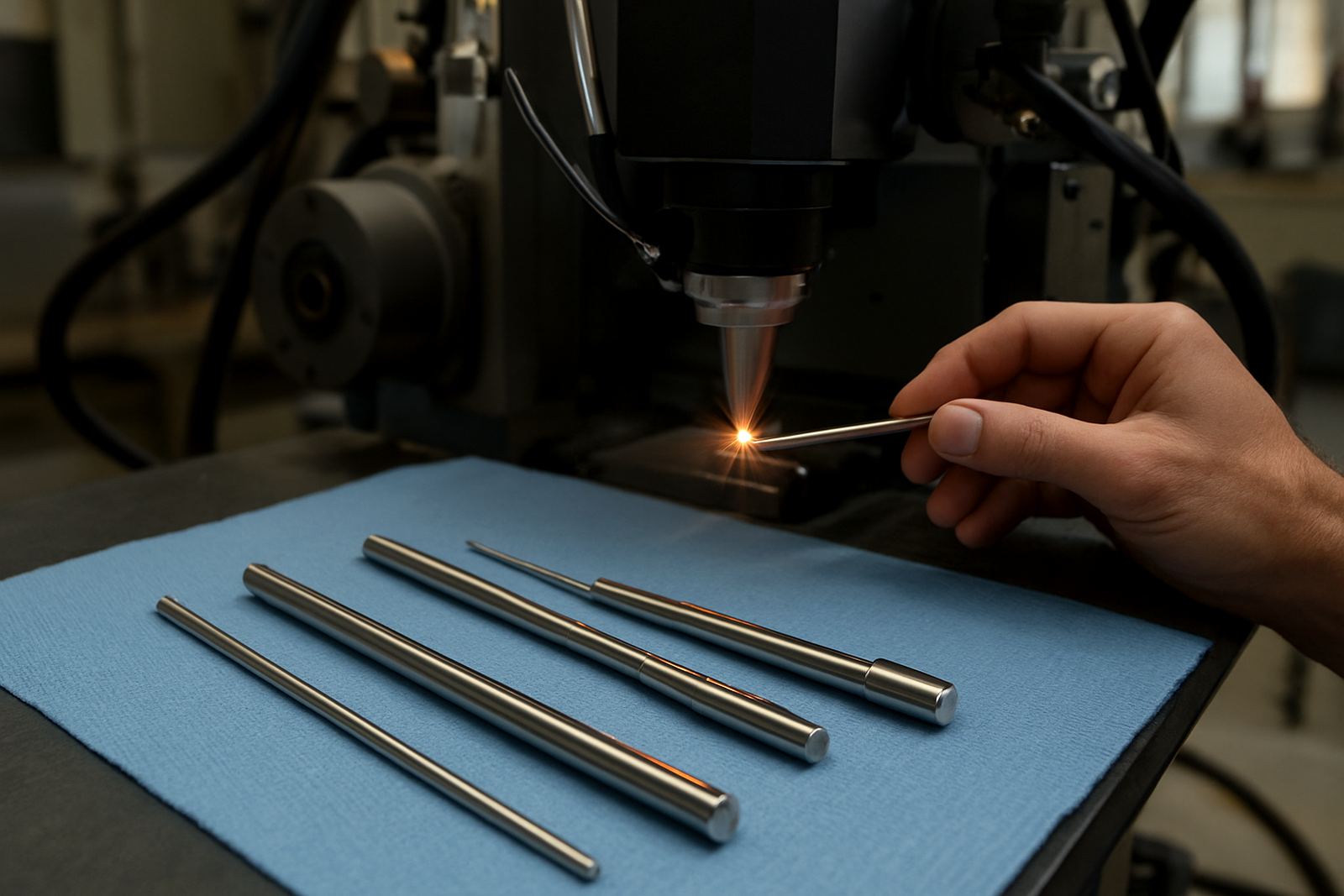
We work with parts that need careful alignment and a tidy result, from fine stainless assemblies to small repair items and prototype pieces. The usual brief is simple enough to state, but difficult to execute: repair the part, keep distortion low, and leave the weld area tight enough for final finishing. That is where laser welding is useful for small sections and detailed work.
For clients in Pretoria, Centurion, Midrand, Rosslyn and Jet Park, we regularly handle workshop collections and courier jobs when a part is too sensitive to send by ordinary transport. Coastal humidity can also affect stored stainless parts, so it helps to repair items before corrosion spreads or surface staining becomes more difficult to clean out.
Typical instrument parts we see in the workshop
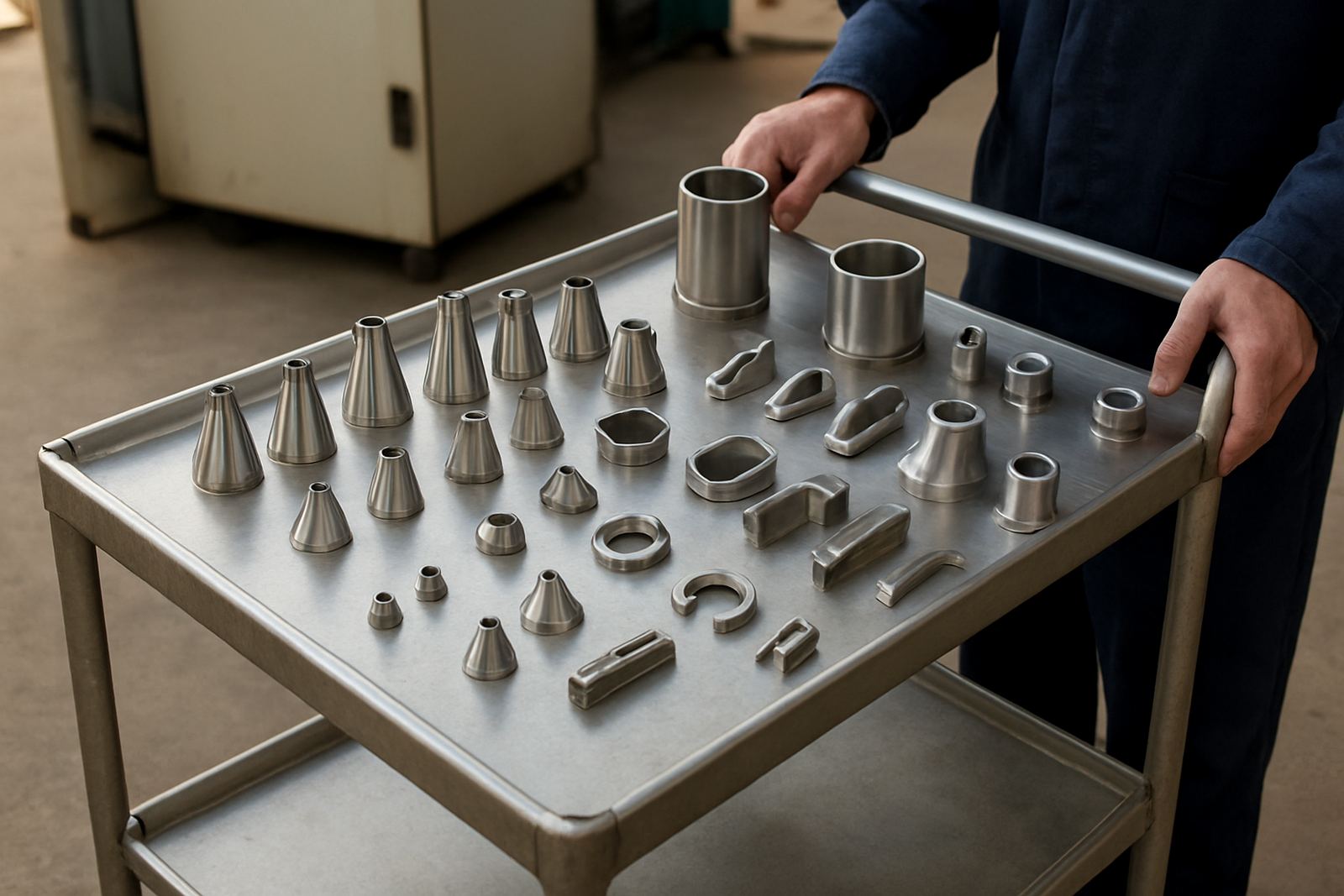
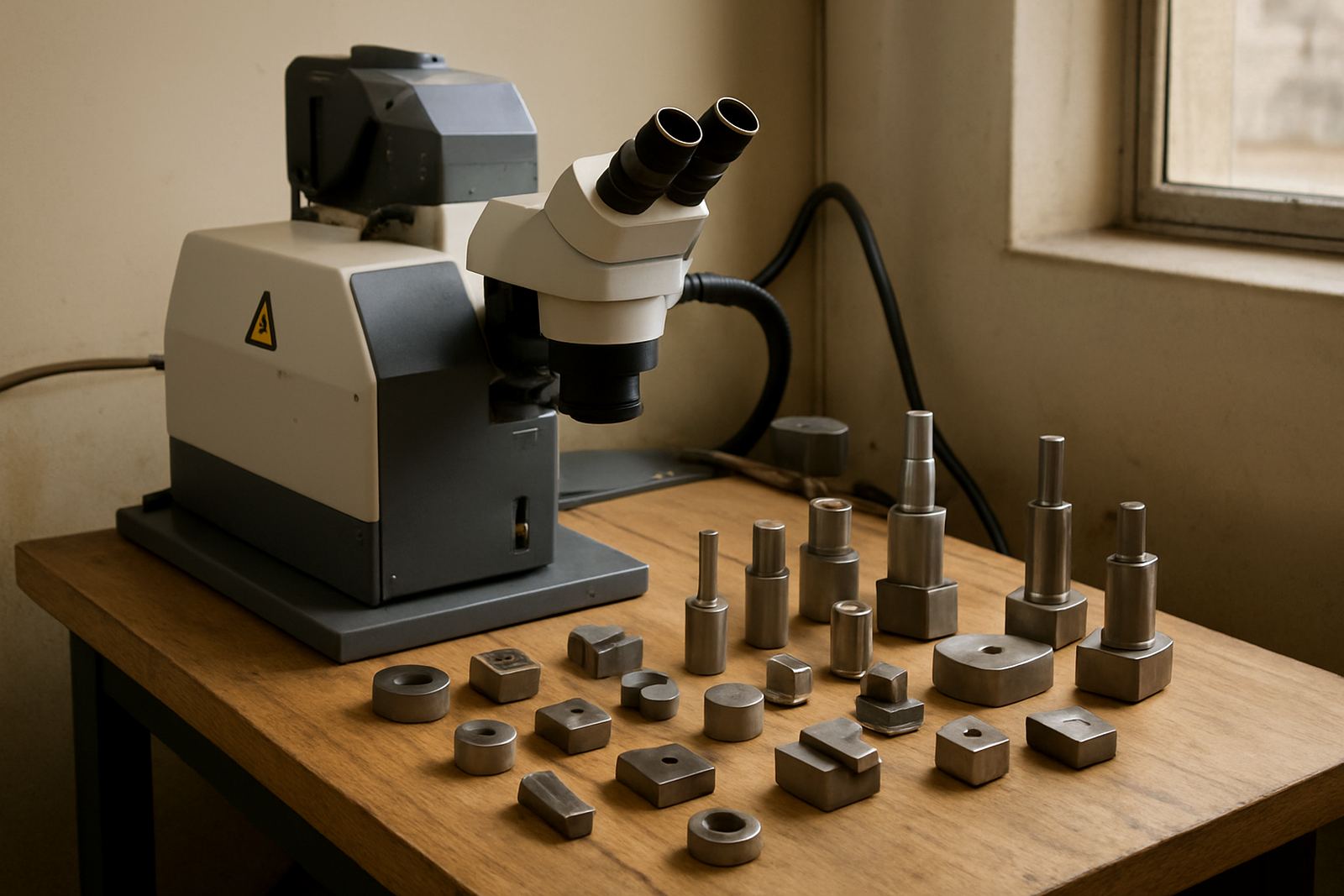
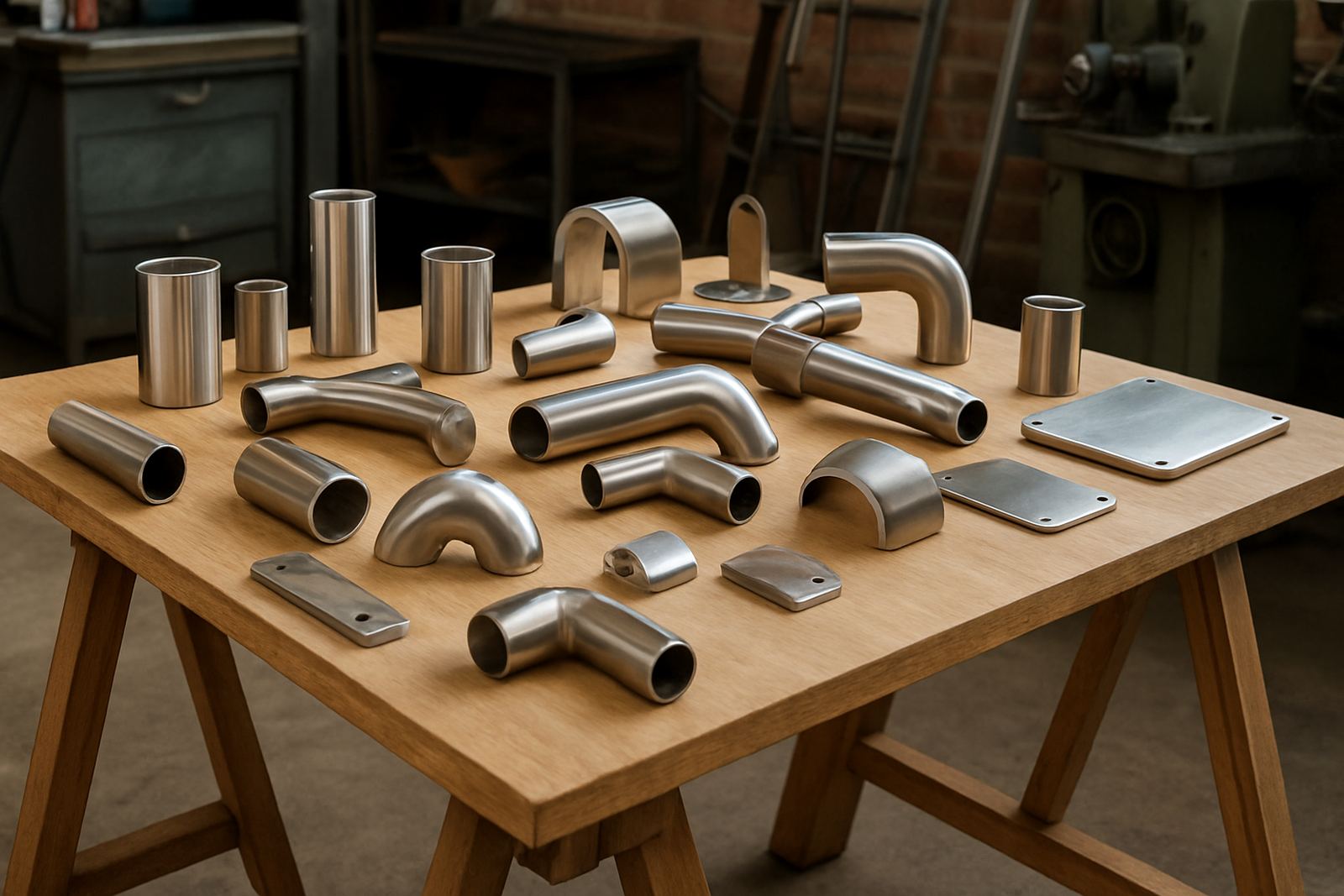
Medical instrument work varies a lot, but the parts often share the same requirements: fine sections, clean edges, and a need for close inspection before release. We commonly see stainless items, small assemblies, repair points on moving parts, and sections that have worn from repeated cleaning or handling.
- Stainless instrument bodies and fine sleeves
- Small crack repair on thin sections
- Edge build up where a contact point has worn away
- Prototype joining for trial assemblies
- Part restoration before polishing or reassembly
- Batch jobshop welding on repeated small components
Some jobs arrive as a single urgent repair, while others come in as a tray of parts that all need the same treatment. Batch work needs consistency more than speed, so we plan each run to keep the weld size, heat input and finish as even as possible from part to part.
Layout and planning for neat results
Good medical instrument repair starts before the torch is switched on. The part has to be clean, easy to inspect, and stable enough to hold position during welding. If the component is tiny or irregular, it helps to plan how it will be clamped, rotated, or supported before it enters the workshop. This saves time and reduces the chance of rework.
For stainless and fine components, the layout should allow access to the damaged point without forcing the technician to chase the seam from an awkward angle. If a part has multiple sensitive faces, we often suggest grouping the repairs into one visit so alignment, weld sequence and inspection can all be managed together. That is especially useful for customers working to a schedule in Pretoria and Centurion where collection and return can be timed around production or sterilisation prep.
If a client is planning a batch, it helps to separate parts into three groups: urgent repairs, parts needing build-up, and parts that still require final machining or polish after welding. That simple sort out usually makes the quote clearer and reduces surprises later.
Common mistakes that make medical repairs harder
A lot of medical instrument trouble comes from handling the part too late. Once a crack has opened wider, or the edge has worn unevenly, the repair area grows and the finished result becomes harder to control. Over-polishing before repair is another common problem, because it can remove reference lines that help with alignment.
- Sending parts with oil, cleaning residue or packing fluff still on them
- Waiting until a fine crack has turned into a larger split
- Grinding too much off before the repair is assessed
- Mixing parts from different batches without labels
- Assuming every stainless part can be treated the same way
Another issue is skipping inspection between stages. On fine equipment, a part may look acceptable from one angle and still show a line or pinhole under closer light. We prefer to inspect as we go, then again before release, because a medical client usually wants a piece that can go straight into the next step without extra cleanup.
Budget ranges for small repairs and batch work
Costs depend on the metal type, the size of the damaged area, the amount of preparation needed, and whether the part is a one-off or part of a batch. Small medical instrument repairs are often priced per item, while repeated parts are better quoted as a run. As a guide, straightforward fine-part repairs may start from about R450 to R1 200 per item, while more involved crack repair, build-up, or restoration work can range from R1 500 to R4 500 and up depending on complexity.
Batch jobs are usually more efficient. If a client has 10 to 50 similar pieces, the per-item cost often comes down once setup is done and the handling is consistent. For larger runs, we can quote based on sample parts or a full list, which helps planning and procurement. If the item still needs machining, polishing, or final fitment after welding, that should be included at the start so the budget is realistic.
Courier-in jobs from other provinces are common, and we can work from clear photos, dimensions and a short description before collection. That is often the best way to keep the spend under control when the client is not close to Centurion.
Workshop handling, inspection and return logistics
Medical components need clean handling from intake to dispatch. We separate small parts carefully, mark grouped items, and keep the work flow organised so similar pieces are not mixed up. For clients in Pretoria East, Midrand and the wider Gauteng area, collections can often be arranged through the workshop or local support points. Nationwide courier jobs are also handled when the parts are packed properly and the client has given clear instructions.
- Label each part or tray clearly before sending
- Include a note on the metal type and the fault
- State whether the part needs weld only, or weld plus finishing
- Use a hard container for sharp or delicate pieces
- Keep small items separated so they do not rub during transit
Load-shedding is always worth planning for in South Africa, especially where a client expects urgent turnaround. If the job is time-sensitive, please mention the deadline early so workshop time can be allocated properly. That allows us to schedule the repair, inspection and return without wasting a day waiting on a missed handover.
Why fine stainless work needs the right team
Medical instrument repairs are not the place for heavy-handed welding. The parts are small, the finish matters, and the heat affected area has to stay under control. Our Centurion base is set up for precision laser welding work, with support for small repairs, prototype joining, stainless repairs and batch jobs that need consistency rather than brute force.
For customers who need trustworthy turnaround, the main value is simple: the part comes back repaired, inspected and ready for the next stage. Whether it is one cracked instrument or a tray of fine components, the aim is the same. Keep the weld neat, keep the distortion low and keep the process practical for a South African workshop schedule.