When food equipment needs a clean repair, not a rough patch
Food-processing clients usually call when a part is still in serviceable condition but has developed cracks, worn edges, pitting or thin sections that can no longer be ignored. That can be a hopper lip, conveyor bracket, dosing part, guard frame, tray, chute, filling nozzle support or a fabricated stainless assembly that has started leaking or catching product. In these jobs the main concern is not only strength, it is how the repair will behave under hygienic cleaning, steam, vibration and daily handling.
Laser welding suits this kind of work because it gives a narrow heat-affected zone and controlled buildup. That matters on food equipment where distortion can throw a part out of line, or where a bulky repair would leave a ledge that traps residue. We regularly work on 304 and 316 stainless components, as well as selected aluminium parts used in auxiliary equipment. The aim is to return the part to service without turning a precision fit into a filing job later.
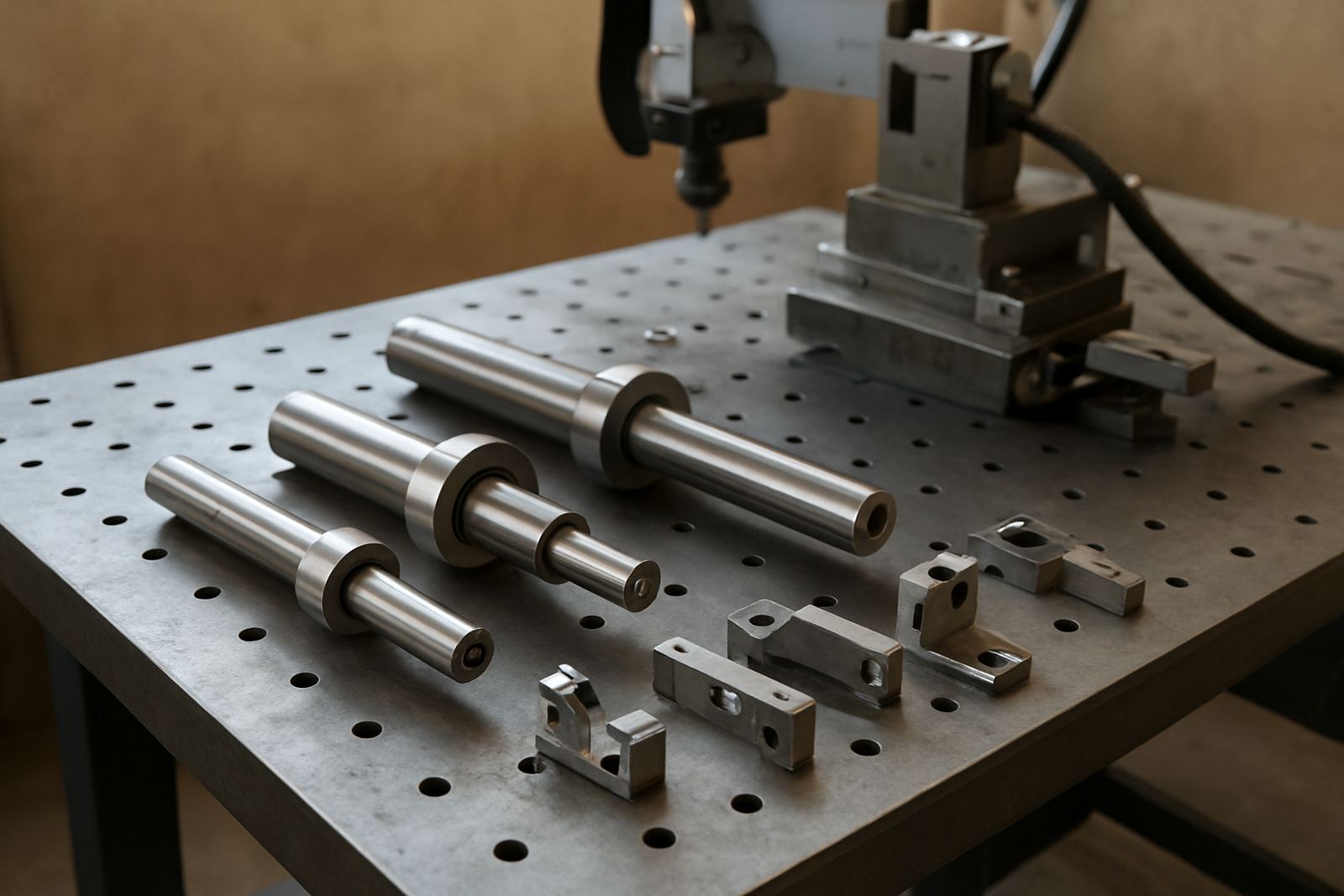
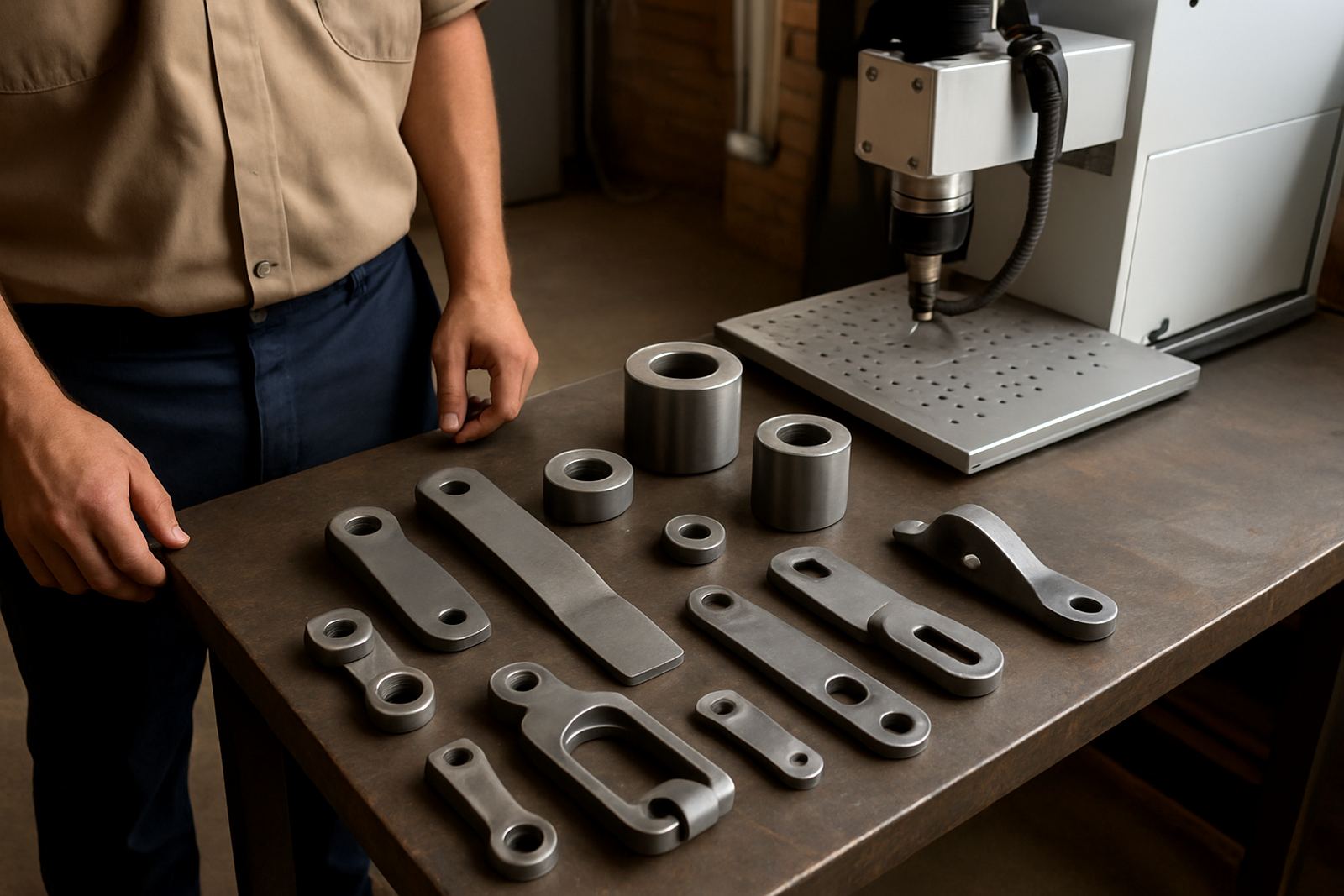
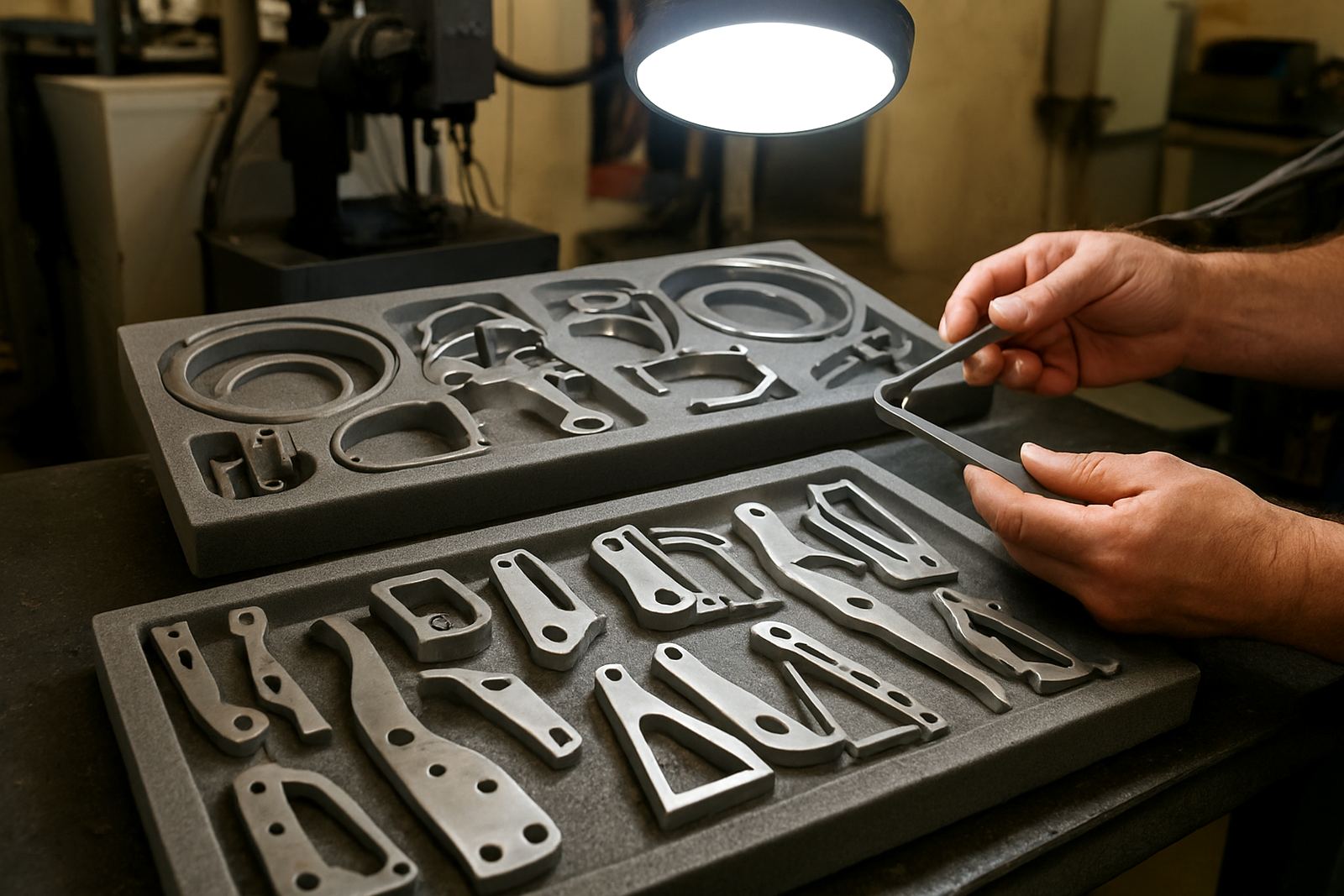
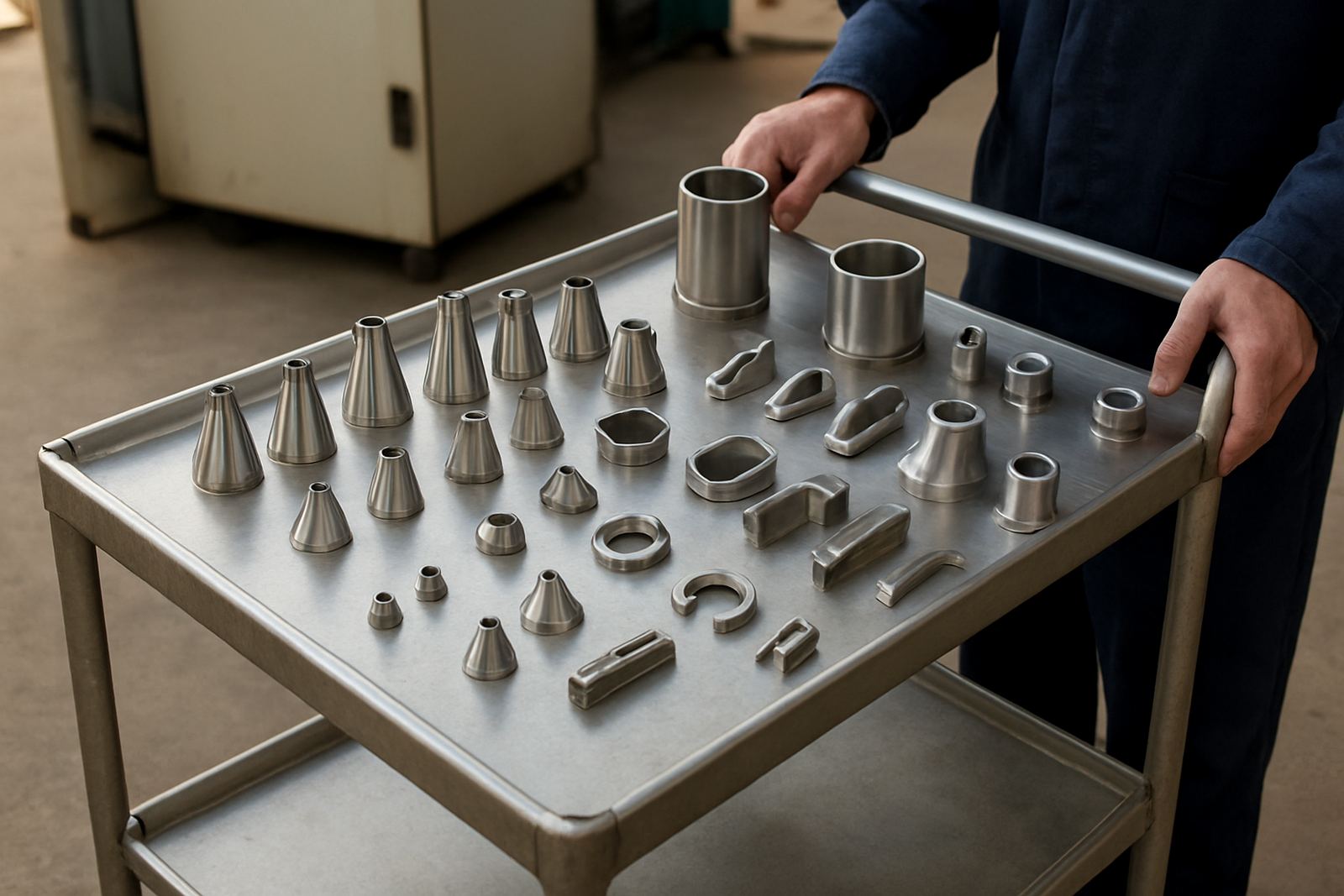
Typical food-processing parts we see in the workshop
Our Centurion workshop handles both one-off repairs and repeat jobshop work for plants, fabricators and maintenance teams. The most common items are often small enough to courier, but critical enough that a day out of service can slow the line.
- Conveyor side plates, guides and wear points
- Mixing and processing chutes, hoppers and discharge lips
- Stainless frames, stands and machine guards
- Filling, dosing and transfer components
- Tray rails, brackets and product carriers
- Worn edges on fabricated covers and panels
- Prototype pieces and modified assemblies for new lines
For larger structures we also assist with job-to-job repairs from Midrand, Rosslyn, Jet Park and Pretoria East, with courier work nationwide. If a part has to be collected from site, packed for transit or kept separate from production stock, we can plan around that too.
How we plan a hygienic repair that will last
Food equipment needs proper planning before the first weld is struck. The technician has to understand the base material, the thickness, the original shape, and what the part sees in service. A repair that looks neat but changes the geometry by even a millimetre can cause jams, leaks or uneven wear. That is why we measure first, then decide whether the job needs crack repair, edge build up, thin section welding or part restoration.
We also look at access and finish. Some food plant parts are easy to weld but hard to clean afterwards, so the repair path and final dressing matter. On certain jobs we may recommend machining after welding or a follow-up blend to improve the finish. If a part has repeated failures, we will usually ask about heat, vibration, chemical washdowns and any load-bearing points so the repair can be set up with those conditions in mind.
- Confirm the stainless grade or alloy where possible
- Check if the part will be polished, passivated or left as-is
- Measure key faces before and after welding
- Mark food-contact areas separately from structural areas
- Plan courier packing to prevent fresh damage in transit
Common mistakes that cost more later
The biggest mistake is waiting until a small crack becomes a full break. On food equipment, once a split opens up, product can enter the fracture line and contamination risk goes up. Another common issue is grinding away too much parent material before repair, which can leave the part thinner than before and shorten its life. We also see repairs done with the wrong filler or too much heat, and that can lead to distortion, colour staining or a brittle area near the weld.
For hygiene-sensitive parts, rough finishing is another problem. A weld that catches product or cleaning residue is not a proper fix. The same applies to brackets and frames that were repaired off-square. If the line is under pressure, a misaligned component can create knocks, leaks or uneven wear that shows up again within weeks. It is better to repair the part once, properly, then put it back in service with clear measurements.
Budget ranges for food equipment repairs in Rand
Costs depend on material, damage size, access and whether the item needs one weld or several passes with shaping afterwards. Small stainless crack repairs on minor food equipment parts often start from about R850 to R1,800. Medium repairs on chutes, brackets, guards and wear points usually fall between R1,800 and R4,500. More detailed rebuild work, especially on thin section parts or precision assemblies, can range from R4,500 to R12,000 and upward for complex items.
If you have batch work, the price per piece normally improves once the setup is done. For example, repeated repair of the same bracket or assembly may be priced as a batch job rather than individually. Courier collection and return can be arranged nationwide, and for Pretoria, Centurion, Midrand and nearby industrial areas, direct drop-off often keeps turnaround tighter. If you are running against a production deadline or load-shedding has already pushed maintenance back, it is worth sending clear photos and measurements first so we can quote properly.
What to send with a quote request
A good quote starts with the right information. A clear photo, a short description of the fault and the size of the part usually gets us moving quickly. If the item is from a food line, tell us whether it is product contact, support structure or guarding, because the repair approach can differ. If you know the material, add that too. If not, we can still often identify it once it reaches the workshop.
- Photos of the damaged area from 2 or 3 angles
- Overall part size in millimetres
- Material type if known
- Whether the part must remain food-contact safe
- Preferred turnaround date
- Collection or courier details
Our team in Centurion handles the admin, assessment and workshop flow so the part does not sit around waiting. For many food equipment clients, the real value is getting a practical answer quickly and returning a repaired component that fits back into the line without extra modification.