Why Thin Sections Need Controlled Heat
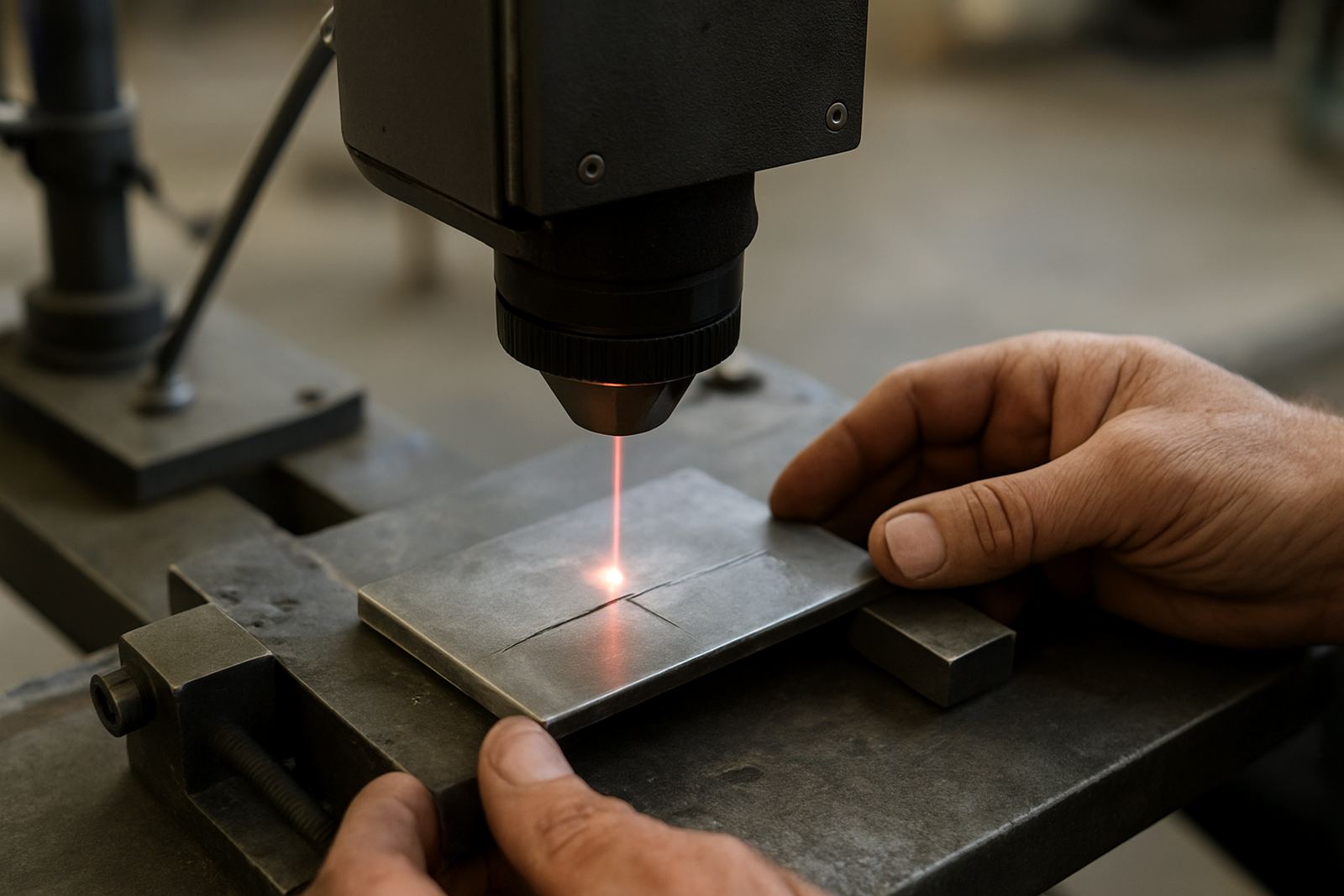
Thin metal moves quickly under heat. A small mistake can pull a flange out of square, warp a cover plate, or leave a repair that will not hold once the part goes back into service. That is why thin section welding calls for a tight heat zone, steady hand work, and proper fixturing before the first spot is made. We work on parts from about 0.2 mm up to 2.5 mm in thin wall material, depending on the alloy, joint shape, and how much support the part can take during welding.
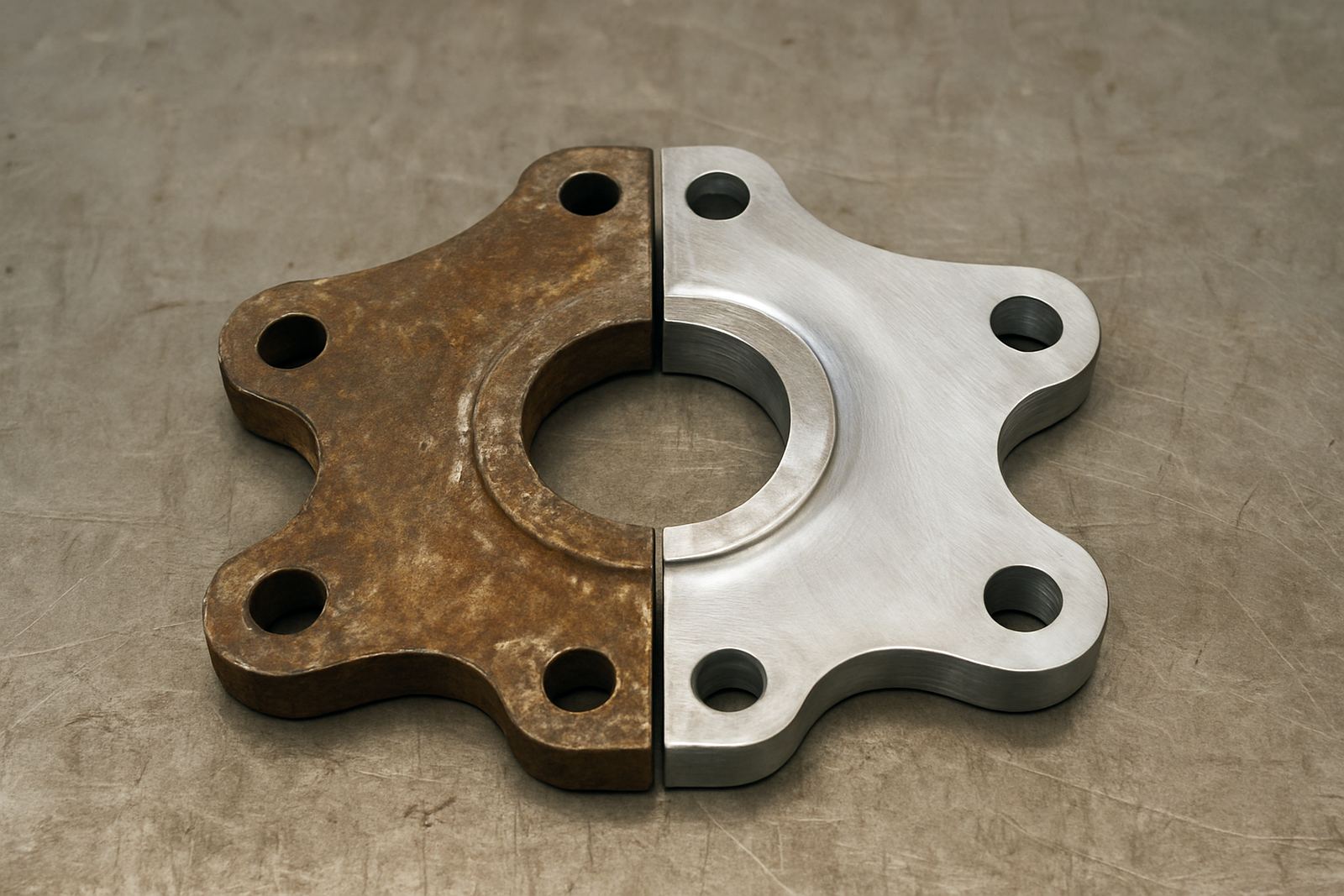
This service suits precision parts used in medical equipment, instrumentation, light fabrication, mould components, stainless trims, aluminium covers, battery housings, brackets, and custom assemblies. In many cases the job is not only to join two edges but to restore fit, close a hairline crack, or build a corner back to original size without drawing the whole part out of line.
- Low distortion on delicate components
- Cleaner repair zones for close tolerance parts
- Useful on stainless steel, aluminium and mixed light-gauge parts
- Suitable for one-off repairs and batch job-shop work
What Is Included In The Thin Section Welding Service
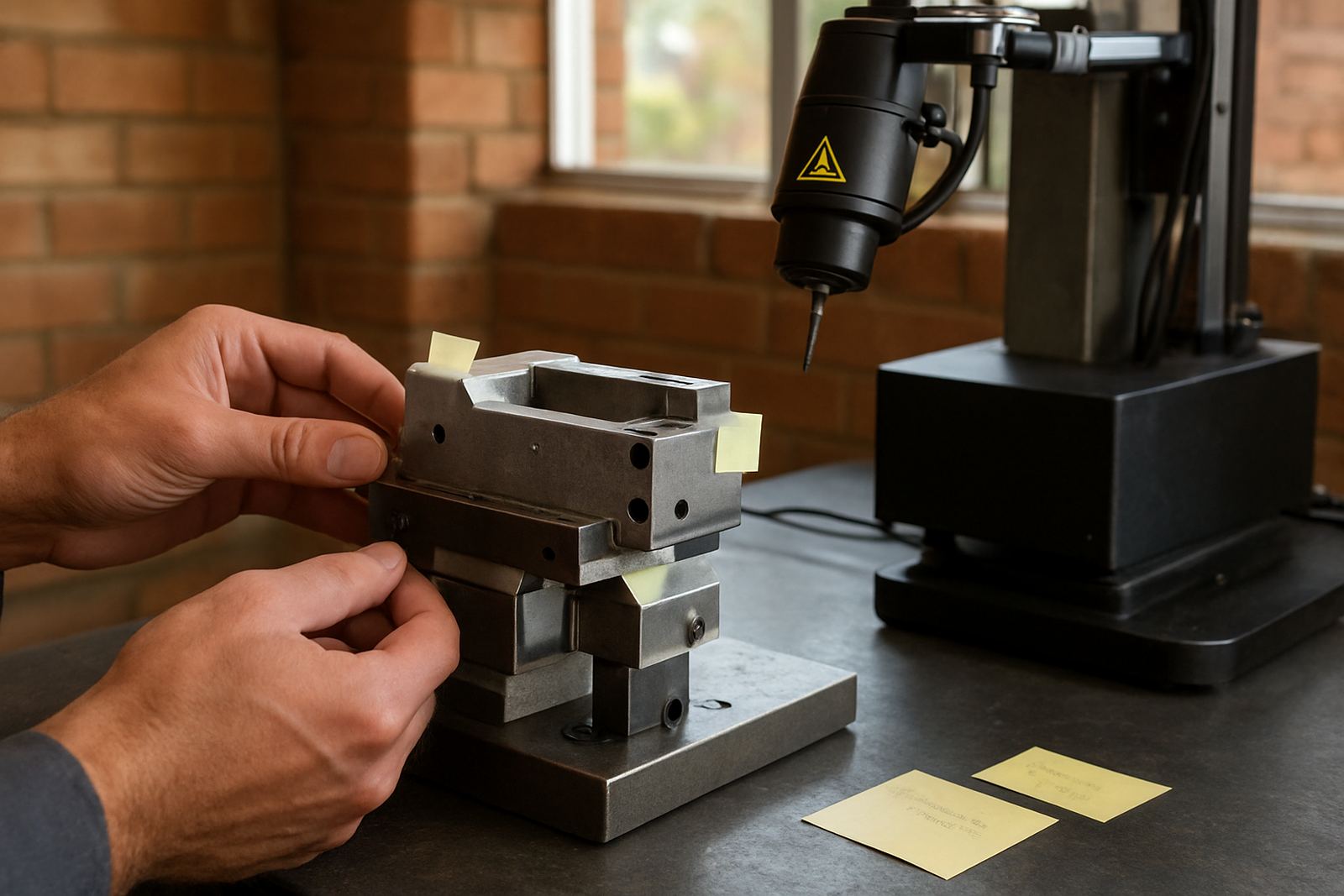
Our thin section welding service is set up for parts that cannot be treated like general fabrication. We assess the material thickness, surface condition, access, and the amount of heat the part can take. From there we match the process to the job and prepare the component so the weld goes in with the least possible stress. That may include cleaning, edge prep, crack opening where needed, jigging, and controlled weld pass selection.
We handle small precision repairs, edge closures, micro build-ups, seam touch-ups, and short-run batch work. If the part is distorted already, we can often correct the fit before welding starts. For jobs with tight appearance requirements, we focus on minimal dressing afterwards so the finish stays neat without taking away parent metal.
- Initial inspection and material assessment
- Surface cleaning and joint preparation
- Fixturing to limit movement during welding
- Controlled welding and final check against the sample or drawing
How The Process Works From Intake To Handover
Jobs usually start at our Centurion workshop or through collections in Pretoria East, Midrand and Rosslyn, with courier work accepted nationwide. Once we receive the part, we check dimensions, material type, visible damage and the required finish. If the item is sensitive to heat, we plan the sequence carefully so we are not chasing movement later. For repeat work, we can keep notes on settings and repair points for future orders.
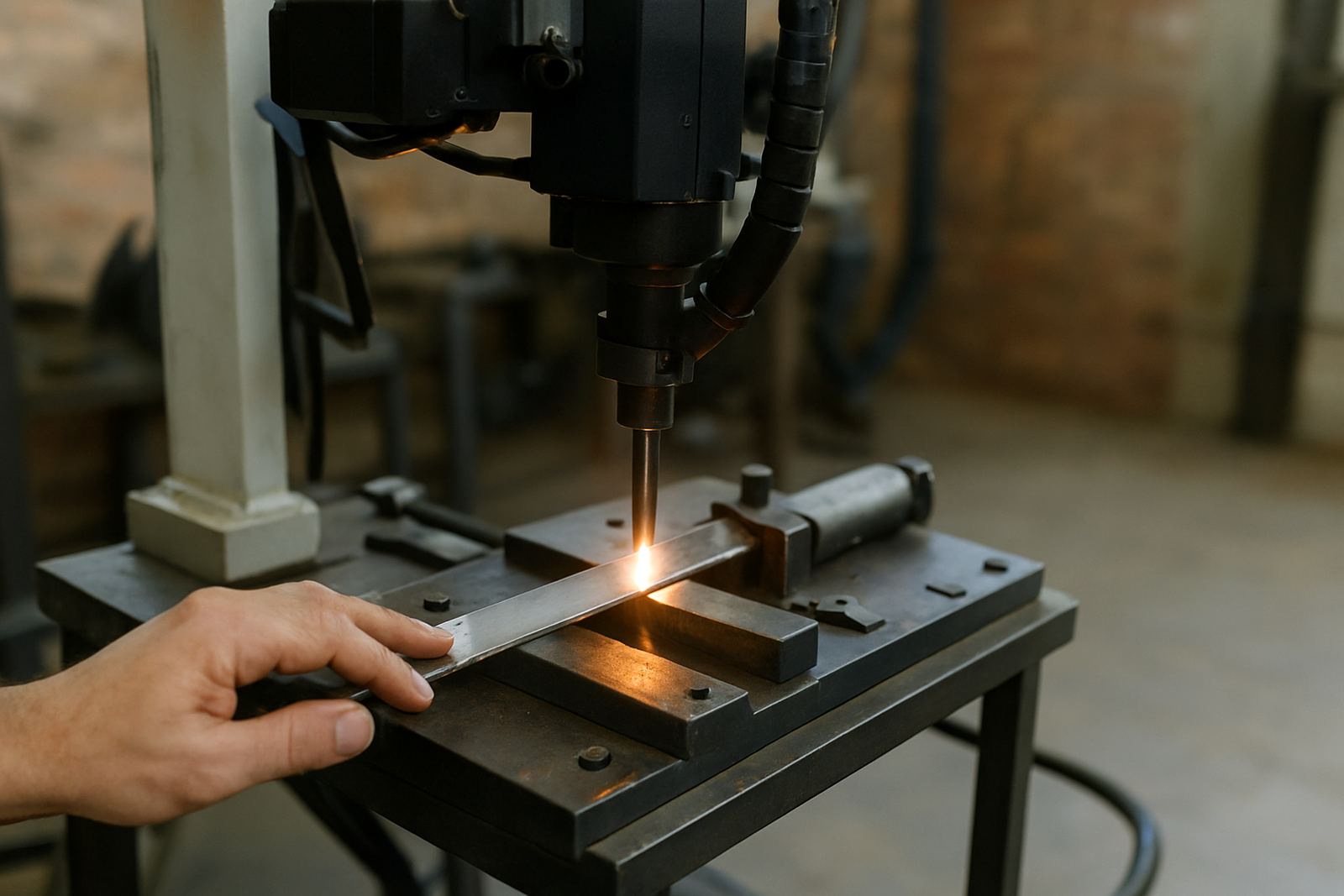
The welding itself is done in short controlled stages. This allows the joint to cool in a managed way and helps preserve the part's shape. After welding, we inspect the repair, check alignment and do light finishing where required. For parts that will be machined or assembled later, we can leave allowance for downstream work so the repair does not interfere with fit-up.
- Receive part and confirm requirements
- Inspect, measure and prepare the area
- Weld in short controlled passes
- Inspect, clean and release for collection or courier
Turnaround Times For Small Repairs And Batch Work
Turnaround depends on material, access, condition and how much preparation the part needs. Straightforward thin section repairs can often be handled within 1 to 3 working days once the part has been assessed. More complex work, especially when distortion control or repeat batch parts are involved, may take longer. Urgent jobs are considered case by case, particularly where a production line is waiting on a single component or where a customer needs a repair back in service fast.
We keep the workflow practical. If the job is small and the part is in hand, it moves quickly. If there are drawings, samples or tolerance notes, that helps us reduce rework and keep the lead time down. Loadshedding and transport delays can affect schedules in Gauteng, so we communicate clearly when a job is booked in and let clients know what is realistic before work starts.
Pricing Approach For Thin Section Repairs
Thin section welding is priced according to the amount of preparation, the joint length, the material, and the precision required. A short crack repair on a standard stainless part is very different from a thin aluminium component with a cosmetic finish and tight flatness limits. We quote on the actual work needed, not on a one-size-fits-all rate, because the time is often in the set-up and control, not just the weld itself.
For regular clients, batch work can be priced on quantity once the first sample is approved. If drawings or a sample part are available, that helps us give a firmer figure. Where the repair is borderline and the risk of movement is high, we will say so upfront. That saves time and avoids surprises once the part is already on the bench.
- Material type and thickness
- Length of weld or extent of repair
- Need for fixturing or special handling
- Quantity for repeat or batch jobs
Maintenance Intervals And When To Reinspect
Thin section parts often fail again if the root cause is not addressed. If there is vibration, thermal cycling, poor support, or repeated handling, it is wise to inspect the area at regular intervals. For production components, we recommend checking repaired thin sections every 3 to 6 months, or sooner if the item runs hot, carries load, or sees frequent movement. On parts used outdoors or near the coast, corrosion should be checked more often because salt and moisture can work into fine seams.
In workshop environments, any repaired item should be kept clean and dry where possible, and the fixing points checked during routine maintenance. If a repaired edge begins to change colour, show hairline movement, or lose alignment, bring it in before the damage spreads. A small follow-up now is usually cheaper than replacing the part later.
- Inspect repaired sections every 3 to 6 months in service
- Check sooner on high heat, vibration or coastal applications
- Keep the area clean and free of trapped moisture
- Book a review when fit-up starts to move or crack lines reappear
Key facts
| Material thickness | Approximately 0.2 mm to 2.5 mm, depending on alloy and joint type |
|---|---|
| Common materials | Stainless steel, aluminium, mild steel and selected light-gauge alloys |
| Repair types | Crack repair, seam joining, edge closure, small build-up and part restoration |
| Typical turnaround | 1 to 3 working days for straightforward jobs, longer for complex or batch work |
| Location and collection | Centurion workshop with Pretoria East, Midrand and Rosslyn support, plus nationwide courier jobs |
| Contact | Our contact form |