What Prototype Joining Covers
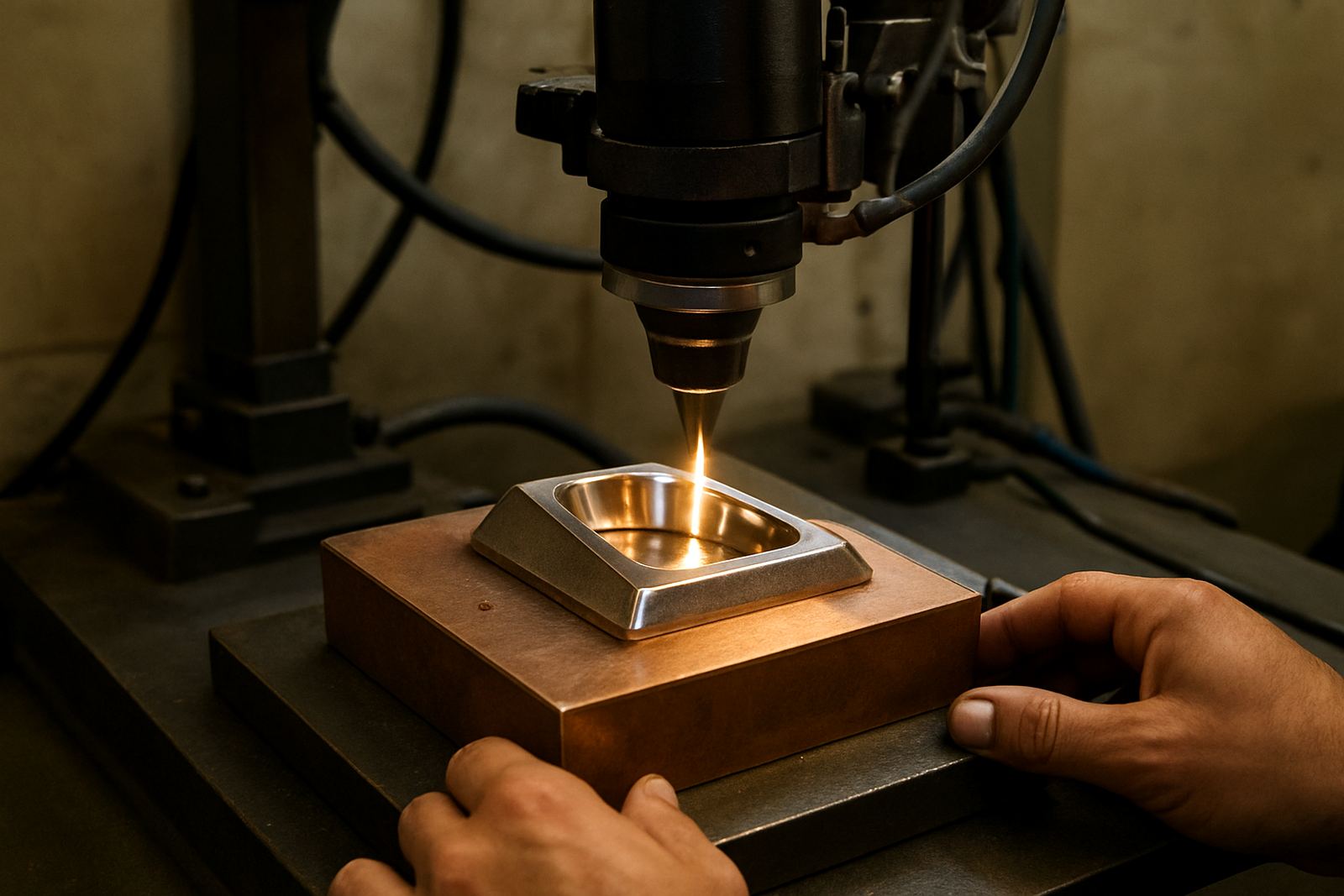
Prototype joining is used where a part or assembly is still being refined and the weld needs to support testing, fitment and repeat changes. We handle metal parts that must line up accurately, hold shape under light to moderate load, and allow the next design step without forcing a full production weld schedule.
This service suits engineering teams, product developers, toolrooms, repair shops and manufacturers needing one-off joining or a small batch of test pieces. We work on stainless steel, mild steel and aluminium components, plus mixed assemblies where heat input must be kept tight. Typical work includes tabs, brackets, housings, frames, retainers, bosses and fine sections that are difficult to join with ordinary workshop equipment.
- One-off prototype parts and short development runs
- Test assemblies before tooling or batch production
- Low distortion joining for close-tolerance parts
- Repair and rework after design changes
How We Prepare Each Job
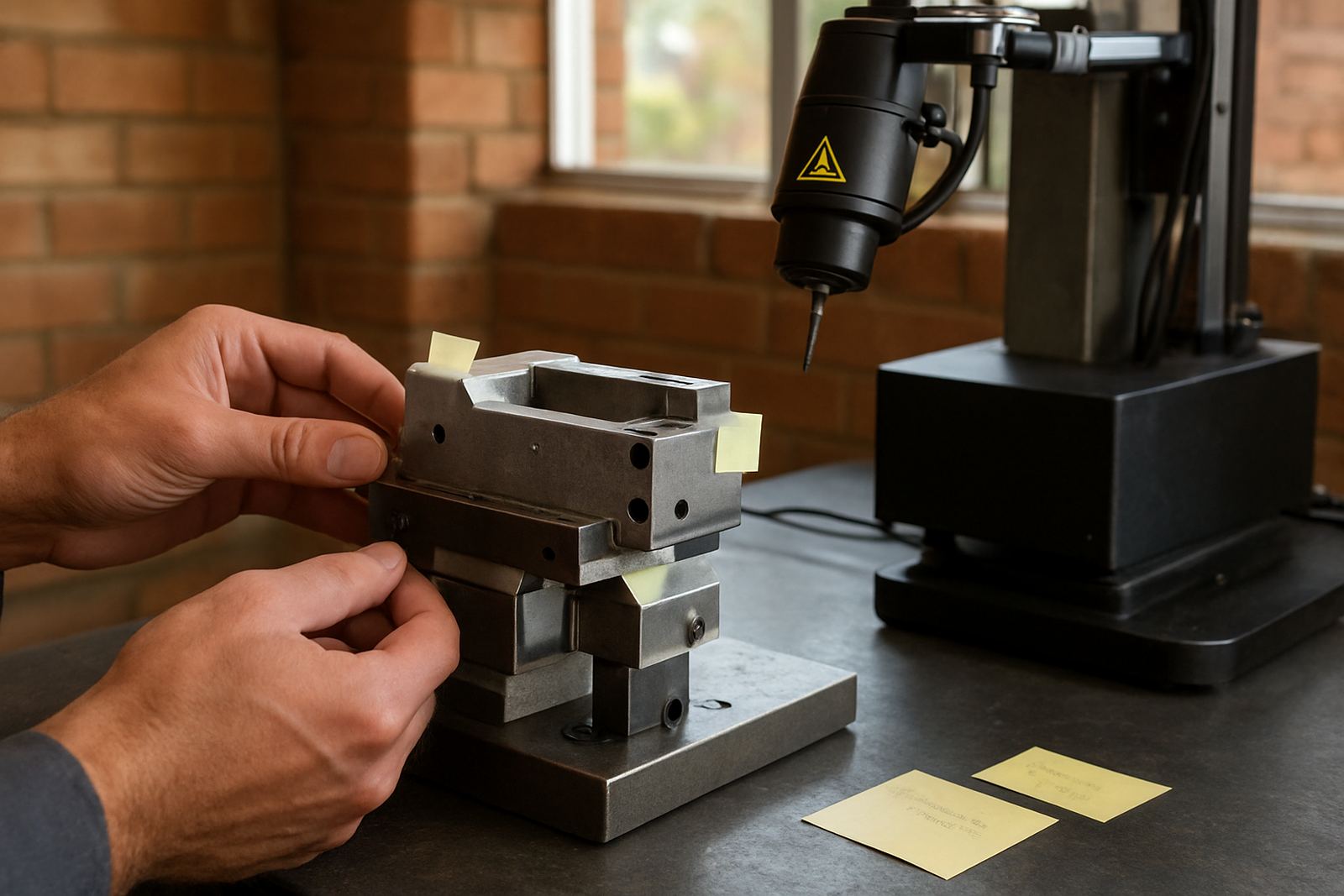
Every prototype starts with a check on material type, thickness, joint shape and the final purpose of the part. We confirm whether the weld must carry load, stay cosmetic, or remain easy to modify later. If a drawing is available, we use it to set joint access, fit-up and heat control. If not, we work from samples, measurements, or clear photos sent through our contact form.
Preparation usually includes degreasing, edge clean-up, clamping strategy and a test on a scrap offcut where possible. For thin sections we keep the gap tight and reduce heat spread to limit warping. For thicker parts we check penetration depth and whether a backing support or staged weld is needed. The aim is to get a part back that matches the development brief and saves time on rework.
- Material identification and visual inspection
- Joint fit-up and alignment check
- Heat control plan for thin or mixed sections
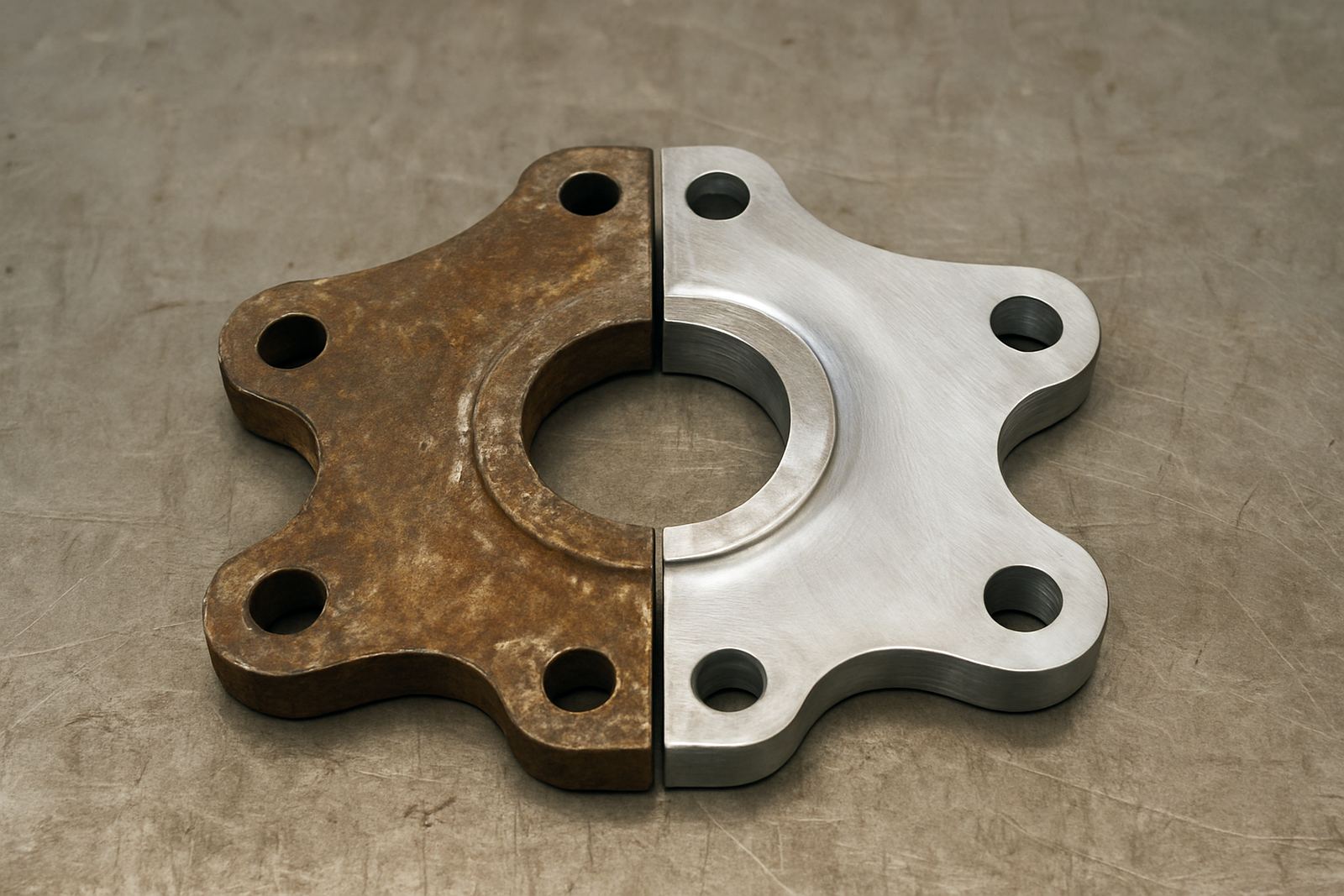
- Final clean-up and inspection before release
Workshop Process From Sample To Finished Part
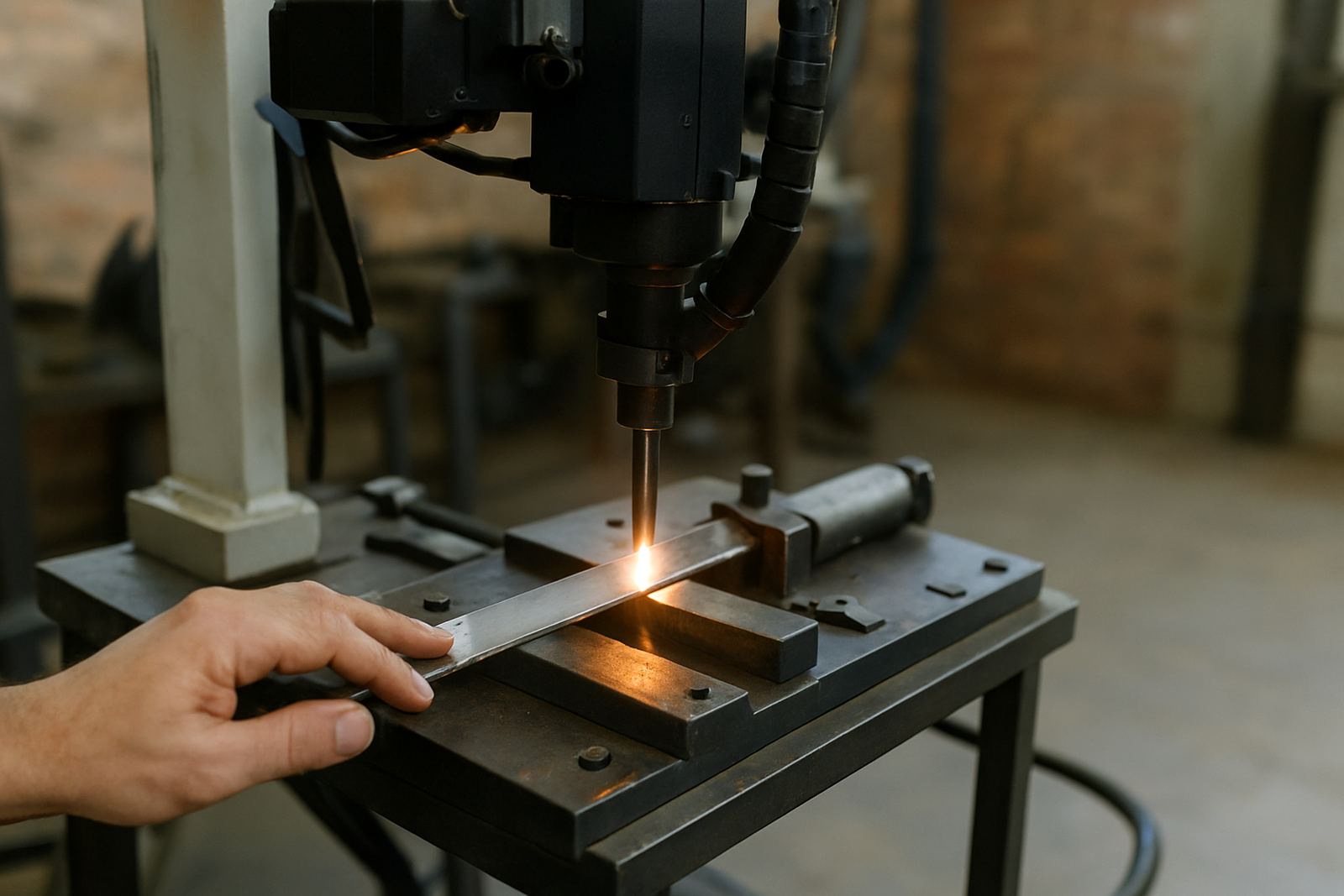
Prototype jobs are handled in a clear sequence so there is no confusion when a part must go back to the drawing board. First we assess the sample and the joining points. Next we set the clamping and check access for the weld head and operator. After that we complete the join in controlled passes, then clean the area and inspect the finish against the brief.
If a prototype is likely to change again, we can keep the weld small and targeted so later modification stays practical. Where a stronger permanent join is needed, we can build the weld up more fully and then finish the area to suit the component. This approach helps development teams move faster without losing control of fit and strength.
- Assessment and quote request
- Fit-up, clamping and heat planning
- Welding in controlled passes
- Clean-up, check and release
Turnaround For One-Offs And Small Runs
Turnaround depends on part size, material, access and how many revisions are needed before final sign-off. A simple one-off can often move quickly through the workshop, while a development batch may need a longer slot for checking and repeat work. We give practical timeframes up front so teams can plan assembly, testing and courier collection without unnecessary delays.
For Pretoria, Centurion and Midrand collections we can usually handle urgent drop-offs faster, subject to workshop load. Nationwide courier jobs are accepted as long as the parts are packed securely and measurements are supplied clearly. If the job is tied to a test programme or product launch, let us know the deadline early so we can fit it into the schedule.
- Local collection from Centurion, Pretoria East, Midrand, Rosslyn and Jet Park
- Courier handling for jobs from across South Africa
- Priority planning for time-sensitive test assemblies
Pricing Approach For Development Work
Prototype joining is priced according to the number of joins, material type, part thickness, access difficulty and the amount of setup needed. A small, straightforward trial piece is quoted differently to a precision assembly with several alignment points or repeat welding after design changes. Where possible, we price from drawings or good photographs so the quote is accurate from the start.
There is no need to over-specify a prototype if the part only needs to prove fit or function. We can help you choose the most practical level of weld, so the budget stays under control while the test objective is still met. For ongoing development work, batch rates may apply when several related parts are processed in the same workshop slot.
- Quoted per part, per joint or per batch where suitable
- Material and access affect the final cost
- Repeat development jobs can be grouped for better pricing
Care After Welding And Recheck Intervals
Once a prototype leaves the workshop, it should be handled according to its testing purpose. If the part is being trialled for movement, vibration or repeated fitting, inspect the weld after the first test cycle and again after any change in load or mounting. On thin sections, check for movement, fine cracks or distortion at each stage of development.
For assemblies used in dusty sites, near the coast, or in equipment exposed to moisture, routine cleaning and visual recheck are important. In many cases a simple inspection after 1 to 2 test runs is enough to confirm whether the join needs to be left as is or adjusted before the next phase. If a prototype is being revised often, tell us about the intervals and we can suggest a better weld plan for the next version.
- Inspect after first fitment or test run
- Recheck after load changes or vibration testing
- Keep joints clean in dusty, humid or outdoor conditions
Key facts
| Material range | Mild steel, stainless steel and aluminium |
|---|---|
| Typical part size | Small components through to larger test assemblies |
| Thickness range | Fine sections up to medium plate, job dependent |
| Finish | Clean local welds with controlled heat input |
| Service area | Centurion, Pretoria and nationwide courier jobs |
| Use cases | One-offs, test assemblies, development batches, rework |