What Part Restoration Covers
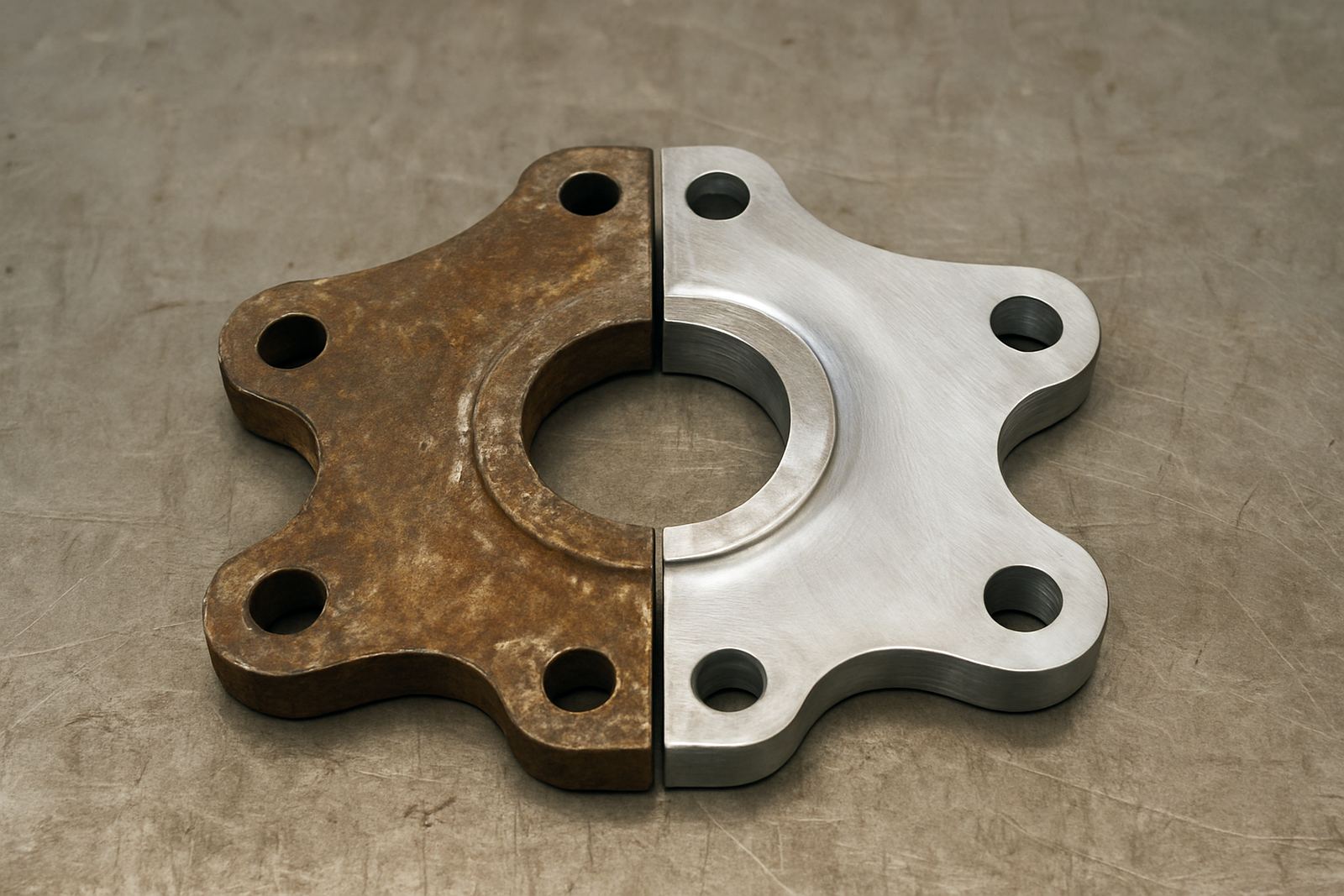
Part restoration is for components that still have value but have lost material through wear, impact, corrosion or previous rework. We rebuild only the affected areas so the part can keep working instead of being scrapped. That is often the better option for shafts, housings, tooling, brackets, guides, flanges and custom machined items where replacement lead times are long or the original part is no longer easy to source.
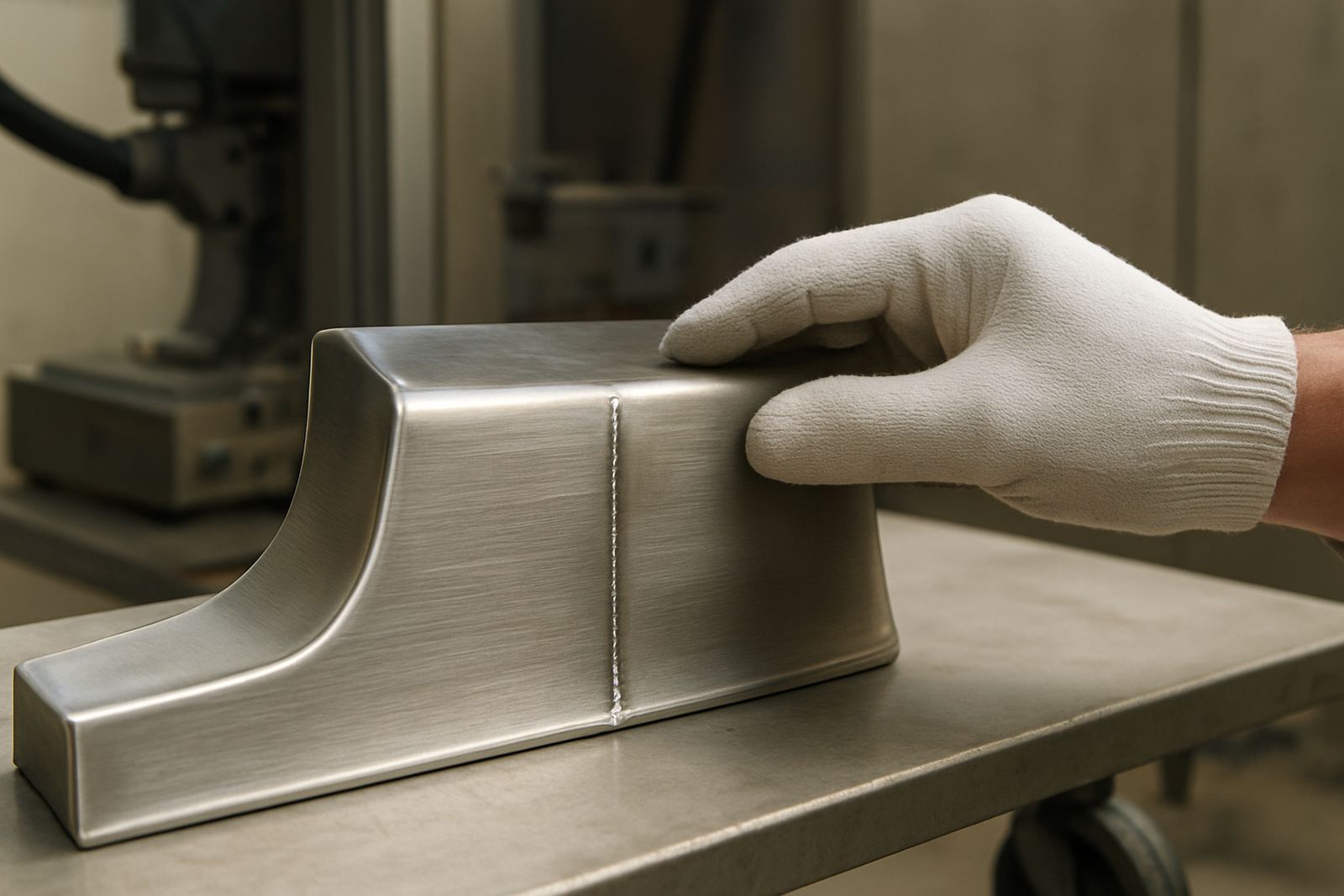
In our Centurion workshop we restore parts used in manufacturing, maintenance, mining support, packaging, metal fabrication and general plant repair. The focus is on recovering the original geometry, keeping heat input low and making sure the repaired area is suitable for the part's actual duty. On thinner sections or parts with tight tolerances, that means measuring first, welding in small controlled passes and finishing back to size with proper allowance.
- Worn edges, slots, shoulders and bearing seats
- Broken lugs, tabs and locating features
- Corrosion damage on serviceable components
- Impact damage on machine parts and fixtures
- Damaged sealing faces and alignment points
How We Restore Parts Step by Step
Every job starts with an inspection and a conversation about what the part must do once it is back in service. We check base material, measure wear, identify cracks or distortion and confirm whether restoration is practical. If the component is too far gone, we will say so upfront. If it can be saved, we plan the weld build-up to suit the application and the final finish needed.
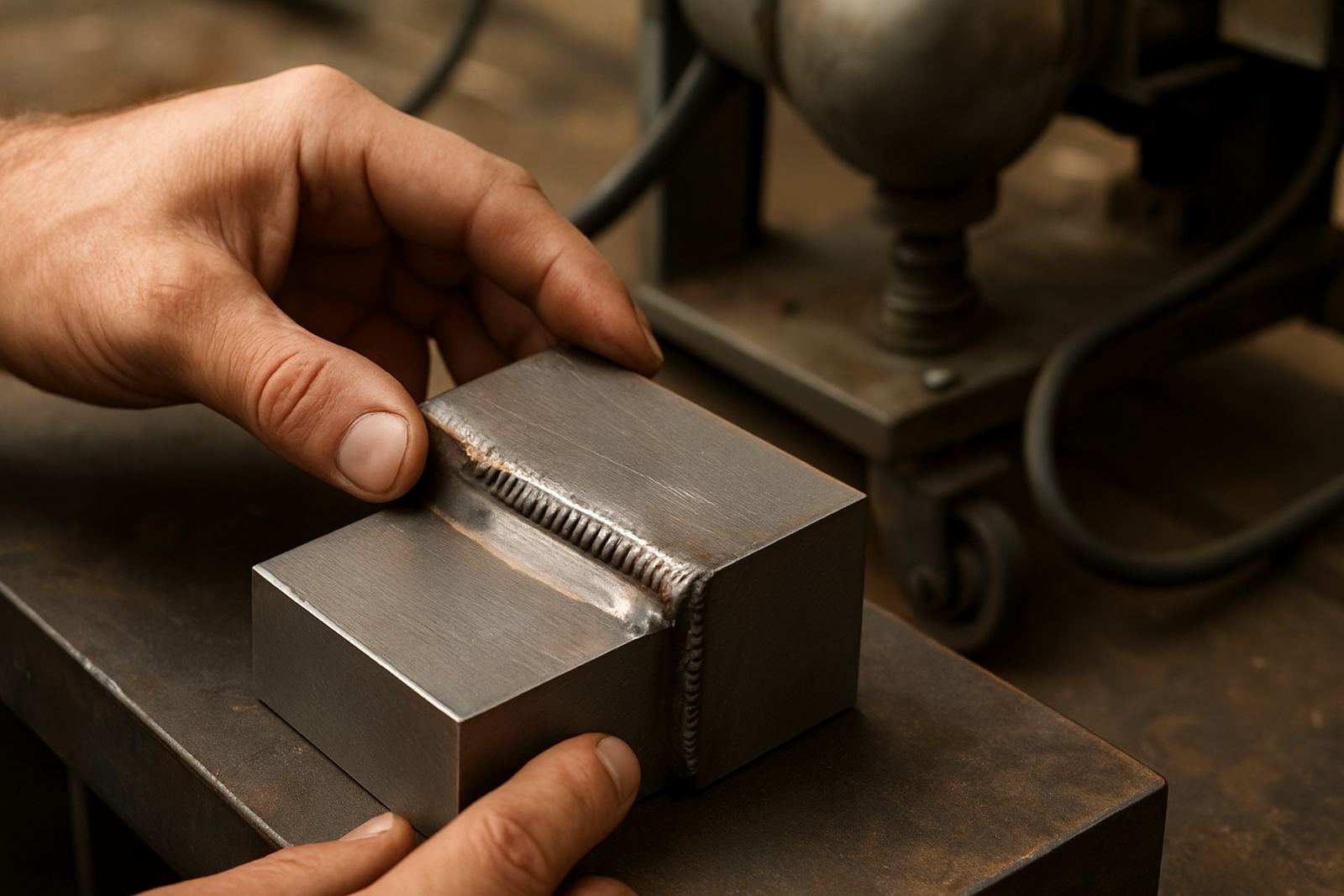
Most restoration work follows a simple path: clean, measure, prep, weld, cool, then finish. Surface contaminants, paint, grease and oxidation need to be removed before welding so the deposit bonds properly. We then add material in controlled layers and keep the component stable during the process. For some parts, especially those affected by previous overheating, extra care is needed to avoid pulling the shape out of tolerance.
- Incoming inspection and repair assessment
- Material verification where needed
- Cleaning and localised preparation
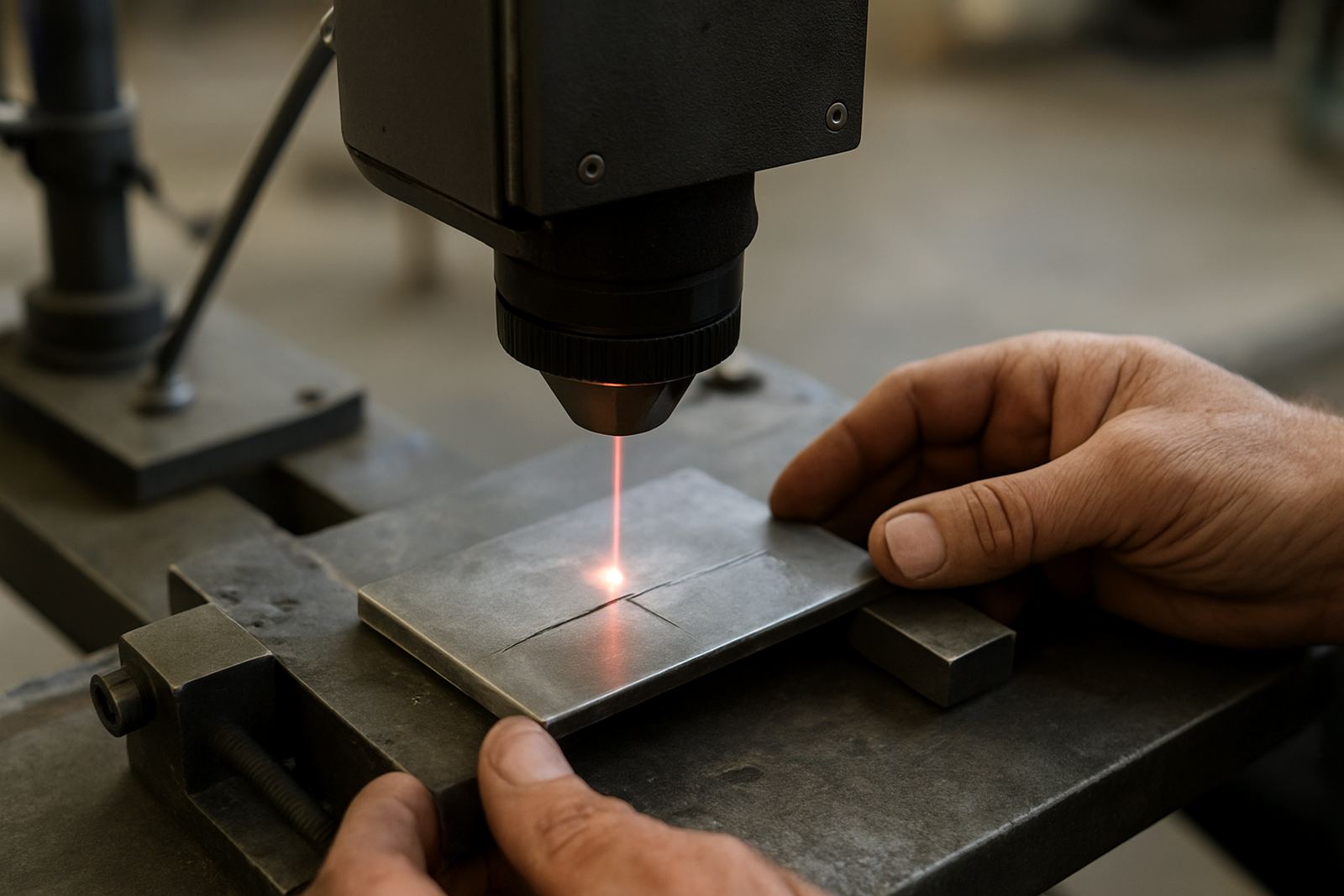
- Precision laser build-up in small increments
- Cooling control and dimensional check
- Final machining, grinding or fit check by the client or their machinist
Typical Sizes, Tolerances And Material Types
We work on small precision items through to larger workshop components, provided the part can be handled safely and positioned correctly. Laser welding is well suited to fine restoration because it allows local build-up with a narrow heat-affected zone. That helps protect nearby features such as keyways, threads, sealing lands and adjacent machined surfaces.
Material mix matters. Stainless steel, carbon steel, tool steel and aluminium each behave differently under heat, so the restoration method must suit the material not just the damage. For coastal customers, especially those in Durban, Richards Bay and Gqeberha, corrosion exposure often means we are rebuilding worn areas that have also suffered pitting. In those cases, surface prep and final protection matter as much as the weld deposit.
- Fine restoration for small precision components
- Controlled build-up on edges and faces
- Low-distortion work for tight fit parts
- Suitable for many common industrial metals
- Practical for one-off jobs and batch repairs
When Part Restoration Makes More Sense Than Replacement
Replacement is not always the quickest or most sensible option. If the item is expensive, custom made or tied to a machine with long downtime, restoration can save time and money. It is also useful when only one area has failed, while the rest of the part remains in good condition. In many plants, that means less waiting for imports and less disruption when load-shedding or transport delays already slow things down.
We often restore parts for maintenance teams that need a practical turnaround, not just a nice finish. A repaired component should fit back into the assembly, run without binding and hold up under normal service. If a part is likely to wear again in the same spot, we can discuss what to watch and when to inspect it. That helps prevent repeat failure and keeps maintenance predictable.
- Shorter downtime than waiting for replacement parts
- Useful for obsolete or hard-to-source items
- Helps recover parts with high original machining value
- Reduces scrap on serviceable components
Turnaround Across Centurion, Pretoria And Nationwide
Turnaround depends on the size of the part, the amount of damage and whether any finishing work is needed after welding. Simple restorations can move quickly once the part is in the workshop and approved. More involved jobs, especially those needing careful build-up and dimensional recovery, take longer because we do not rush the cooling or inspection stages. It is better to spend an extra day on a critical part than send it out out of tolerance.
Clients can deliver to our Centurion workshop, use Pretoria East support, arrange Midrand collections or send parts by courier from anywhere in South Africa. For busy production sites in Rosslyn, Jet Park and surrounding industrial areas, we also handle batch jobs so repairs can be planned around shutdowns or maintenance windows. If a job is urgent, tell us the machine stop date and the needed in-service date from the start.
Pricing Approach And Maintenance Intervals
Pricing is based on the part condition, material type, size, access, amount of build-up required and whether finishing or repeat work is needed. We quote on the actual repair, not on a one-size-fits-all rate. That keeps the cost fair for simple restoration work and honest for more difficult parts that need extra prep or close control.
For maintenance, the right interval depends on duty cycle, vibration, load and exposure. A part working in a dry indoor plant may only need inspection at scheduled shutdowns, while equipment near the coast or in dirty environments may need earlier checks. As a practical guide, many clients inspect restored wear surfaces every 3 to 6 months on heavily used plant, then again at the next service cycle. If the part carries alignment or sealing duties, regular measurement is worth the effort because small wear can turn into a bigger problem fast.
- Quoted on damage, material and complexity
- Batch pricing available for repeat items
- Inspection intervals depend on duty and environment
- Earlier checks recommended for high wear or coastal use
Key facts
| Typical repair size | Small precision parts to larger workshop components |
|---|---|
| Material types | Stainless steel, carbon steel, tool steel, aluminium |
| Heat input | Low, localised laser welding for reduced distortion |
| Service scope | Build back worn or damaged areas on serviceable parts |
| Areas served | Centurion, Pretoria, Midrand, Rosslyn, Jet Park and nationwide |
| Contact | Our contact form |