What Edge Build Up Covers
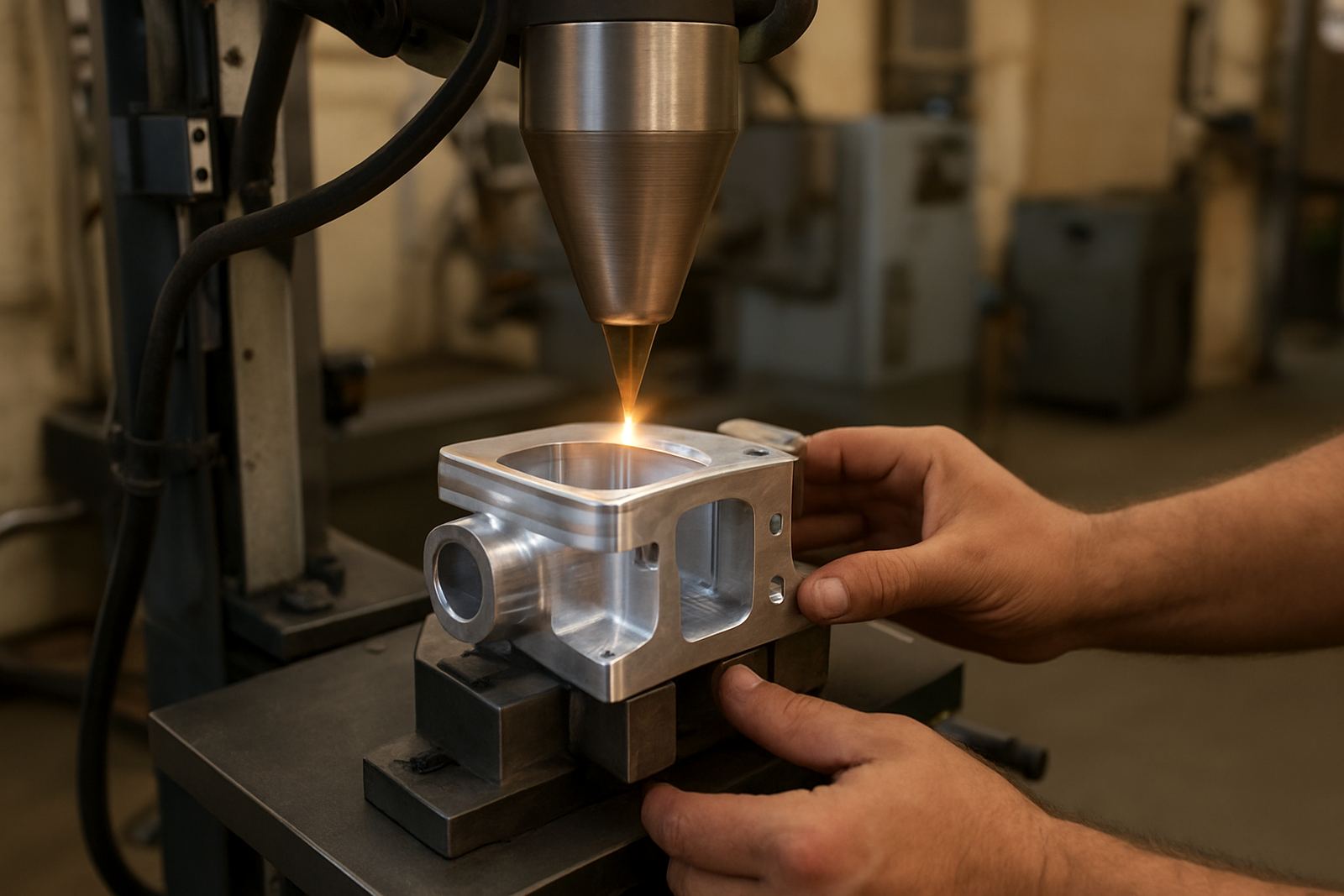
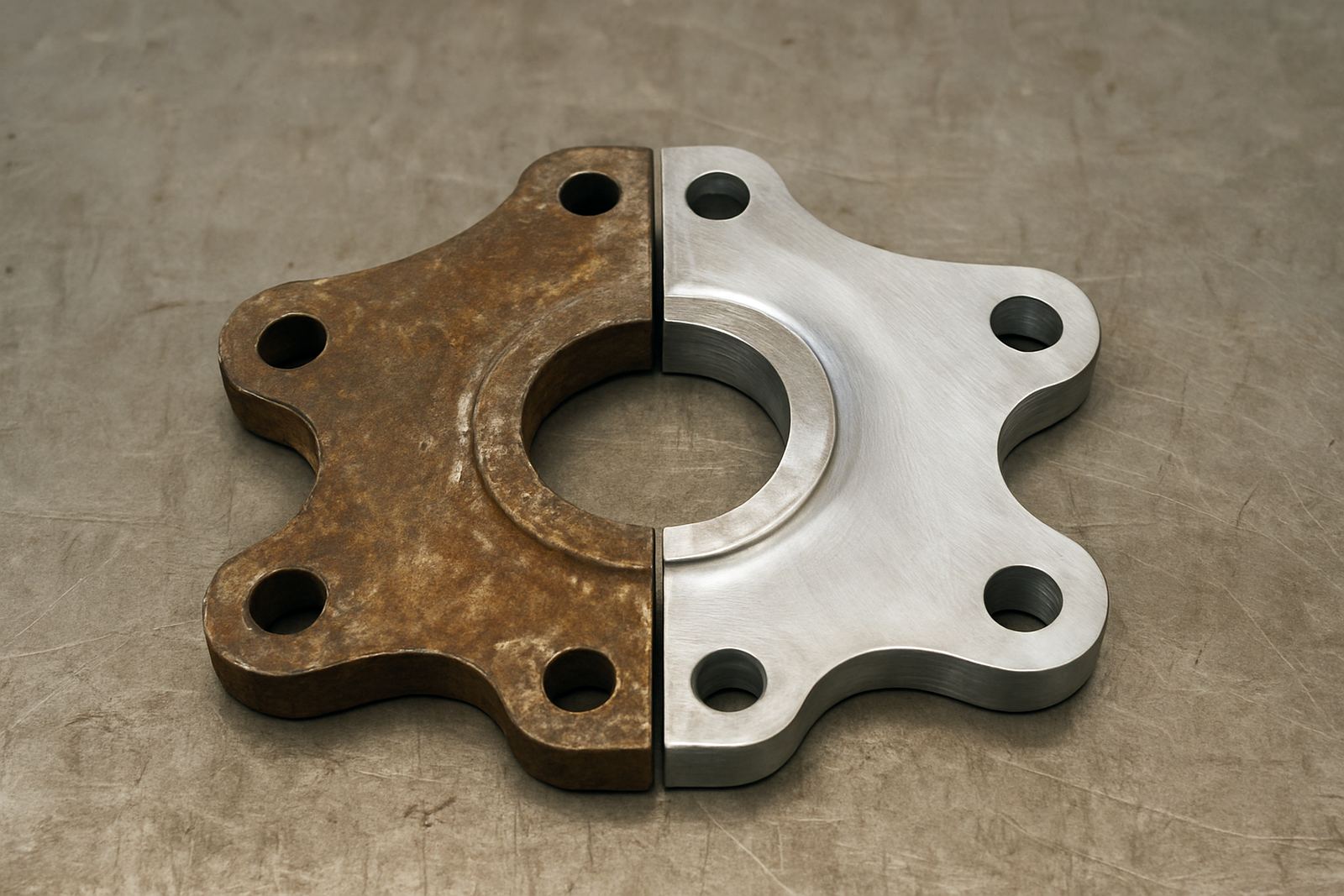
Edge build up is used when a part has lost metal on a working edge, guide face or corner. We add controlled material to the worn area, then leave it ready for the next machining step or for direct service where the finish allows. This is common on moulds, dies, jigs, housings, brackets, wear lips and small precision parts that have seen rubbing, impact or repeated clamping.
The method is well suited to Pretoria, Midrand and Rosslyn work where turnaround matters and replacement parts can take time to source. It also helps with parts that have only a localised area of wear, so there is no need to scrap a full component when the rest of it is still sound.
- Restores worn corners, edges and sealing lines
- Supports remachining back to size
- Can reduce replacement cost on hard to source parts
- Useful for small parts and larger batch repair work
How We Handle the Repair
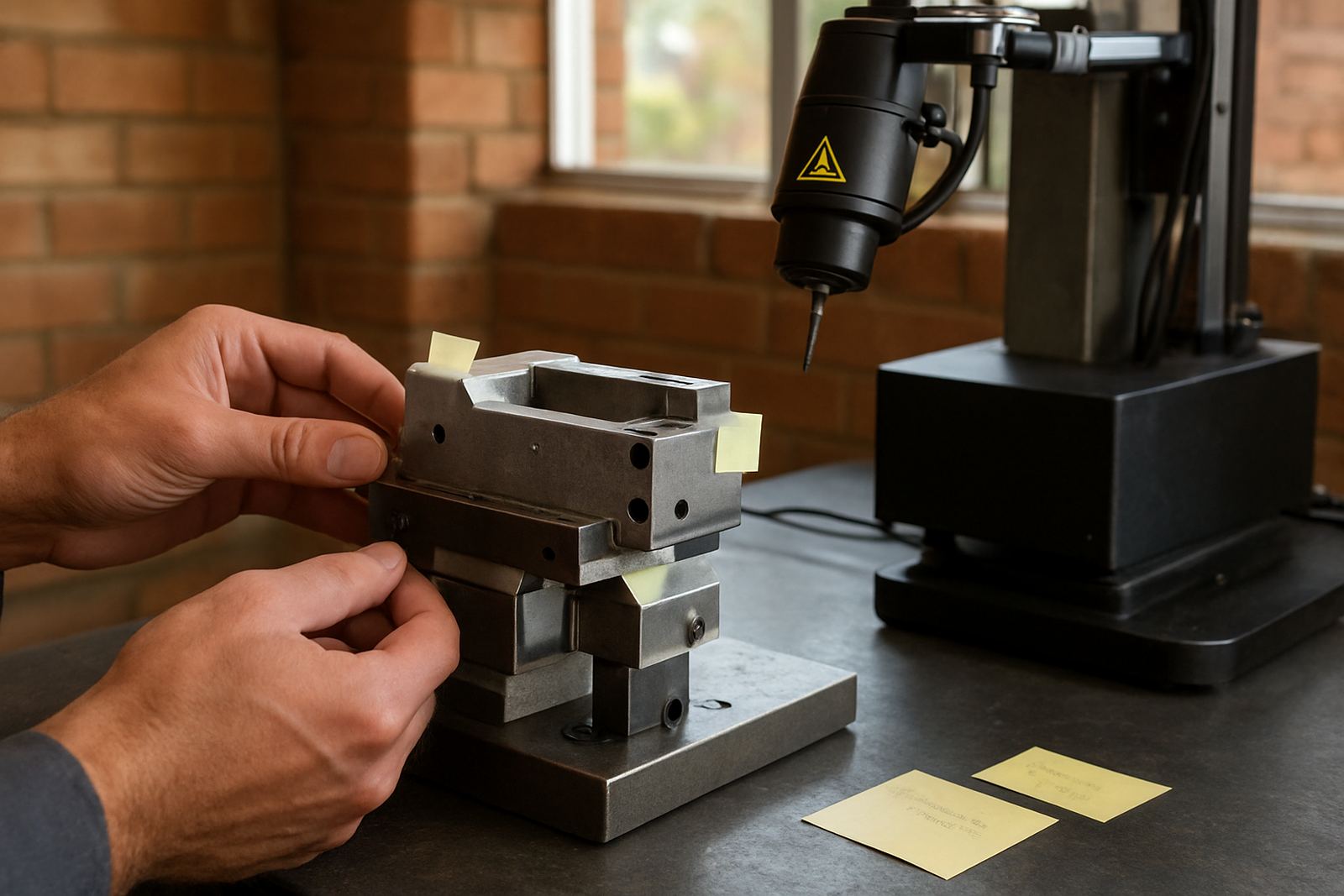
Every job starts with an inspection so we can confirm the worn section, the parent material and the amount of build up needed. We check for cracks, distortion, contamination and previous repair work. If the part is oily, plated, work hardened or heat affected we note that before welding starts because it changes how the edge takes material.
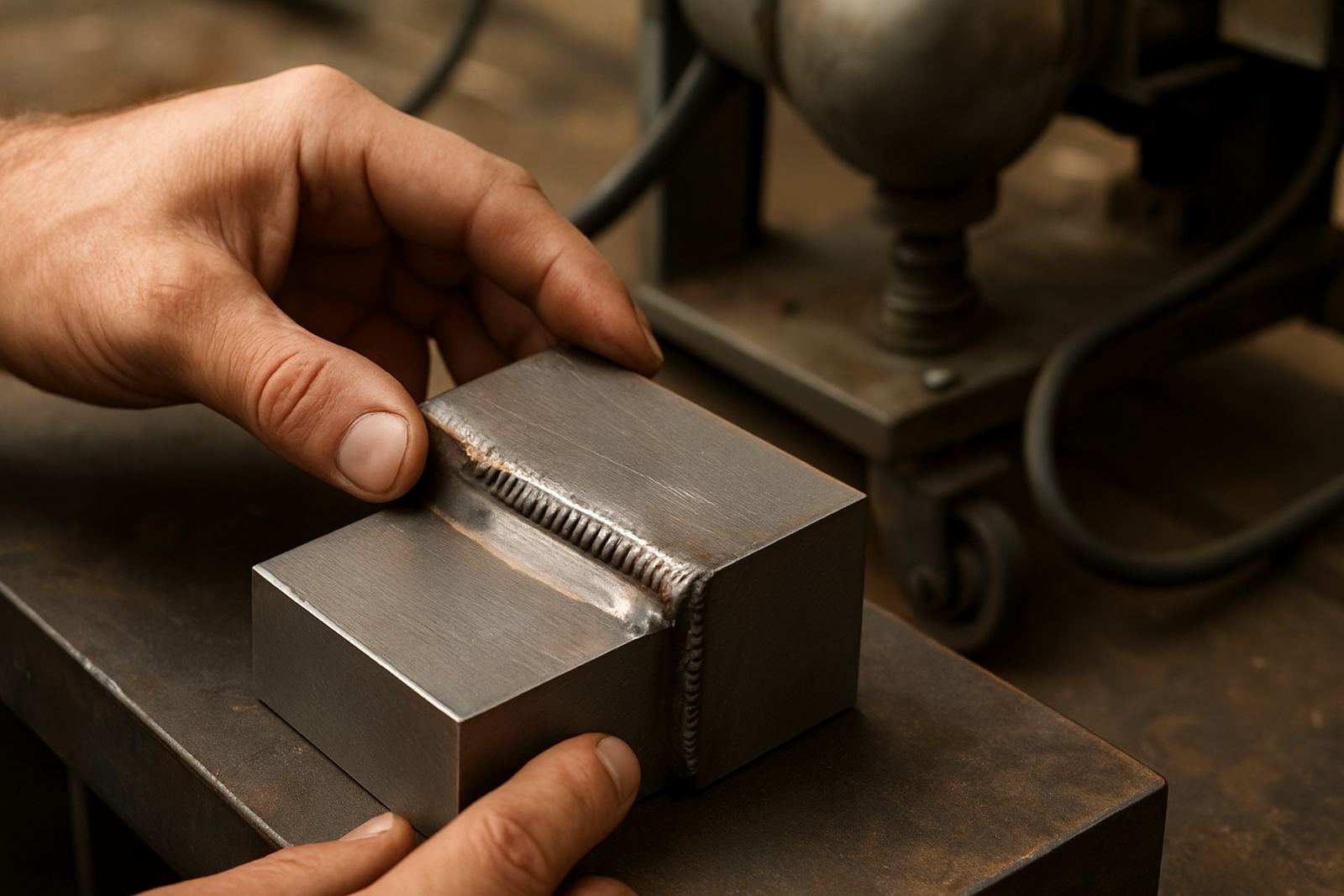
After cleaning and preparation, the technician builds the edge in controlled passes. The weld is kept tight and local so the part does not take unnecessary heat. That matters on thin section components, machined faces and parts with close tolerances. Once the build up is complete, we can leave a machining allowance for your own workshop or for our finishing arrangement where needed.
- Inspection and measurement of wear
- Surface prep, degreasing and defect check
- Controlled laser build up in layers
- Final check for height, alignment and finish
Typical Part Sizes and Material Limits
We handle small precision pieces through to heavier jobshop work, provided the area to be built up is practical for laser repair. The process is especially useful where the worn section is only a few millimetres deep but needs clean recovery. In many cases we can work from fine edge touch ups of less than 1 mm right up to larger rebuilds of several millimetres, depending on the part and the material.
Common materials include tool steel, stainless steel, mild steel, selected aluminium parts and mixed workshop components that have seen service wear. For parts with thin walls or sharp detail, laser welding gives a smaller heat affected zone than conventional repair methods. That helps keep straightness, corner form and nearby features in better shape.
- Fine build up for local edge wear
- Larger rebuilds where the wall section allows
- Suitable for precision parts, moulds and dies
- Useful on parts that need a low distortion repair
Turnaround for Centurion and Nationwide Jobs
Turnaround depends on size, material, condition and whether the part must be machined after welding. Small edge repairs can often be moved through quickly, while larger or more detailed parts need more measurement and checking. For jobshop work in Centurion, Pretoria East and Midrand collections, we can usually process urgent items faster than couriered work from farther afield.
For nationwide clients, couriered parts are assessed on arrival and you receive a clear plan before work begins. If the job is time critical we will say so upfront. During load shedding and other workshop interruptions, we plan the sequence of jobs carefully so parts already in process are protected and not left half finished. That keeps delays down and avoids unnecessary rework.
- Urgent small repairs can often be prioritised
- Batch work is scheduled for efficient handling
- Courier jobs are booked in and checked on receipt
- Progress updates available from our Centurion base
Pricing Approach and What Affects Cost
Pricing is based on the amount of material required, the length of the edge, the material type, the condition of the part and whether final machining is needed. A straight edge on a clean component is quicker than a damaged corner with cracking or contamination, so we quote according to the real repair work rather than a one size fits all rate.
For many jobs, the most economical option is to repair only the worn section and leave the rest of the part alone. This is often better value than replacement, especially on small runs, imported parts or older equipment where lead times can stretch. We can quote from samples, photos and measurements, then confirm once the part is in hand if there is any change.
- Quoted by repair extent, not just part type
- Cost varies with material and finish requirement
- Batch pricing available for multiple parts
- Final machining or grind finishing priced separately where needed
Service Intervals and When to Rework
There is no fixed interval for edge build up because wear depends on how hard the part works. In a light duty setting, an item may run for a long time before any visible loss of edge appears. In higher wear settings, especially where clamping, abrasion or impact is involved, inspection should be part of planned maintenance. Waiting too long can let the wear move into the main body of the component and then the repair becomes more involved.
We normally advise clients to check parts when they notice burr formation, edge rounding, lost fit, seal leakage or changes in alignment. If a part has been repaired before, it is worth monitoring it a little more closely the next time. That is especially true in humid coastal conditions or dusty industrial sites where corrosion and surface damage can creep in faster than expected.
- Inspect during planned maintenance shutdowns
- Rework when edges round off or fit changes
- Do not wait for cracks to spread into the body
- Record previous repairs for better future planning
Key facts
| Build-up range | Fine local repair from under 1 mm to larger rebuilds, subject to material and part condition |
|---|---|
| Typical tolerance support | Suitable for parts that need remachining back to size after repair |
| Heat input | Low, localised heat input to help limit distortion |
| Materials | Tool steel, stainless steel, mild steel, selected aluminium and mixed workshop parts |
| Work types | Single items, repeat repairs and batch jobshop work |
| Service area | Centurion base with Pretoria, Midrand, Rosslyn, Jet Park and nationwide courier jobs |