When Aluminium Parts Need Repair Instead of Replacement
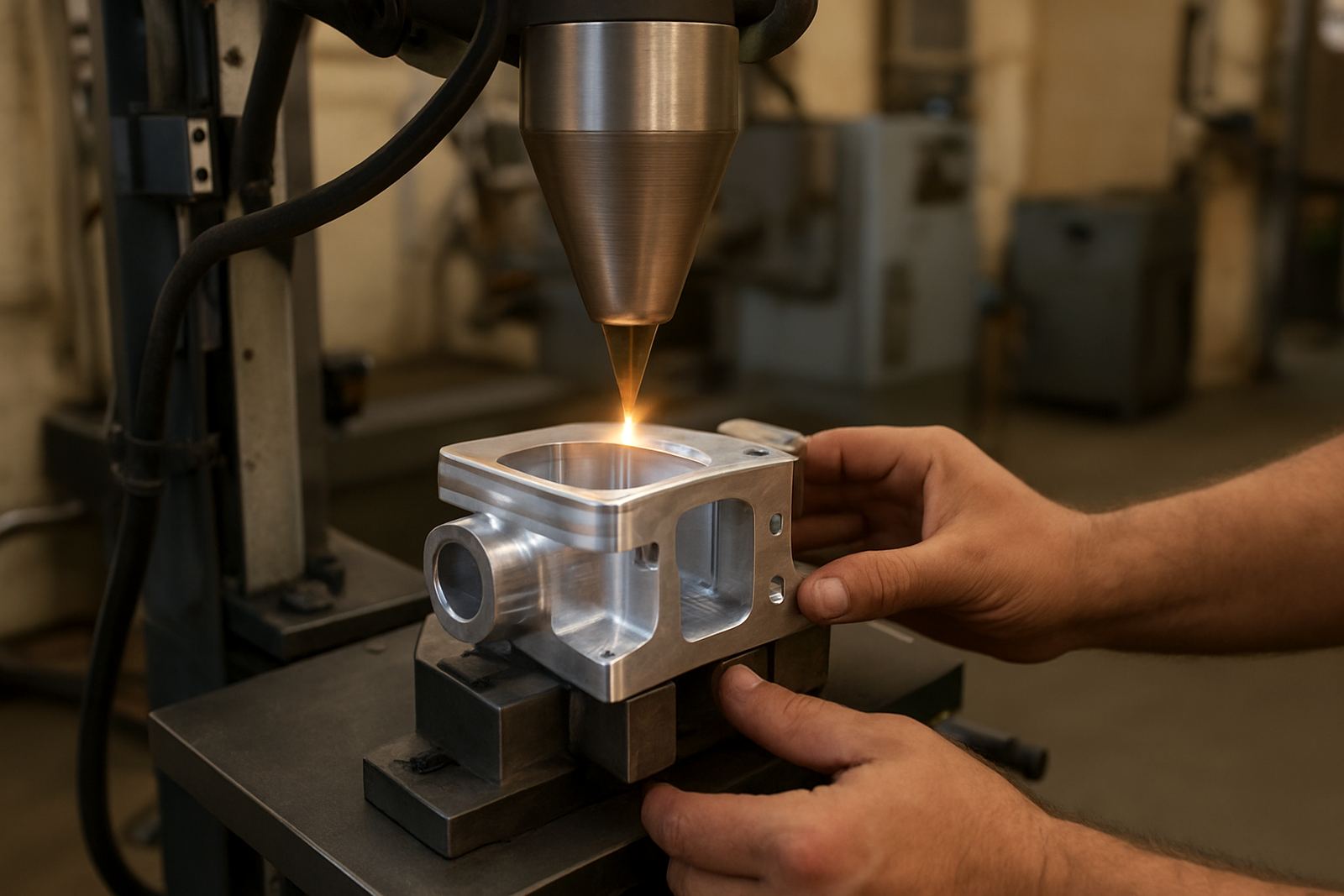
Aluminium is used because it is light, workable and corrosion resistant, but once a part cracks, wears thin or breaks at an edge, replacement can be costly and slow. We repair components that still have sound structure and measurable value, including cast housings, machine covers, flanges, brackets, guards and machined parts with local damage. The aim is to restore the usable section without distorting the part or changing key dimensions. On many jobs, that means repairing a 2 mm to 8 mm wall section, rebuilding a worn corner or closing a crack before it spreads. If the part can be clamped securely and cleaned properly, there is usually a repair route worth considering.
- Cracks on cast and machined aluminium
- Broken corners, tabs and mounting points
- Worn edges, slots and sealing faces
- Local porosity, chipped sections and impact damage
What the Aluminium Repair Service Includes
Our aluminium repair work is set up for precision parts that need controlled heat and careful finishing. We assess the damage, remove contamination, prepare the repair area and build the missing material in a way that suits the component and its service conditions. Depending on the job, the repair may include crack stopping, edge build up, hole closure, thread area recovery, surface restoration and final dressing for machining or refitting. We also work on parts that have been affected by previous poor repairs, where old filler metal or heavy grinding has weakened the area. For technical items, we pay close attention to wall thickness, heat input and any nearby features such as bores, seals or mating faces. That keeps the part usable and helps avoid rework.
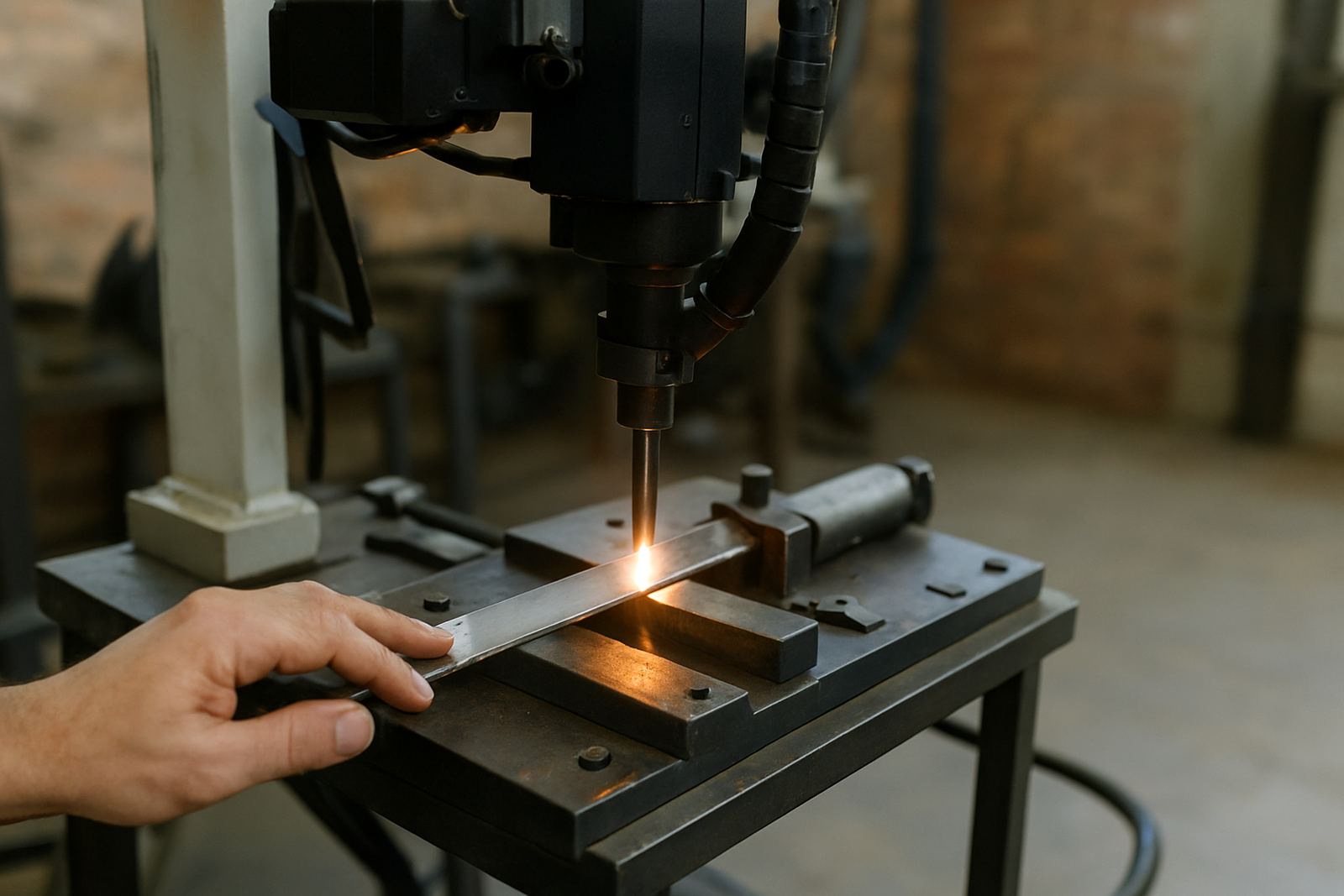
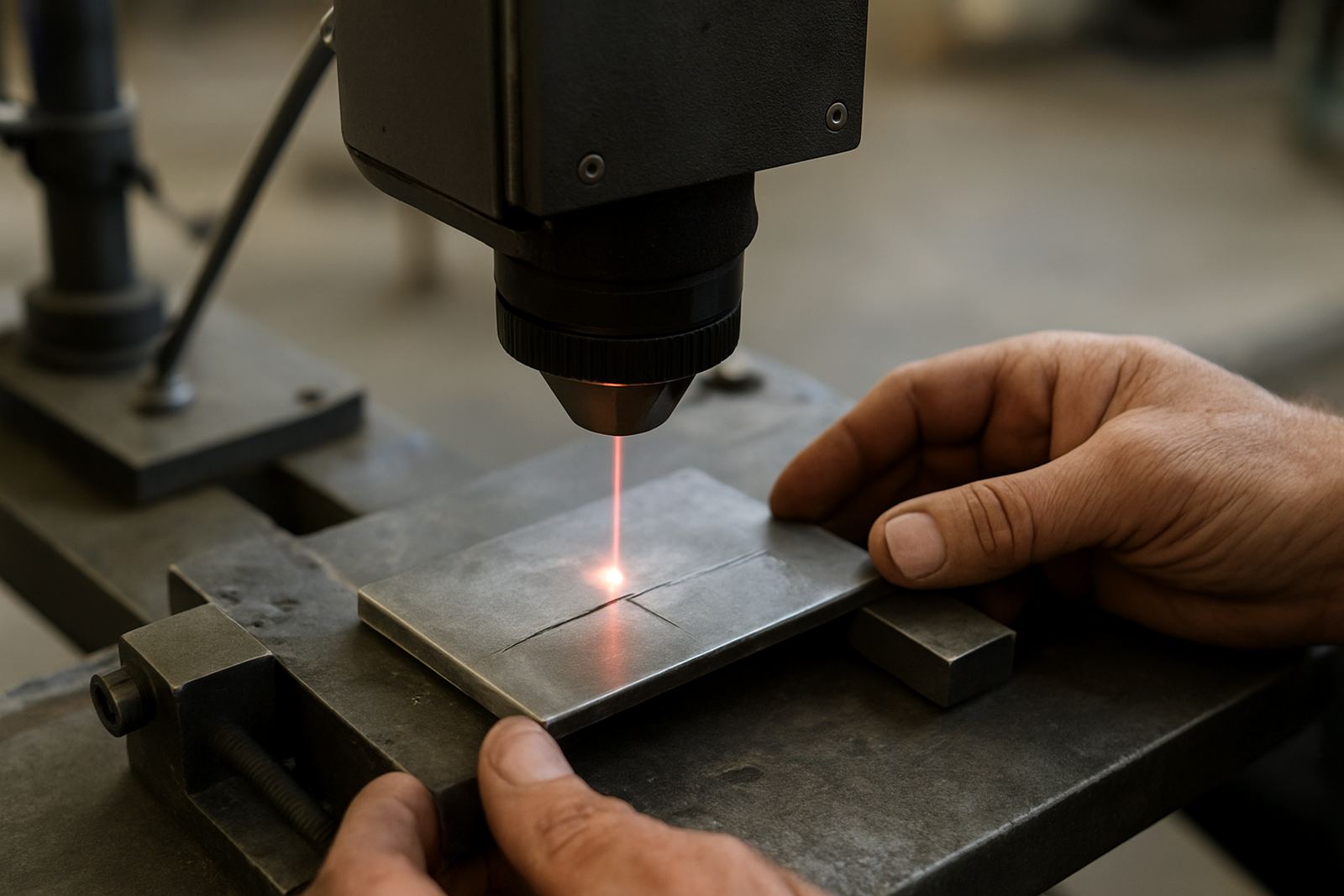
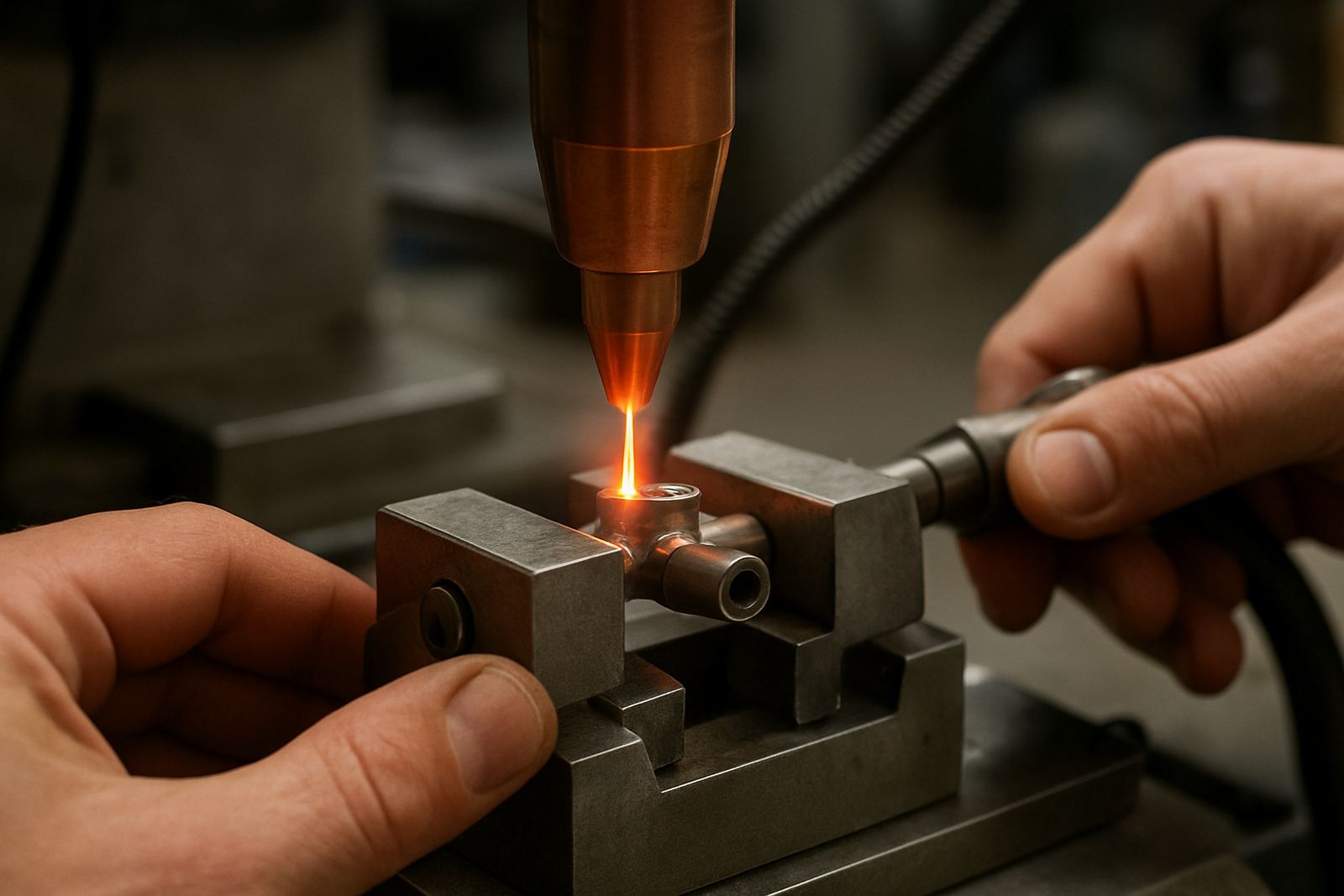
- Precision laser welding of aluminium components
- Crack repair and stop drilling where suitable
- Edge build up for worn or broken sections
- Pre-machining repair for follow-on finishing
- Inspection of fit-up, distortion risk and repair limits
How We Handle the Repair from Assessment to Finish
Every job starts with an inspection in the workshop or by photo and measurements if the item is being couriered in. We confirm the alloy type where possible, the extent of the damage and whether the part is repairable to the required tolerance. Before welding, the part is degreased and prepared so that oxide and contamination do not compromise the weld. The repair itself is then carried out in controlled passes, with cooling periods built in where needed to prevent heat build-up. Once the weld is complete, we dress the area and check the dimensions against the original part or supplied drawing. For more sensitive components, we can leave extra material for final machining by your side. This process is especially useful on parts that have to refit with seals, bolts or bearing surfaces, becuse even small distortion can cause problems later.
- Initial inspection and repair feasibility check
- Cleaning, oxide removal and joint preparation
- Controlled welding with limited heat input
- Post-weld dressing and dimensional checks
Typical Turnaround for Aluminium Jobs
Turnaround depends on part size, wall thickness, contamination and whether machining follows the weld. Small crack repairs and local build-ups can often be turned around quickly if the part is delivered early in the day and the repair is straightforward. More complex jobs, such as castings with multiple damaged areas or parts that need staged cooling and repeat inspection, take longer. For clients in Pretoria, Centurion and Midrand, workshop drop-off can help reduce waiting time. For nationwide work, we receive couriered parts from manufacturing sites and maintenance teams across South Africa. If a job is urgent, tell us the machine downtime or project deadline up front so we can plan the sequence properly. We do not promise impossible same-day outcomes on every part, but we do keep the process practical and clear from the start.
- Fast assessment for in-house drop-offs
- Courier jobs accepted nationwide
- Priority handling for downtime-related repairs
- Lead times depend on complexity and finishing requirements
Pricing Approach for Aluminium Repairs
We price aluminium repairs according to the real work involved, not a flat guess. The main factors are part condition, alloy type if known, size of the repair, access, amount of preparation needed and whether final machining is required afterwards. A small local crack repair on a cover will cost far less than rebuilding a broken casting lug or restoring a part with repeated porosity. If the job can be done without excessive prep and without extra jigs or heat control measures, the cost stays lower. For batch work, we can quote per part or per repair zone depending on volume. Where possible, we ask for photos, dimensions and a clear note on the failure so we can give a realistic Rand estimate before the part arrives. That helps avoid surprises and wasted transport.
- Quoted by damage, access and finishing requirement
- Batch pricing available for repeated repair work
- Quotes can be based on photos and measurements
- Cost is lower when final machining is not required
Repair Specs, Service Life and Maintenance Checks
Aluminium repairs should be checked regularly, especially on vibrating equipment, coastal installations and parts exposed to thermal cycling. As a general guide, inspect repaired items every 3 to 6 months on high-use plant, and at every scheduled shutdown on critical components. In humid or coastal conditions, keep an eye on surface corrosion, fastener looseness and any fresh marks around the repaired zone. We recommend cleaning the part before inspection and checking for new hairline cracks at stress points, bolt holes and corners. If the item sees repeated load or impact, a preventative repair before full failure is usually cheaper than a major rebuild. For many clients, that means a simple maintenance note on the repair area and one quick visual check during planned service intervals. Small issues caught early are easier to fix and usually keep downtime low.
- Inspection interval: every 3 to 6 months on heavy-use parts
- Check again at each shutdown on critical plant
- Look for new cracks, loosening and distortion
- Suitable for coastal, industrial and high-vibration service conditions
Key facts
| Repair type | Precision aluminium welding and build-up |
|---|---|
| Typical parts | Castings, covers, machined components, brackets and housings |
| Wall thickness range | Commonly 2 mm to 8 mm and thicker sections by assessment |
| Service area | Centurion, Pretoria, Midrand and nationwide courier jobs |
| Finish options | As-welded, dressed for fit-up, or left for final machining |
| Quote basis | Damage extent, access, preparation, alloy condition and finishing needs |