Mould And Die Repairs For Toolroom Parts
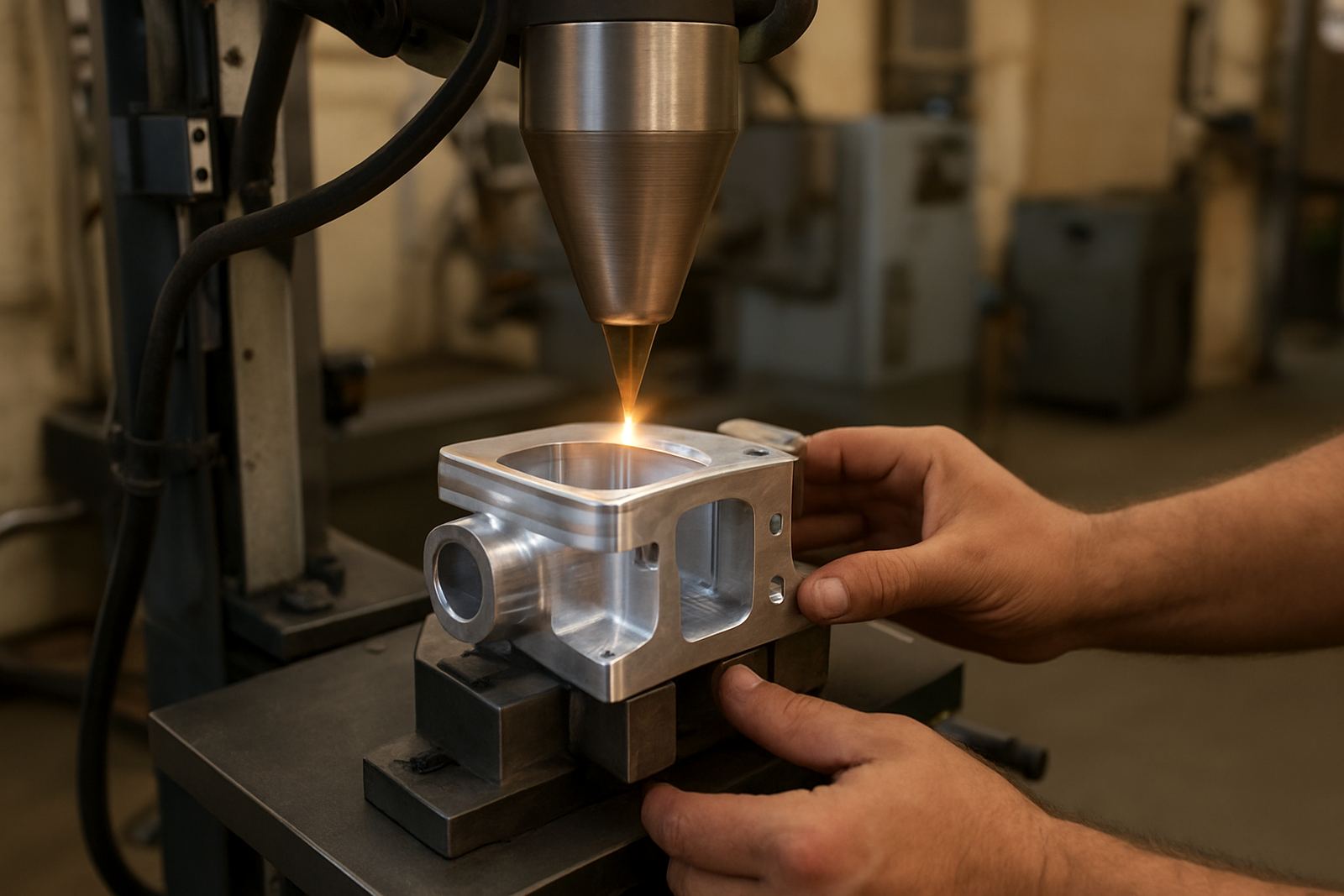
Our mould and die service is focused on restoring working surfaces, edges, vents, corners and worn detail on precision tooling. We repair mould inserts, die faces, punch seating areas, locating features and small toolroom components where heat control and dimensional accuracy matter. This is suited to parts that are costly to replace, have long lead times, or need a local fix to get production moving again.
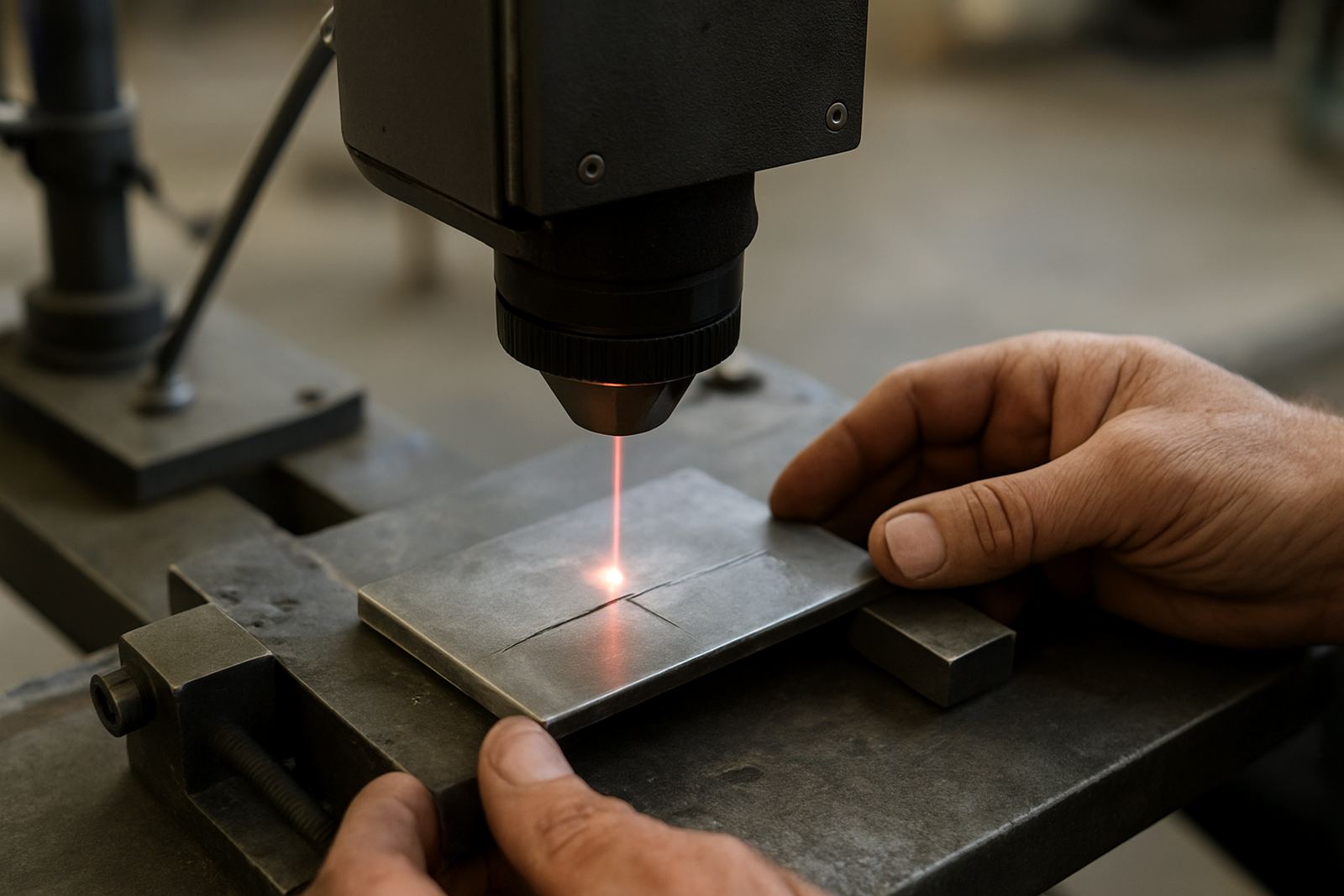
Typical work includes crack repair, edge build up, corner reinstatement, pitting correction and wear recovery on hardened and semi-hardened components. We handle small detailed parts and larger assemblies by section, with the aim of keeping the original geometry intact. If a component has been damaged by wear, handling, flash, corrosion or repeated stripping, we assess whether repair is practical before any welding starts.
- Mould inserts and cavity detail
- Dies, punches and toolroom fixtures
- Wear edges, guide points and seating faces
- Localised build-up on damaged or undersized areas
What The Service Includes On Each Job
Each job is assessed on the material type, the amount of wear, the finish required and whether the part will be machined, spark eroded or hand finished after welding. We work on carbon steel, tool steel, stainless tool parts and selected non-ferrous components where the repair can be controlled safely. In some cases pre-heating or post-weld stress relief is considered, especially for heavier sections or brittle tooling.
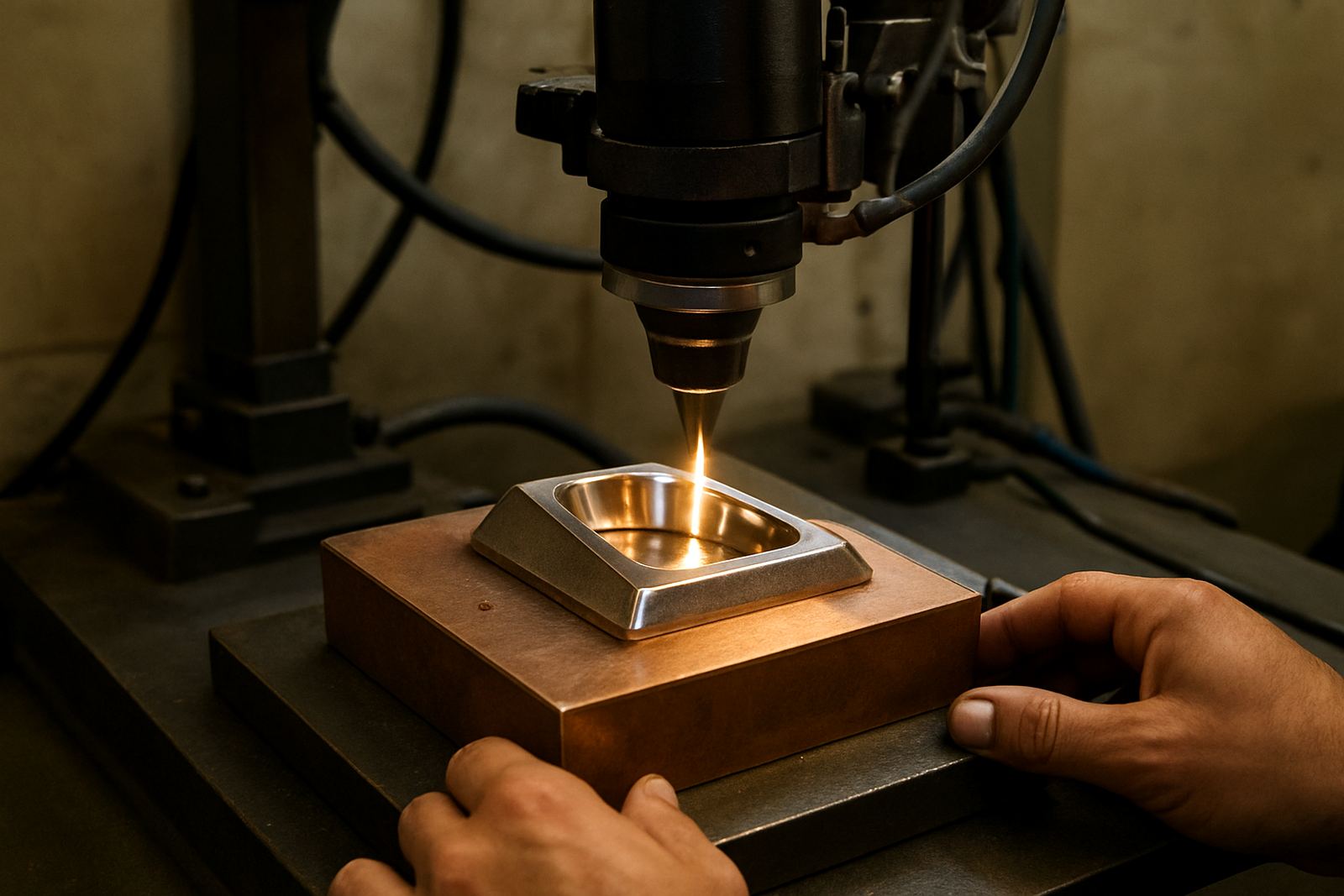
We can repair fine detail without flooding the whole part with heat, which helps reduce distortion. That matters on close-tolerance mould inserts and dies where a few hundredths of a millimetre can affect fit or function. For complex parts, we mark out the repair zone and work in short passes so the surrounding surfaces stay stable.
- Detailed inspection before welding
- Laser build-up in small controlled passes
- Material matching where possible
- Post-weld clean-up guidance for machining or polishing
Our Repair Process From Assessment To Finish
Most mould and die work follows a clear sequence. First we inspect the component, confirm the damage and determine whether the part should be welded, rebuilt or left as is. We then clean the surface properly so oil, oxide, scale and release agent do not contaminate the repair. After that, the welding is done in a controlled way with the smallest practical heat affected zone.
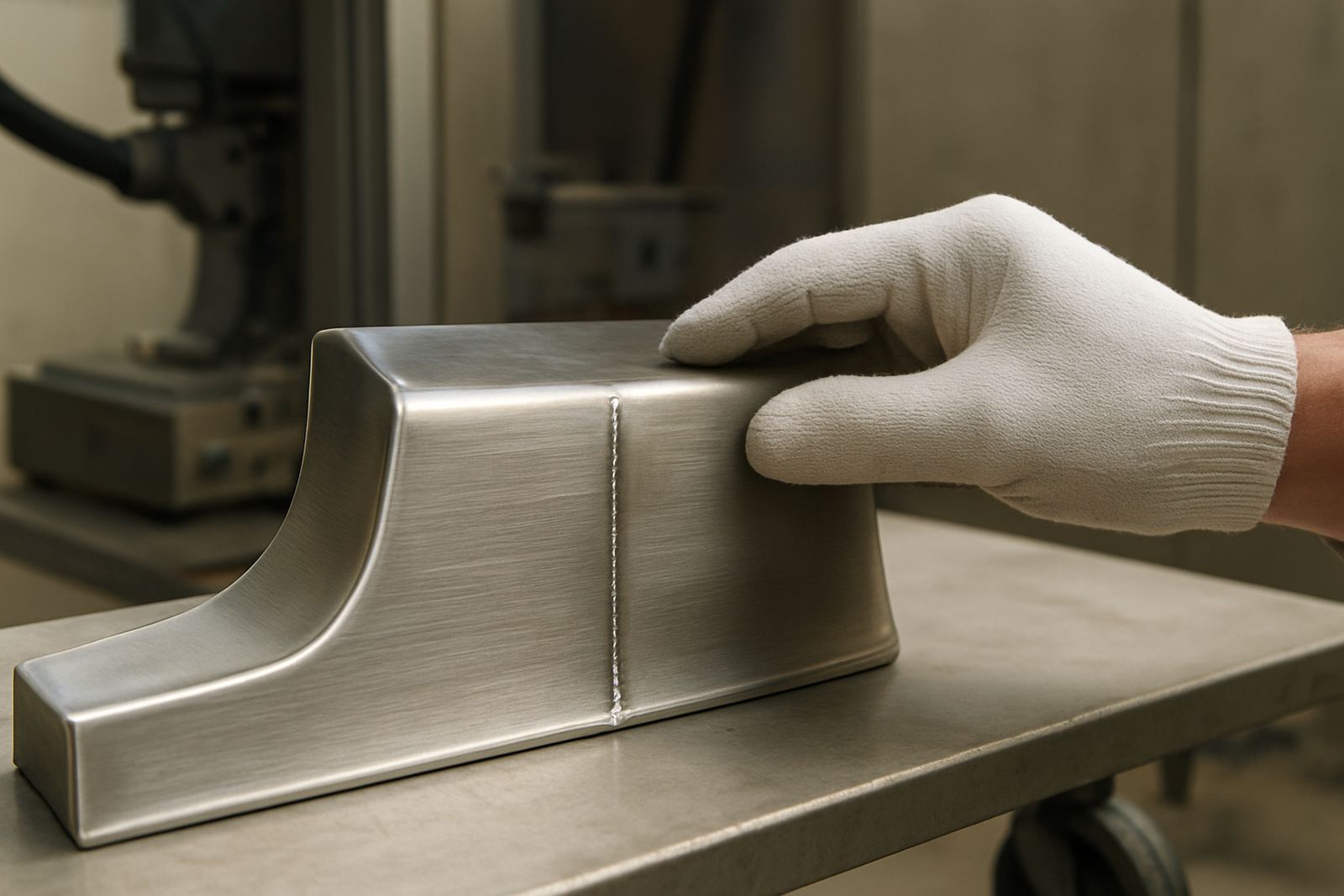
Once the repair is complete, the part is checked again for profile, edge integrity and obvious distortion. If a customer needs a near-finished surface, we will discuss whether additional machining or polishing is needed after welding. For parts going back into production, we can work to a drawing, a sample, or an undamaged matching part.
- Step 1: Send photos, measurements or the damaged part for assessment
- Step 2: Confirm repair scope, material and turnaround
- Step 3: Weld the affected area with controlled build-up
- Step 4: Final inspection and handover for finishing or refitting
Typical Specs And Tolerance Expectations
Mould and die repair is not about pouring on weld and hoping for the best. We work to the repair requirement and the finishing method that will follow. For many precision components, the goal is to restore material close enough for machining or EDM finishing without excess grinding. That means keeping the repair neat, compact and predictable.
As a guide, we regularly handle components from small inserts under 50 mm to larger tool sections well over 300 mm, depending on access and mass. On fine repair work, we aim for build-up that can be finished back to the needed profile with minimal extra removal. The actual tolerance achieved depends on the parent material, the damage and the final machining step, but close-control repairs are a normal part of this work.
- Small inserts, die sections and toolroom parts
- Localised repair zones rather than full-face welding
- Suitable for parts that need final machining after repair
- Heat control important for thin or hardened sections
Pricing Approach For One-Off And Batch Repairs
Our pricing is based on the actual condition of the part, the amount of repair material needed, access to the damaged area and whether the work is a one-off emergency or a scheduled batch. We do not price mould and die work as a simple flat rate because two parts that look similar can need very different levels of preparation. A clean crack on a small insert is not the same as rebuilding a worn edge on a hardened die block.
Where possible, we quote from clear photos, measurements and a description of the function of the part. If the item must be physically inspected first, we can arrange delivery to Centurion or collection through our nationwide courier jobs. For repeat maintenance items, many clients prefer to keep a standing job file so similar repairs can be quoted faster next time.
- Quoted according to damage, material and finishing needs
- Emergency work priced separately from scheduled jobs
- Batch repair rates available for repeated items
- Courier and collection options for out-of-town clients
Maintenance Intervals That Help Prevent Repeat Damage
Regular checks save money on moulds and dies. We usually recommend inspection intervals based on duty cycle, material flow, press hours and whether the tooling is running in a dusty, humid or high-volume environment. High-use tooling may need visual checks every 1 to 2 weeks, while less frequent production tools can often be checked at service intervals or after a set number of cycles.
Good maintenance is not only about welding after failure. It also includes cleaning, correct storage, avoiding impact damage and monitoring wear before it becomes a crack or breakage. In Pretoria and on sites around Midrand, Rosslyn and Jet Park, we often see the same issues repeated because parts are left unprotected between runs. A simple inspection routine can stop that.
- Inspect for edge wear, pitting and hairline cracks
- Keep tooling clean and dry after use
- Store repaired parts with rust protection where needed
- Bring parts in early when the first signs of wear show
Key facts
| Service area | Centurion, Pretoria, Gauteng and nationwide courier jobs |
|---|---|
| Typical component size | Small inserts up to larger tool sections over 300 mm |
| Repair types | Crack repair, edge build up, wear recovery, part restoration |
| Materials | Tool steel, carbon steel, stainless tool parts and selected non-ferrous parts |
| Finish readiness | Suitable for machining, polishing or EDM finishing after repair |
| Turnaround | Fast on small jobs, planned scheduling for larger or batch work |