Which parts are suitable for laser welding?
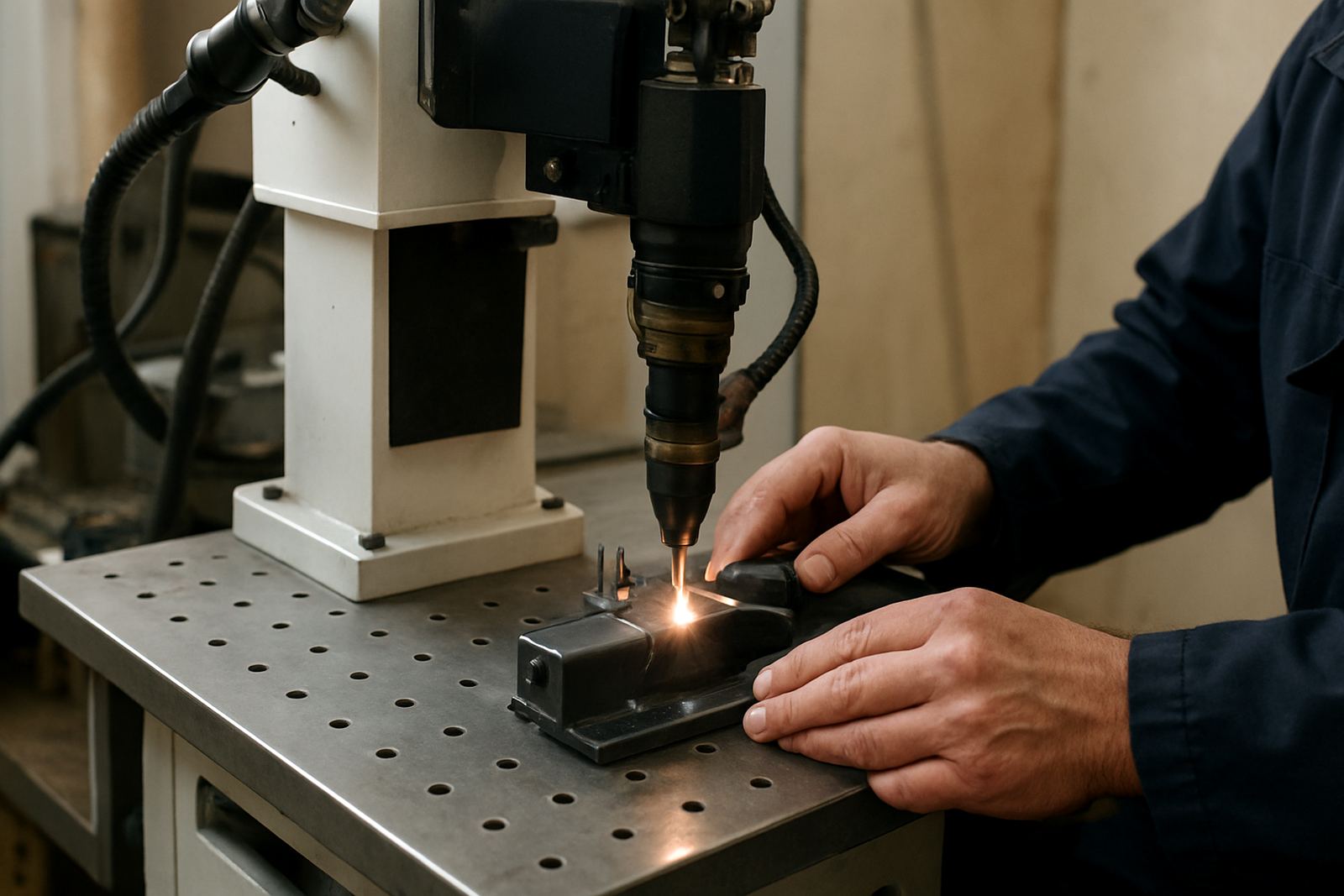
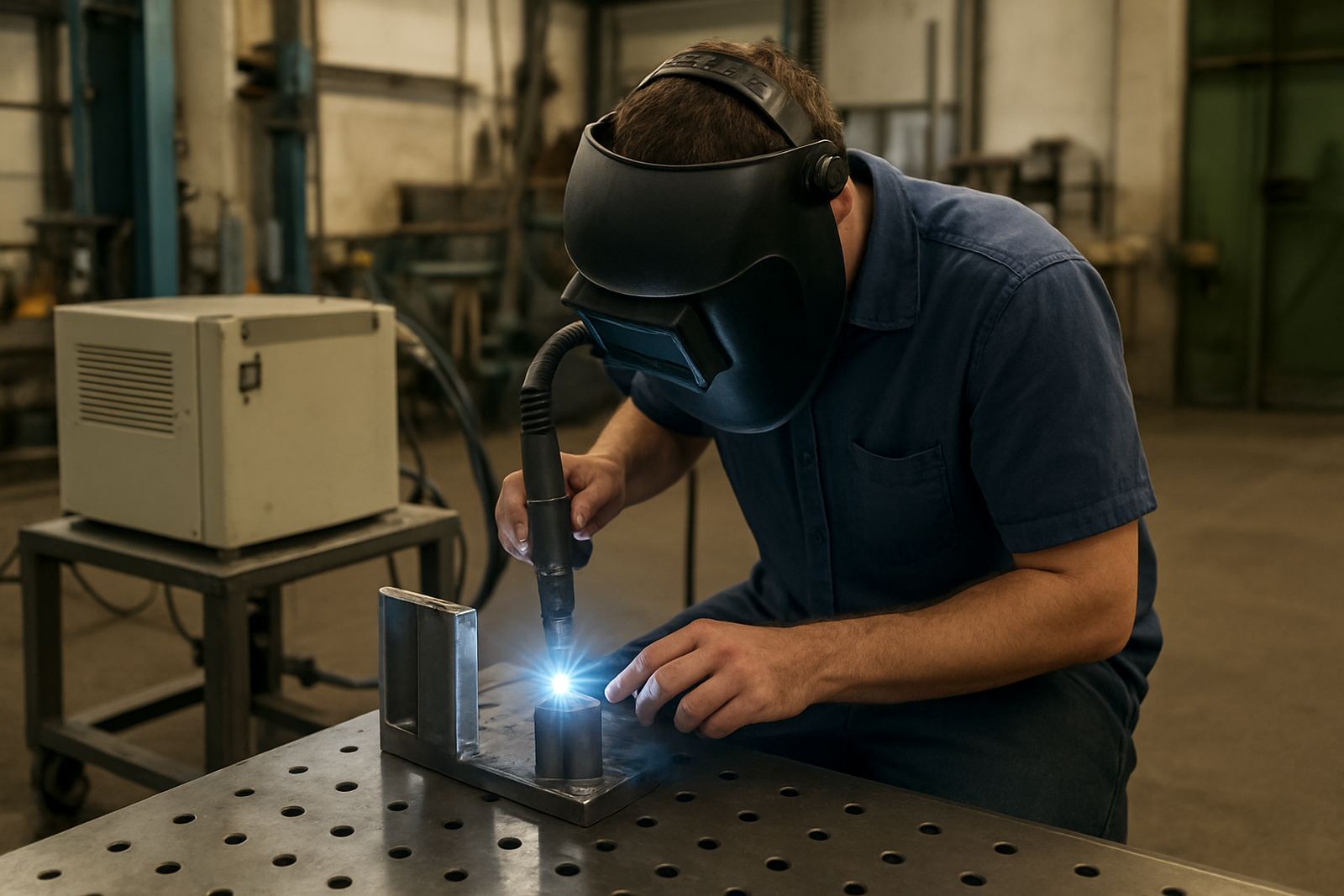
Laser welding is best for small to medium parts where heat control matters. It works well on worn edges, cracked sections, fine tooling, mould inserts, precision assemblies and parts that cannot take heavy grinding or distortion. If the area is thin, narrow or close to another finished surface, laser welding is often the safer option.
We check the part first and confirm whether the damage is localised or if the whole component has moved out of tolerance. If the crack runs through a highly loaded section, or if the part has been over machined before, we will advise on the repair method before any work starts.
- Good candidates: dies, mould parts, shafts, housings, tooling, clips and precision brackets
- Common repair types: cracks, chipped corners, worn edges and build-up before re-machining
- Less suitable: badly bent parts, severe corrosion loss, or items with major structural failure
How do I know the alloy before sending a part?
If you know the material, send that detail with the job. Stainless, mild steel, tool steel and aluminium each need a different approach, and the more information we have the better. If you are unsure, we can assess the part from images, drawings, old job cards or an on-site sample drop-off in Centurion, Pretoria East or Midrand.
Where needed, we identify the material by appearance, weight, spark behaviour from earlier work history, and the way the part has worn. For mixed or uncertain alloys, we will flag any risks before welding. That saves time and avoids the wrong filler choice or a repair that later opens up again.
- Send photos of both sides of the part if possible
- Include dimensions, thickness and where the wear is happening
- Tell us if the part sits in heat, water, chemicals or coastal humidity
What lead times can I expect?
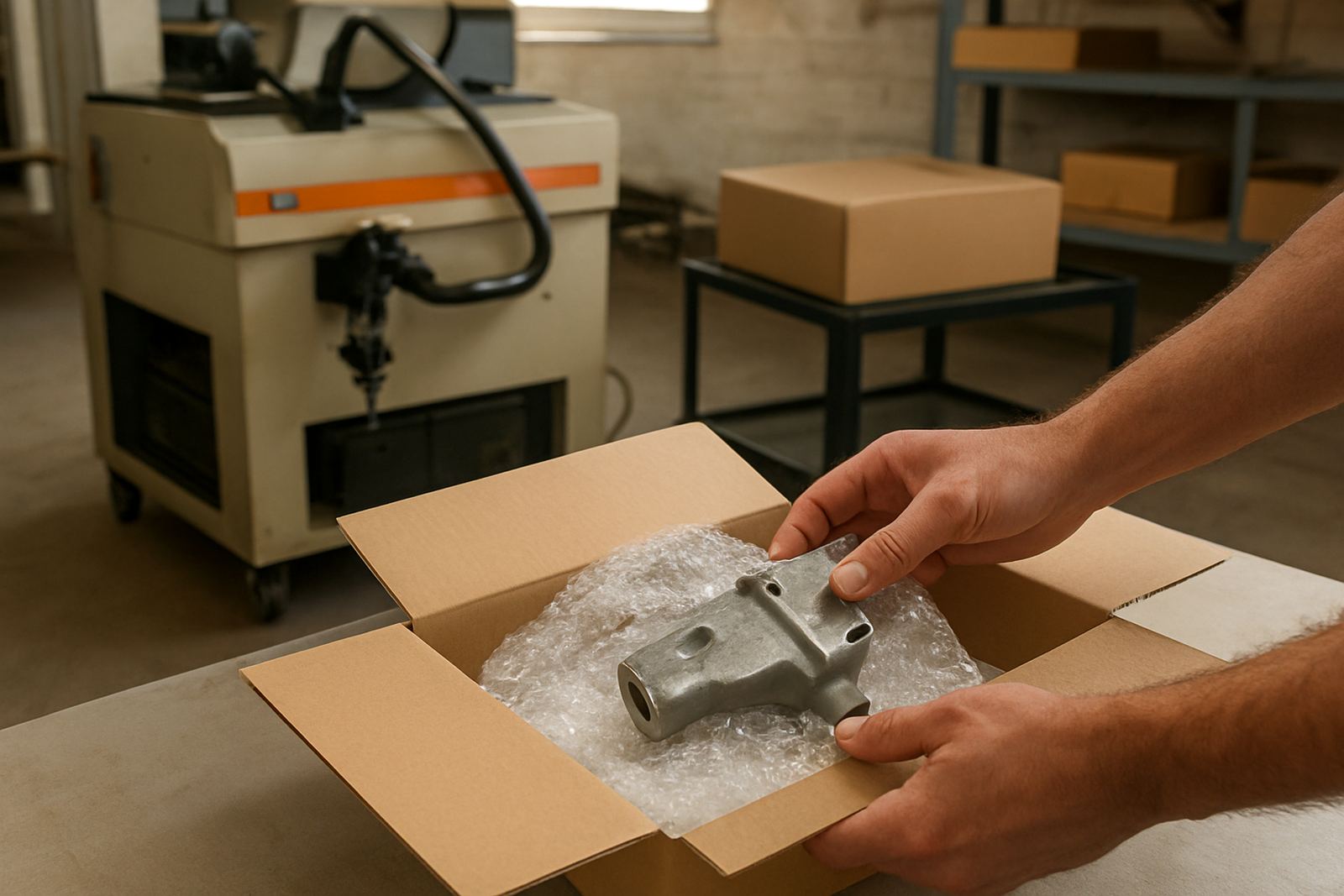
Lead time depends on complexity, quantity and whether the part needs preparation, welding and re-machining. Small crack repairs can move quickly, while batch jobshop work, mould and die build-up or parts needing precision matching will take longer. We work from Centurion and handle courier jobs nationwide, so urgent repairs can often be planned around collection and return delivery.
For many one-off items, we can confirm a rough turnaround after the part has been inspected. If it is a repeat item, send the previous job reference or a sample and we can usually shorten the assessment stage. Load-shedding, courier cut-offs and municipal access times can all affect timing, so we build that into the plan rather than promise an unreal schedule.
- Same-day or next-day assessments may be possible on simple items
- Repeat batch work is quicker when drawings or a sample are supplied
- Courier collections should be booked early for Pretoria, Johannesburg and longer routes
Can cracked or worn parts be repaired instead of replaced?
Yes, many parts can be repaired if the damage has not gone too far into the base material. Crack repair, edge build-up and part restoration are often practical when the item is expensive, discontinued or difficult to source. A good repair can extend service life and keep production moving while you wait for replacement stock.
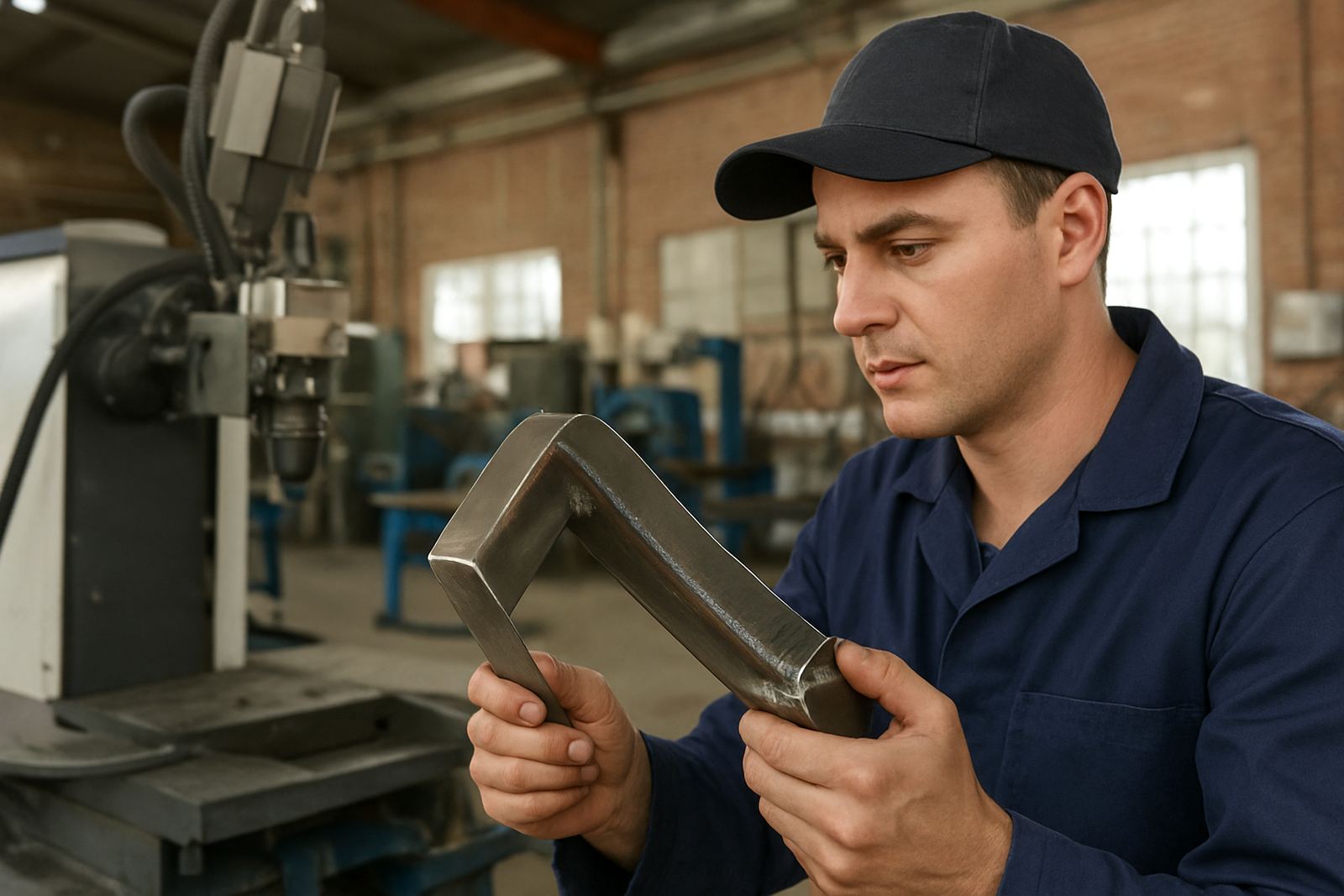
We first check the crack length, the depth of wear and whether the part still holds its shape. If the item needs to carry load, seal under pressure or hold a tight alignment, we will say so plainly. In some cases the repair is suitable but must be followed by machining or inspection before it goes back into service. That part is often overlooked and then the job fails again.
What should I send with my enquiry?
A clear enquiry speeds up the answer and helps us give you the right advice. If you are sending from Rosslyn, Jet Park, Pretoria East or farther afield, include as much of the following as you can. Even one missing dimension can change the repair method.
- Photos showing the damage close up and from a wider angle
- Material type if known, plus thickness or section size
- Quantity, urgency and whether the job is a one-off or batch
- Any drawings, tolerances or machining notes
- Collection and delivery address if you need courier support
If the part is oily, contaminated or recently removed from a machine, let us know before sending it. That helps us plan cleaning and handling, especially on aluminium and stainless parts where surface condition matters a lot.
When is laser welding the better choice than other repairs?
Laser welding is often the better choice when precision matters more than brute force. It is useful on thin sections, detailed components and repairs that must stay close to the original dimensions. Because the heat is focused, there is usually less distortion and less cleanup, which can save time on finishing.
That said, not every repair should be laser welded. Heavy structural damage, large gaps or parts that have lost too much material may need another approach first. We work through the options with you and explain where laser welding will help, where it may not, and what the sensible next step is.
- Good for tight tolerances and fine surface detail
- Useful where colour change, warping or excessive heat must be reduced
- Best when the repair area is localised and still structurally sound