Common metals we weld every week
Our workshop in Centurion regularly handles stainless steel, mild steel, tool steel, aluminium and select non-ferrous parts used in factories, workshops and maintenance depots. We also work on mixed material repairs where the parent metal is still serviceable but needs localised build-up, crack repair or edge restoration.
Each metal behaves differently under heat, so we match the laser settings and filler choice to the material, section thickness and the condition of the part. That matters on precision items where too much heat can distort a sealing face, a thread, or a mating edge.
- Stainless steel parts used in food, medical and general industrial applications
- Mild steel brackets, housings, frames and worn edges
- Tool steel mould inserts, punches, dies and cutting components
- Aluminium covers, cast parts and light fabrication items
- Non-ferrous precision pieces where distortion must be kept low
Part types we accept for repair and restoration
We are set up for small, detailed items and larger batch jobshop work. That includes individual components from a maintenance team, prototype parts from an engineering office, and repeat items from production lines that need consistent results. If a part is still mechanically sound but has local wear, a laser weld can often return it to service without full replacement.
Typical parts include mould cavities, die corners, shaft ends, sensor mounts, worn locating points, sealing edges and broken lugs. We also handle parts that have been badly handled in stripping, cleaning or machining, as long as the base material can still be recovered. Sometimes the part looks worse than it is, and a clean prep is enough to save it.
- Mould and die components
- Precision machined parts
- Prototype pieces and one-off samples
- Production spares and repeat repair items
- Thin sections and delicate assemblies
How we check whether a metal can be laser welded
Before any work goes ahead, we check the metal type, the size of the damaged area, the thickness of the part and whether the component has already been heat damaged or cracked through. We also look for oil contamination, plating, rust, paint and old repair material that could affect the weld.
If the item is from coastal areas like Durban or Gqeberha, we often see extra corrosion or pitting from humidity and salt air. In those cases, prep is more important than usual. We may ask for clear photos first, or request the part for inspection at the Centurion workshop before confirming the repair route.
- Identify the base metal and any coatings
- Check crack depth, wear depth and edge loss
- Confirm if the part can be cleaned and prepped properly
- Review distortion risk for thin or finished parts
- Decide if repair, build-up or replacement is the best option
Materials we handle with extra care
Some metals need a slower, more controlled approach because they are thin, heat sensitive or already stressed from service. Aluminium can move quickly if the heat input is not managed correctly, while thin stainless can discolour or pull if the repair is rushed. Cast parts and older industrial components may also carry porosity or hidden fatigue that needs a careful touch.
We work with these materials on a case by case basis and will tell you upfront if a part needs more preparation, a test repair, or a different method. The aim is to give you a usable component with sound dimensional control, not just a weld bead that looks neat on the surface. That means honest feedback, not guesswork.
- Thin wall components with tight tolerances
- Cast sections with local porosity or cracks
- Heavily worn edges that need controlled build-up
- Parts with previous weld repairs that need rework
What to send with your part enquiry
Clear information helps us quote correctly and advise on turnaround time. If you are sending an item from Pretoria East, Midrand, Rosslyn or further afield, the same basics apply. We need the metal type if known, the fault location, the quantity, and whether the part must match an existing mating surface or finish.
Good photos save time and reduce back-and-forth. Include a ruler, coin or caliper in the image for scale if possible. If the part is urgently needed for a production stoppage or maintenance shutdown, tell us the deadline so we can assess the best way to move it through the shop.
- Send clear photos from several angles
- Note the metal type if you know it
- Specify quantity for batch repairs
- Share measurements and any critical tolerances
- Let us know if collection or courier is needed
Workshop support from Centurion to nationwide courier jobs
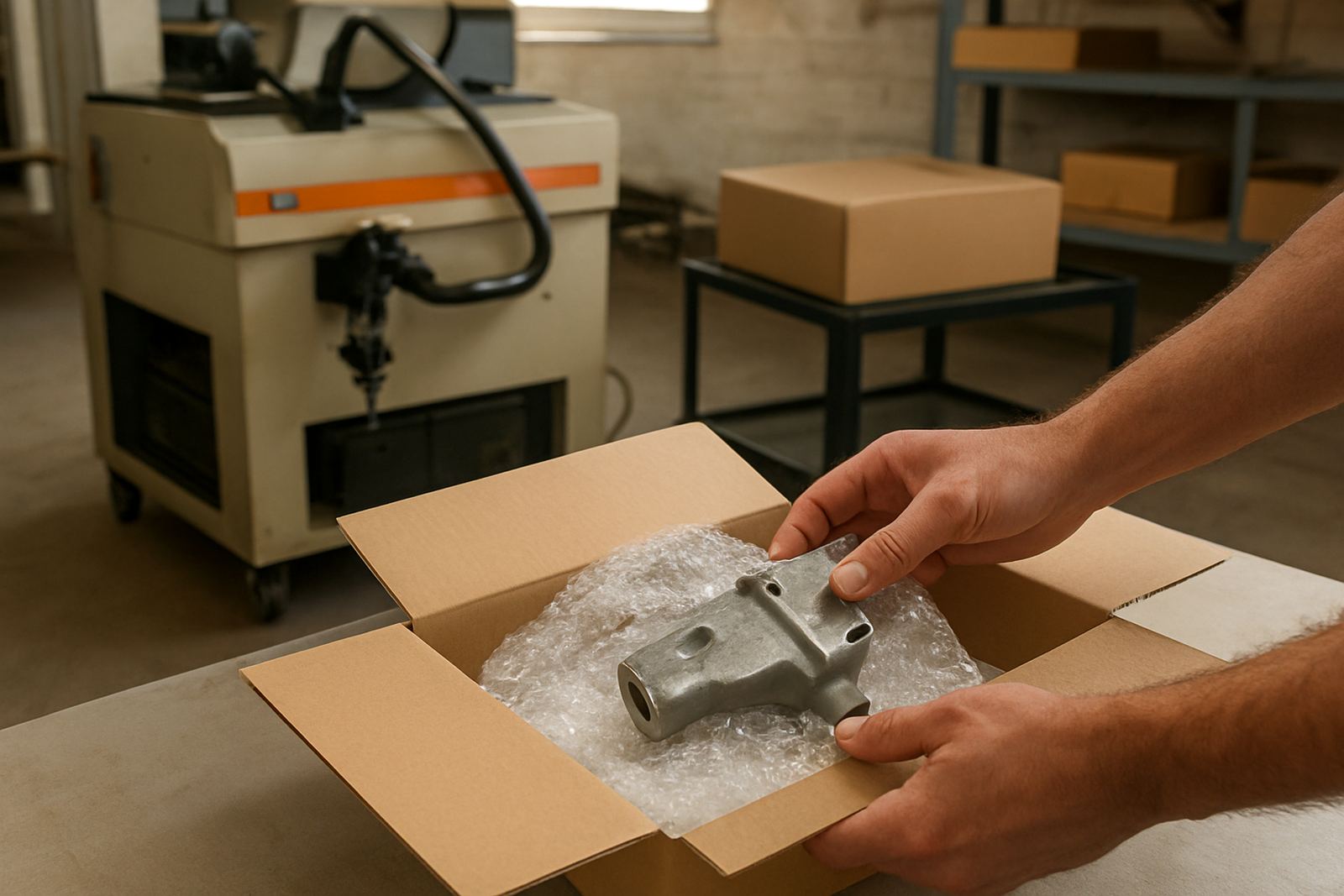
Our base in Centurion supports clients across Pretoria, Gauteng and the rest of South Africa. Parts can come in through collections, direct drop-off, or courier when the item is packed safely. For larger maintenance teams and manufacturers, we can plan repeat work so the same repair standards are used on every batch.
We understand local working conditions too, from load-shedding interruptions to the pressure of keeping a line running with minimum down time. If a repaired part must go back into service quickly, we will discuss the practical steps needed for prep, welding and return. The idea is simple: get the part back in working order and keep the process clear from start to finish.
- Centurion Workshop for assessment and repair
- Pretoria East Support for nearby clients
- Midrand Collections for convenient handovers
- Rosslyn Manufacturing and Jet Park service support
- Nationwide courier jobs for suitable parts